Eating in Yellowknife, From the Wildcat Cafe to a Great Slave Fish Fry
A guide's honest food tour of Yellowknife: the 1937 Wildcat Cafe, the famous Bullocks' fish fry, which lake fish to order, real prices, and the one lunch you catch yourself.
 By Thomas Beaulieu, Yellowknife tour guide & northern lights specialist
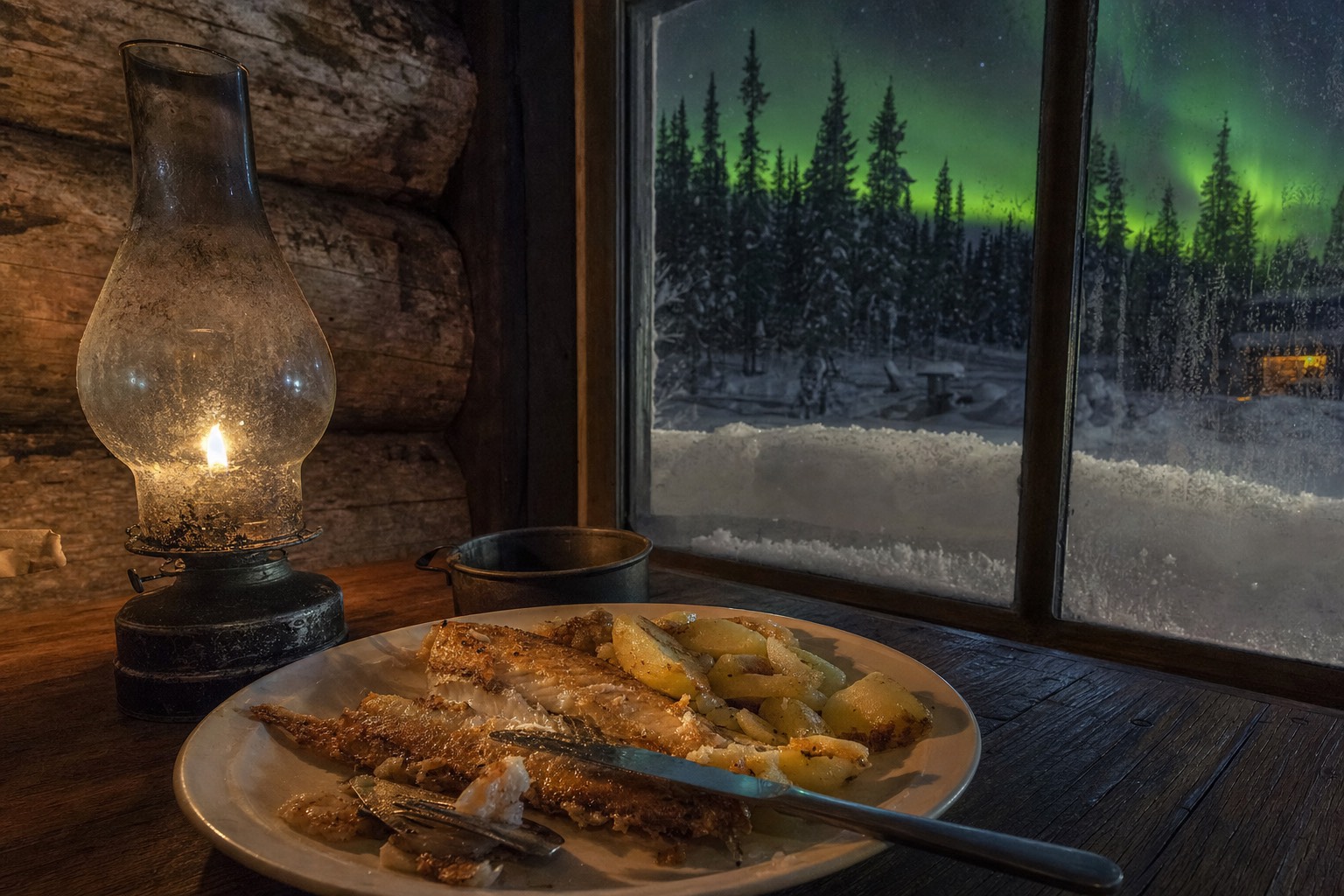
My food advice to guests fits in one sentence: order the fish, and sit somewhere old. Yellowknife is a town of 20,000 people at the end of a very long supply line, so nobody comes here for fine-dining variety. What we have instead is better, a couple of genuinely historic rooms, a lake full of trout and whitefish below the ice, and a food story that runs from a 1937 log cabin to a lunch you pull out of the water with your own cold hands.
Why does a log cabin from 1937 have a summer lineup?
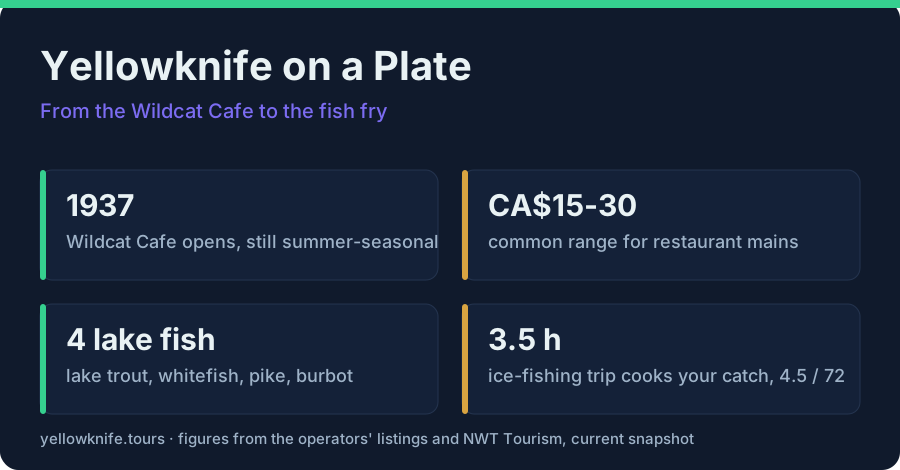
Because the Wildcat Cafe is the town's original restaurant, a low log cabin in Old Town serving since 1937, and it opens seasonally in summer. Eating there means sharing a room with the gold-rush era itself, which is why visitors and locals alike queue for it every year.
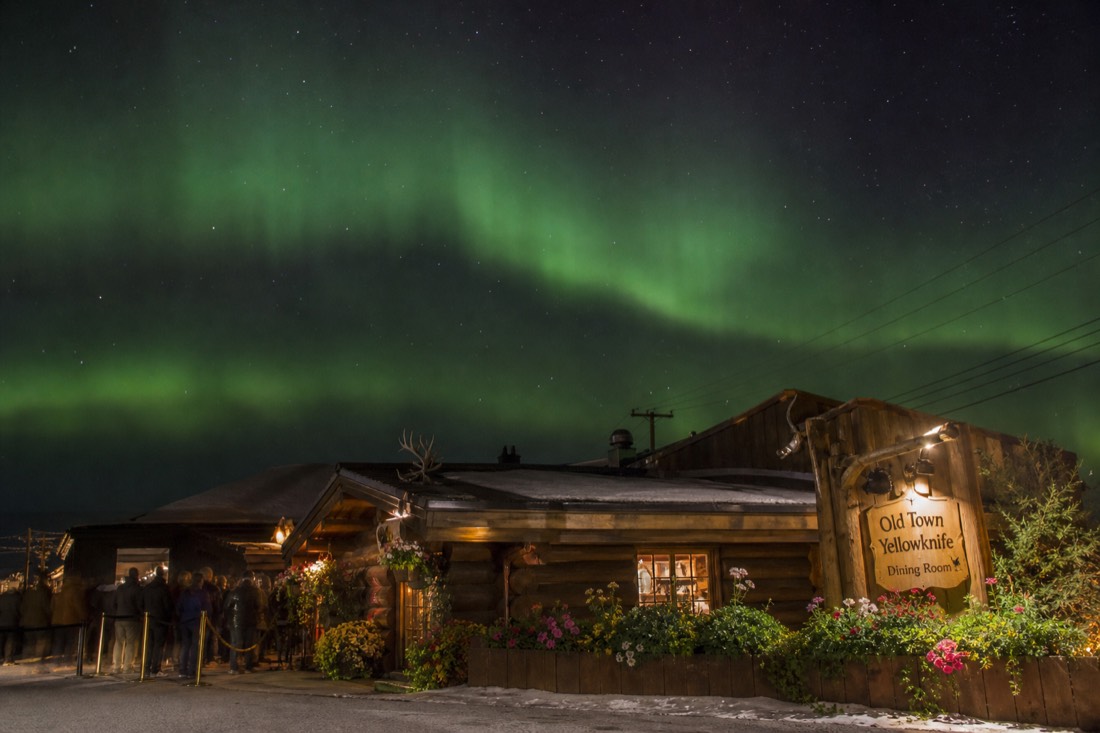
The cabin sits down in Old Town among the shacks and floatplane docks, and it looks exactly like what it is: a building from the first years of the gold camp, back when the town was young, roadless and hungry. The Wildcat Cafe's history has made it a genuine heritage landmark, and stepping through the low doorway is the cheapest time travel in the territory.
Two practical notes from someone who has walked disappointed guests past a locked door. First, it is seasonal: the Wildcat opens for the summer, so deep-winter visitors will find the cabin closed and photogenic under snow. Second, it is small, hence the lineup, so treat the wait as part of the experience. The tables are close, strangers become table-mates, and that is the point. Pair it with the walk I described in Old Town and the bush pilots, because the cafe belongs to that same story.
| Where to eat the North | What it is | When |
|---|---|---|
| Wildcat Cafe | Log-cabin original, serving since 1937, Old Town | Summer season only |
| Bullocks' Bistro | The famous Great Slave Lake fish fry | The classic year-round splurge |
| A heated hut on the lake | Ice-fishing tour lunch, your catch cooked on the ice | Winter, on tour |
What is the Bullocks' Bistro fish fry all about?
Bullocks' Bistro is the meal people fly home talking about: Great Slave Lake fish, fried in a loud, cluttered, marker-graffitied room where the cook works in plain view. It is not cheap and not quiet, and it is the single most recommended table in town for a reason.
Every town has one restaurant that becomes shorthand for the place, and Bullocks' is ours. The room is small and covered in decades of visitor signatures, the rules are posted with attitude, and the menu begins and ends with what the lake provides. You order the fish fry, you watch it hit the pan, and dinner arrives tasting like it was swimming recently, because it was.
My honest framing for guests: this is a splurge night, and worth it once. Yellowknife dining prices run high across the board, so if the budget allows one big meal, spend it where the fish is the whole show. Come early or expect a wait, and do not arrive in a hurry. The fish fry is an event with a meal attached.
Which lake fish will you actually find on menus?
Four names cover most of it: lake trout, whitefish, northern pike and burbot, all from Great Slave Lake, the deepest lake in North America at 614 metres. Lake trout and whitefish are the menu staples; pike and burbot are the ones anglers talk about.
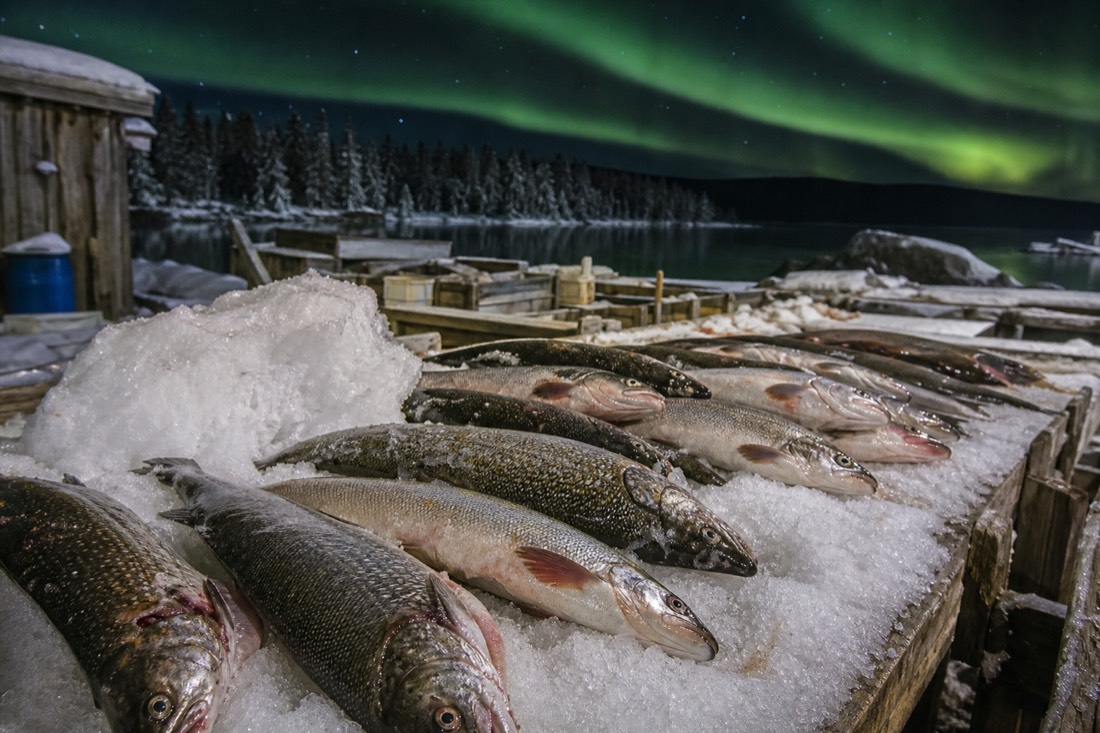
Knowing the fish makes ordering more fun, so here is the cast. Cold, deep, clean water is the whole secret: fish from 614 metres of subarctic lake taste like the lake they came from, and no supply-chain salmon can compete with a whitefish that came off the ice that week.
| Lake fish | What to expect on the plate |
|---|---|
| Lake trout | The headliner: rich, firm, the classic fish-fry star |
| Whitefish | Delicate and clean, the everyday staple of lake cooking |
| Northern pike | Lean and mild; the anglers' trophy that eats better than its reputation |
| Burbot | The lake's oddball, a freshwater cod; a local secret worth trying if offered |
If the fish itself is what pulls you north, the winter version of the story happens out on the ice, and I wrote about the whole scene in ice fishing on Great Slave Lake. One licence note for anyone planning to fish rather than just fork: an NWT sport fishing licence is mandatory on every fishing trip and never included in tour prices, about CA$15 per the Viator listing's note.
How expensive is eating out in Yellowknife, honestly?
Expensive, and I will not dress that up. Yellowknife is a costly town, and restaurant mains commonly run about CA$15 to CA$30 before drinks. The food is honest and the portions northern, but budget more per meal than you would in a southern Canadian city.
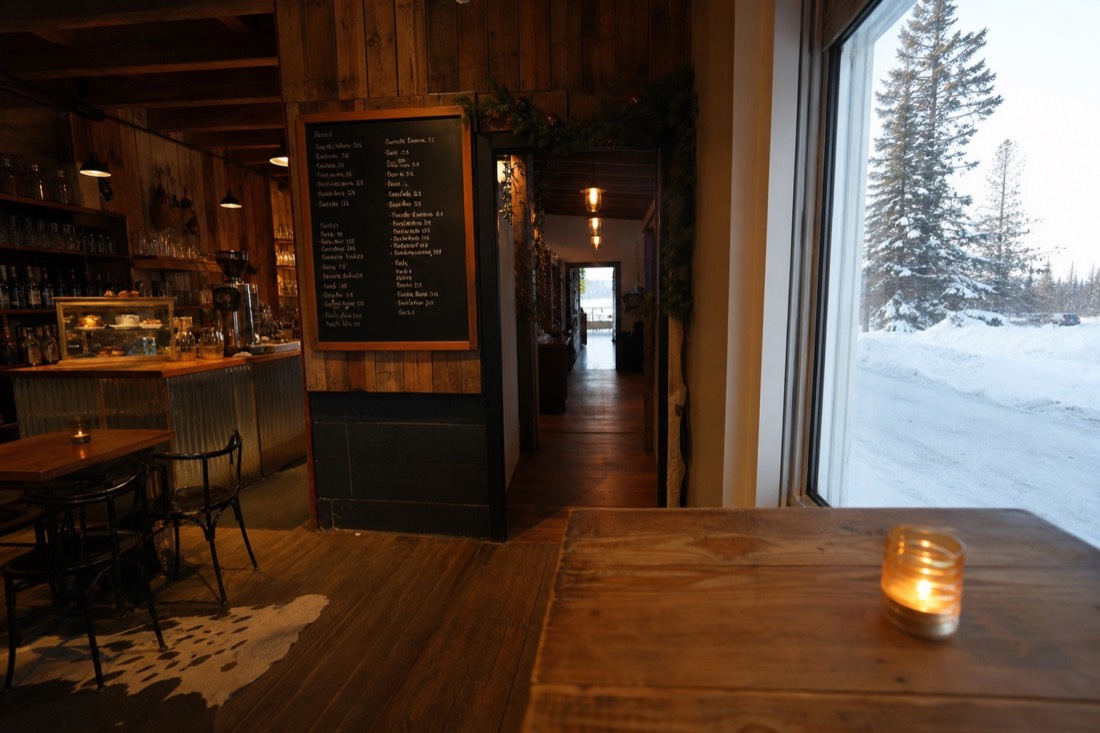
Everything on a Yellowknife plate travelled a long way or came out of the lake, and the prices reflect the first half of that sentence. The move is to plan for it rather than resent it: a couple of modest meals, one splurge at Bullocks', and at least one meal that comes with an experience attached, which is where the tours quietly become good value, since several fold real northern food into the price. The dog-sledding crowd gets fresh bannock included, and North Star Adventures builds a traditional fish meal with bannock and stories into its Indigenous-guided fishing tour, from CA$249 with gear and transfer included. Meal-by-meal budgeting for the whole trip lives in what a Yellowknife trip really costs.
| Food budget anchor | Real figure |
|---|---|
| Typical restaurant main | Commonly CA$15 to CA$30 |
| NWT sport fishing licence | About CA$15, mandatory, never included in tours |
| North Star fishing tour with traditional fish meal and bannock | From CA$249, gear and transfer included |
| Bannock on the traditional dog-sledding tour | Included in the tour price |
| Your ice-fishing catch, cooked on the lake | Included in the tour; the licence is the only food cost extra |
Can you really catch your own lunch here?
Yes, and it is the freshest meal in the territory. The ice-fishing tour runs 3.5 hours in heated huts on Great Slave Lake, pulls the net with the group, and cooks the catch for lunch right on the ice. No restaurant in town can shorten the distance from lake to plate below that.
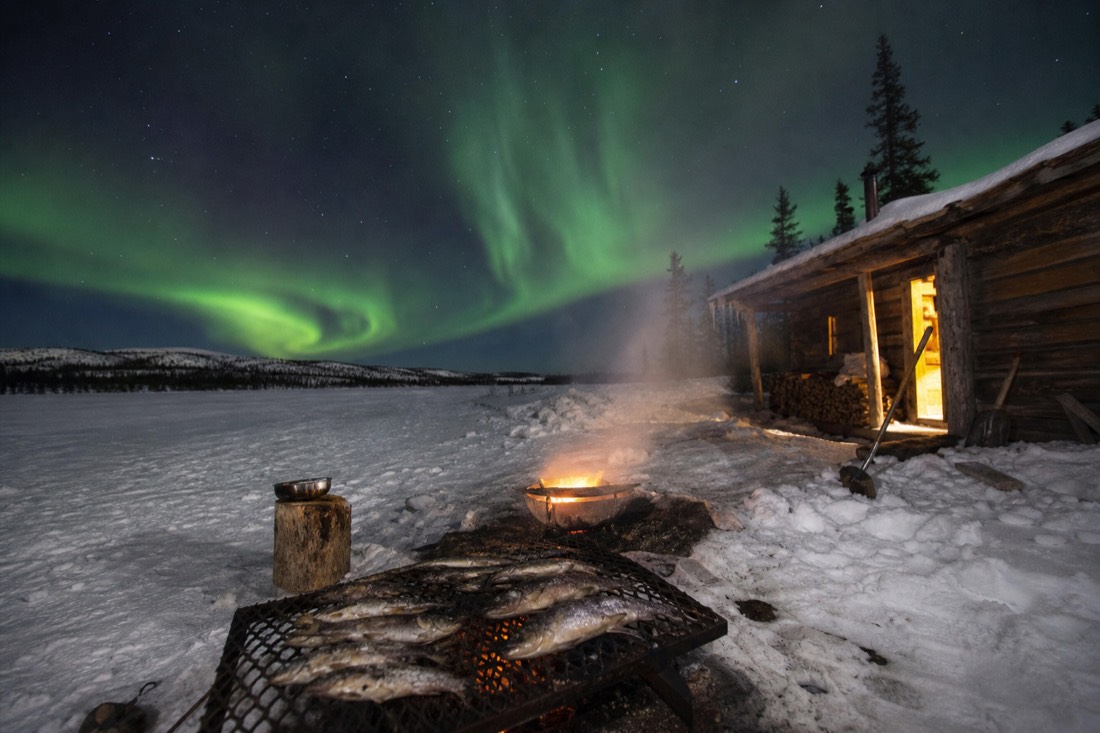
This is the meal I push hardest, because it rearranges how people think about food. You stand on the frozen surface of the deepest lake on the continent, help haul a net through a hole in the ice, and twenty minutes later you are eating the result, hot, outside, in air that may be thirty below. Guests who shrugged at the idea of a fishing tour talk about that lunch for the rest of their trip. The group caps at 16, the huts are heated, and the tour holds a 4.5 rating across 72 reviews. The ice fishing tours page compares the options, or you can go straight to check live availability and prices for the ice fishing lunch tour on Viator and lock in a date. Remember the ~CA$15 licence on top.
Eat the fish three ways before you leave: fried at Bullocks' with the noise and the graffiti, on a summer plate at the Wildcat with eighty years of cabin around you, and hot off the ice with the lake still under your boots. Do all three and you will understand this town better than any museum can teach it.