Yellowknife on Screen, What Ice Road Truckers Got Right and What TV Got Wrong
A local guide sorts Yellowknife's screen legend from reality: where Ice Road Truckers really filmed, why the Liam Neeson movie was not shot here, and the ice road you can drive.
 By Thomas Beaulieu, Yellowknife tour guide & northern lights specialist
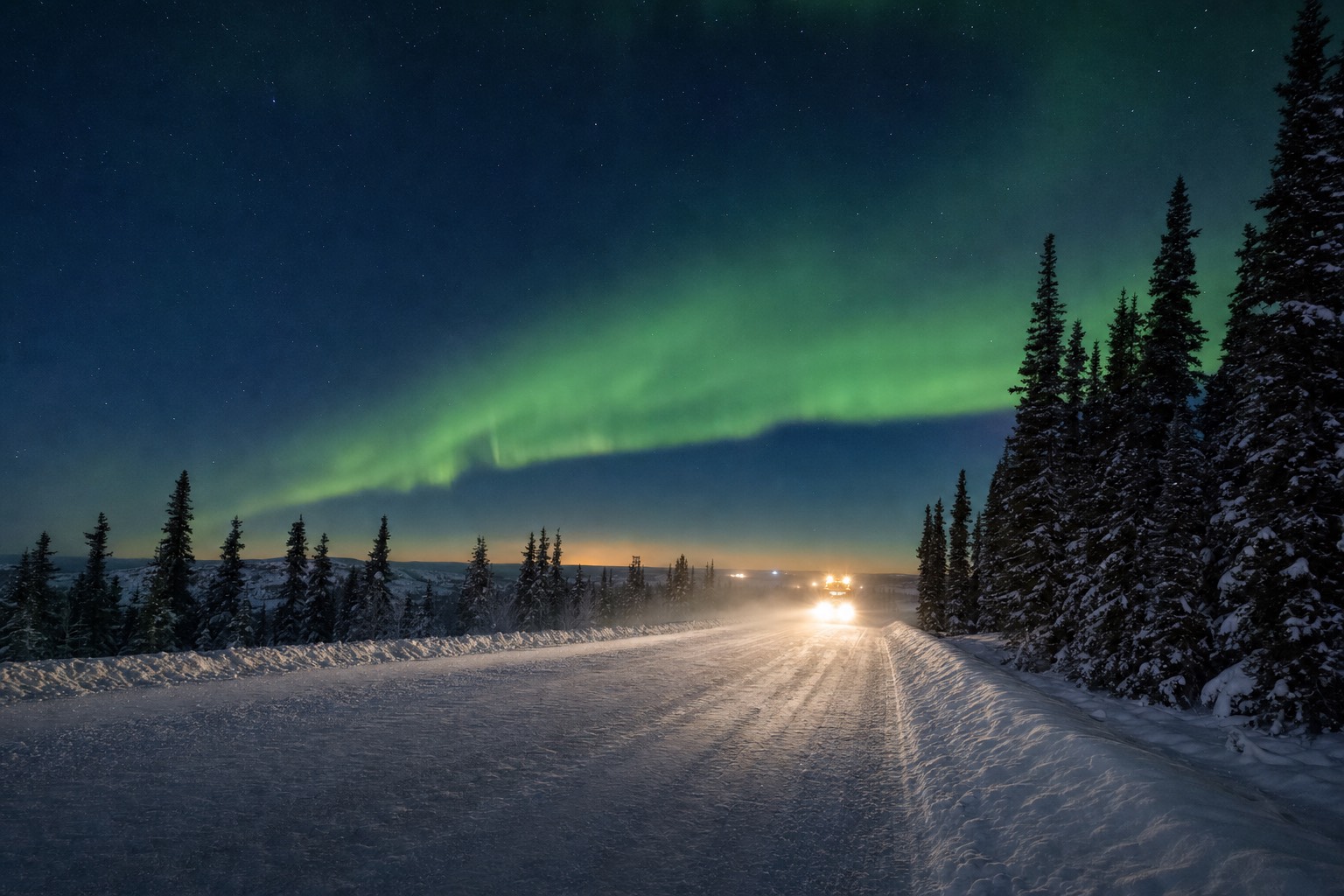
At least once a week in winter, a guest climbs into my van, looks out at the frozen bay and says some version of "so this is where the truckers drove." They are not wrong, and I love that the show still pulls people north almost two decades on. But television compresses, exaggerates and occasionally just relocates, so let me do what I do on tour and sort the Yellowknife you saw on screen from the one outside the window.
Did Ice Road Truckers really film in Yellowknife?
Yes, genuinely. Ice Road Truckers, the History Channel series, filmed in and around Yellowknife across many seasons, following real drivers hauling freight on the winter roads that supply remote northern operations. The town's screen fame is earned, not borrowed.
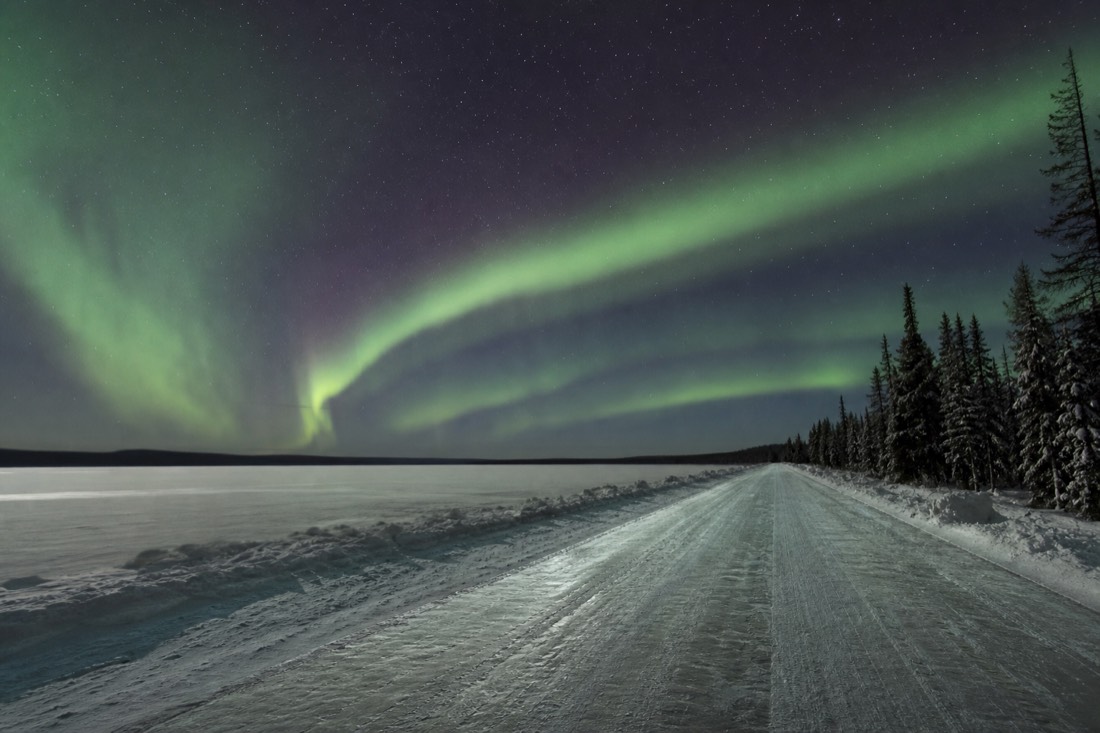
This one always feels good to confirm. The series that made "ice road trucker" a job title children announce at career day really did base much of its story here, and the show's own history tracks those Yellowknife-area seasons. The premise was never invented either. Winter roads over frozen lakes and ground are how heavy freight reaches places no all-season road serves, and Yellowknife, as the territorial capital and supply hub, sat naturally at the middle of that world.
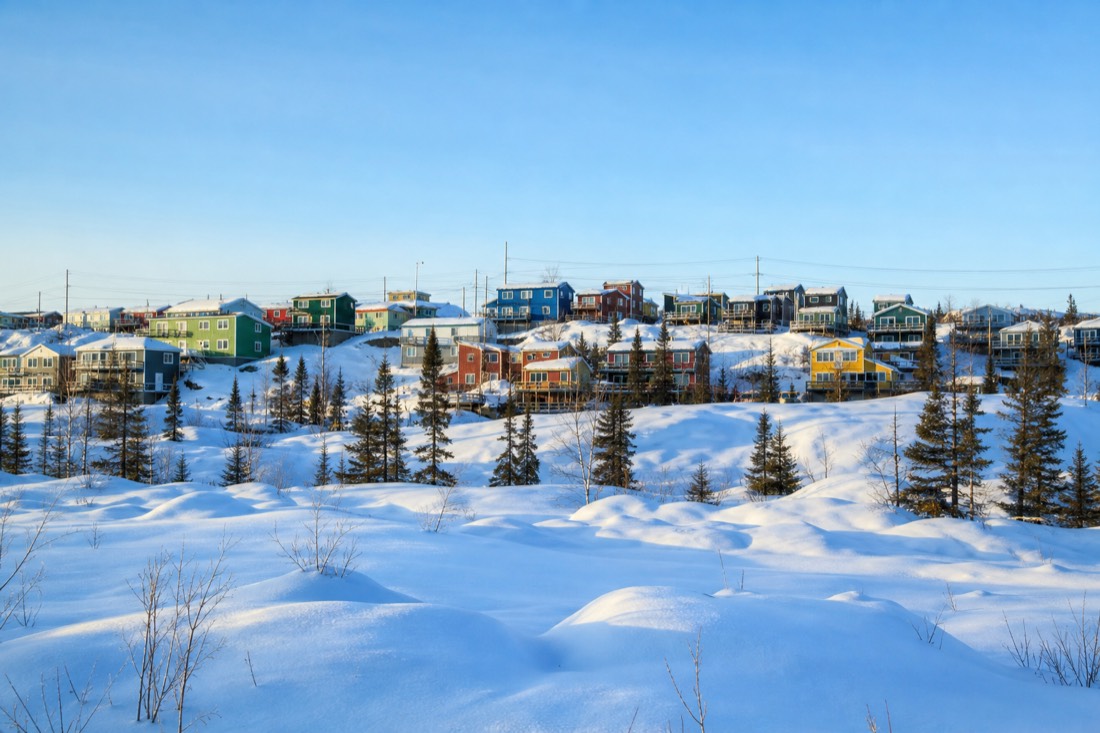
What surprises visitors is how ordinary the town at the centre of the legend is, in the best way. This is a working capital of 20,340 people with a legislature, museums and good coffee, not a frontier outpost of growling diesel. The full picture of what put this place on the map, gold, diamonds, aurora and yes, television, is a story I tell properly in what Yellowknife is famous for.
| Screen fact | The record |
|---|---|
| Ice Road Truckers | History Channel series, really filmed in and around Yellowknife across many seasons |
| What it followed | Real drivers hauling freight over winter roads to remote northern operations |
| The Ice Road (2021) | Netflix feature with Liam Neeson, set in Manitoba and shot primarily there, not Yellowknife |
| The town itself | Capital of the Northwest Territories, population 20,340 at the 2021 census |
Was the Liam Neeson movie The Ice Road filmed here too?
No, and this is the polite correction I make most often. The 2021 Netflix film The Ice Road was set in Manitoba and shot primarily there. It borrowed the world that Ice Road Truckers made famous, but Yellowknife was not its filming location. Different production, different province.
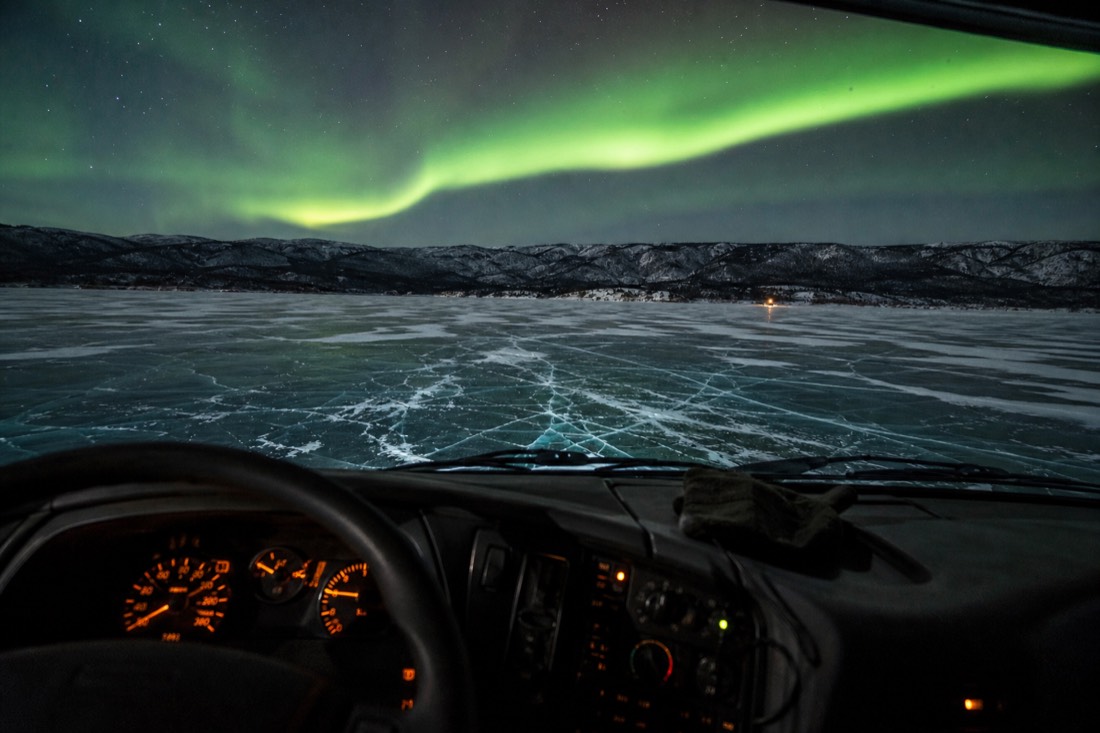
I understand the mix-up completely. The movie is about ice road truckers, the series called Ice Road Truckers filmed here, so the arithmetic seems obvious. But productions chase tax credits and logistics as much as landscapes, and that one found its frozen lakes a territory and a province away. Nobody in town holds it against the film. We just gently reclaim the credit when visitors hand it to us.
The confusion does contain a compliment. Yellowknife's winter roads became so iconic that any on-screen ice trucking now reads as "Yellowknife" to a global audience. When a brand becomes the generic name for the whole category, you have won something, even when the cameras were elsewhere.
What did TV get right, and what did it stretch?
The shows got the fundamentals right: the roads are real, the cold is real, and the driving is genuinely serious work. What television stretched is the constant peril and the frontier grimness. The real winter here is colder than TV suggests and far calmer than it dramatizes.
The cold needed no exaggeration. January highs here average around minus 21.6, nights average near minus 29, and the all-time record without wind chill stands at minus 51.2, set in 1947 and confirmed when Cabin Radio dug through the archival data. Any show that filmed real winters here was documenting, not inventing. The tension music, though, was doing heavy lifting. Ice roads are engineered, measured and managed, and the everyday reality is closer to patient, careful driving than to weekly catastrophe.
| What you saw on TV | What is actually true here |
|---|---|
| Endless perilous ice highways | Winter roads are real and serious, but engineered and managed rather than lawless |
| Constant cracking-ice emergencies | Deep cold builds thick, drivable ice every winter; caution, not chaos, is the norm |
| A rough frontier truck-stop town | A small, friendly territorial capital with museums, a legislature and an arts scene |
| Winter as pure hostile emptiness | Winter is the social season: a snow-castle festival on the bay every March, aurora tours nightly |
| Ice driving as an elite-only feat | One public ice road here is driven by ordinary cars all winter |
That March festival deserves its own footnote: an actual castle built of snow rises on the frozen bay each year, and I covered it in the SnowKing winter festival. Hollywood never showed you that part.
Can a visitor actually drive an ice road in Yellowknife?
Yes, the real thing, just humbler than television. The Dettah ice road crosses the frozen bay for about 6.5 km to the Yellowknives Dene community of Dettah, typically open from mid or late December to mid-April. It is a public road, plowed and signed, driven daily by regular cars.
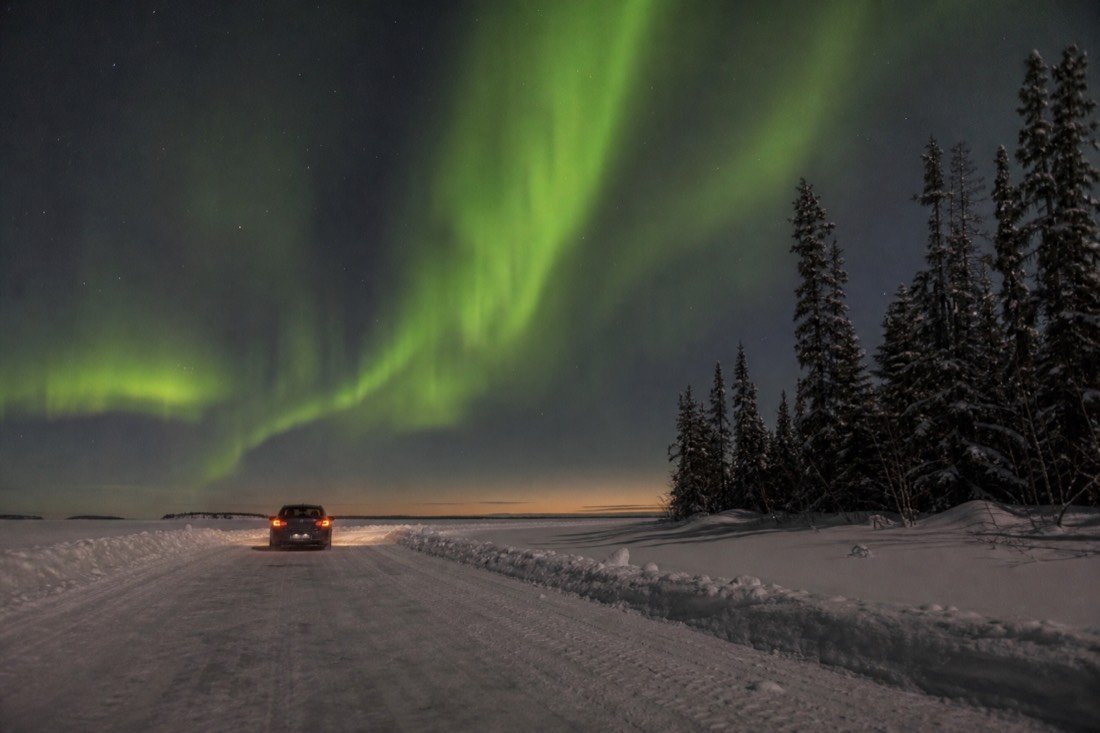
This is my favourite reveal on winter visits. The legendary ice roads of television are working freight routes you cannot tour, but their small public cousin starts a few minutes from downtown and asks nothing of you but a rental car and a little nerve. You drive off the shoreline, the surface under your tires becomes Great Slave Lake, and for ten minutes you are an ice road trucker with a coffee in the cup holder. I wrote the full experience up in driving the Dettah ice road, including what it feels like the first time the ice booms under you. Perfectly normal, by the way. Terrifying, but normal.
| Real ice near town | What it carries each winter |
|---|---|
| Dettah ice road | Public traffic, ~6.5 km across the bay, roughly mid/late December to mid-April |
| Yellowknife Bay ice | The SnowKing snow castle every March, plus a neighbourhood of ~50 frozen-in houseboats |
| Great Slave Lake ice | Heated ice-fishing huts over the deepest lake in North America, 614 m at its deepest |
How do you see the town the cameras made famous?
Start where the stories concentrate: Old Town, the Bush Pilots Monument above the bay, the legislature, and the frozen lake itself in winter. A guided city loop threads them together with the history the shows skipped, in a warm vehicle when the season demands one.
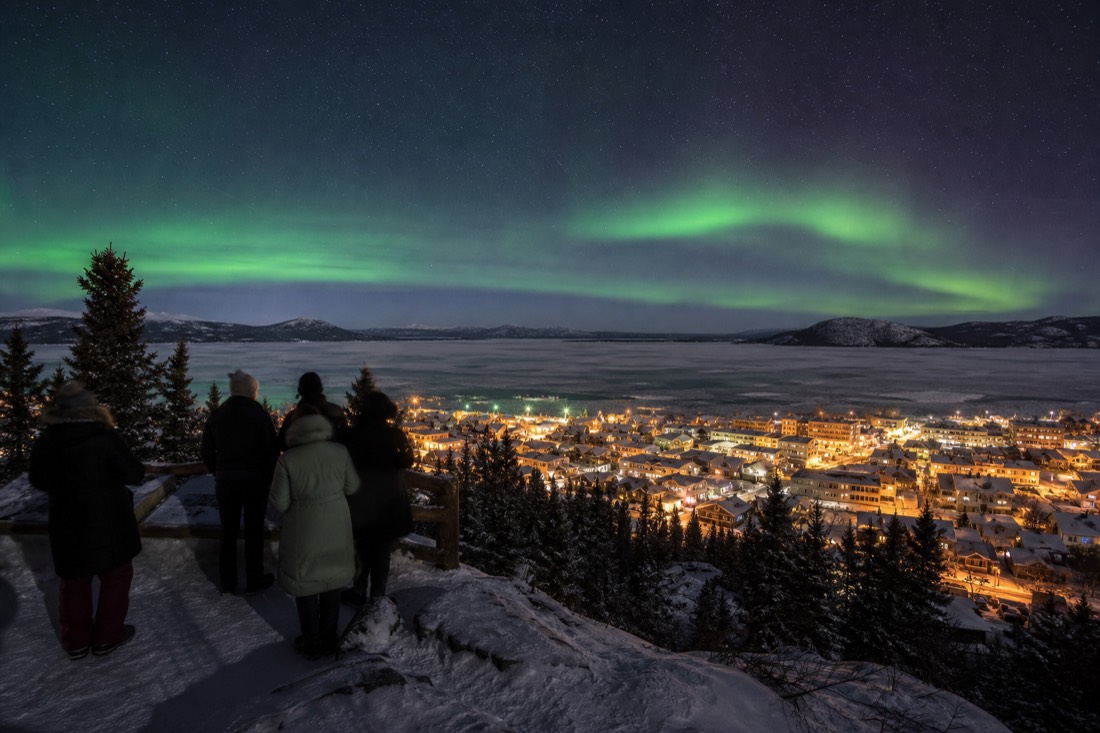
Television gave Yellowknife its fame, but the town's better stories predate the cameras: bush pilots supplying a roadless gold camp, a street named Ragged Ass Road by broke miners, a bay that turns into a road and a festival ground every winter. Wikipedia's overview of the city sketches the arc, and the city tours page shows the two guided loops that tell it on the ground. If your dates are set, you can check live availability and prices for the 5.0-rated city tour on Viator, the only tour in town holding a perfect score, across Old Town, the monument, the legislature and a wildlife gallery.
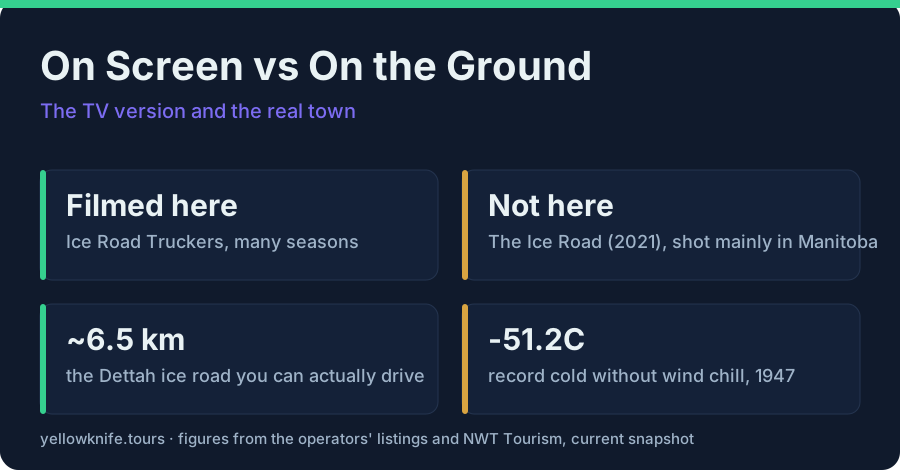
So yes, tell your friends you visited the ice road town. Just tell it accurately: the truckers were real, the movie was Manitoba, and the version you can live yourself is a quiet 6.5 km crossing with the whole white lake around you. Honestly, that beats television.