What Is Yellowknife Famous For? A Local Guide Explains the Legend
Aurora capital, gold town, diamond town, Ice Road Truckers backdrop. A working guide sorts the real claims to fame from the Hollywood confusion, including what the name actually means.
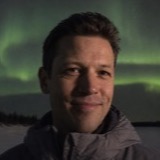 Written with Thomas Beaulieu, Yellowknife tour guide & northern lights specialist
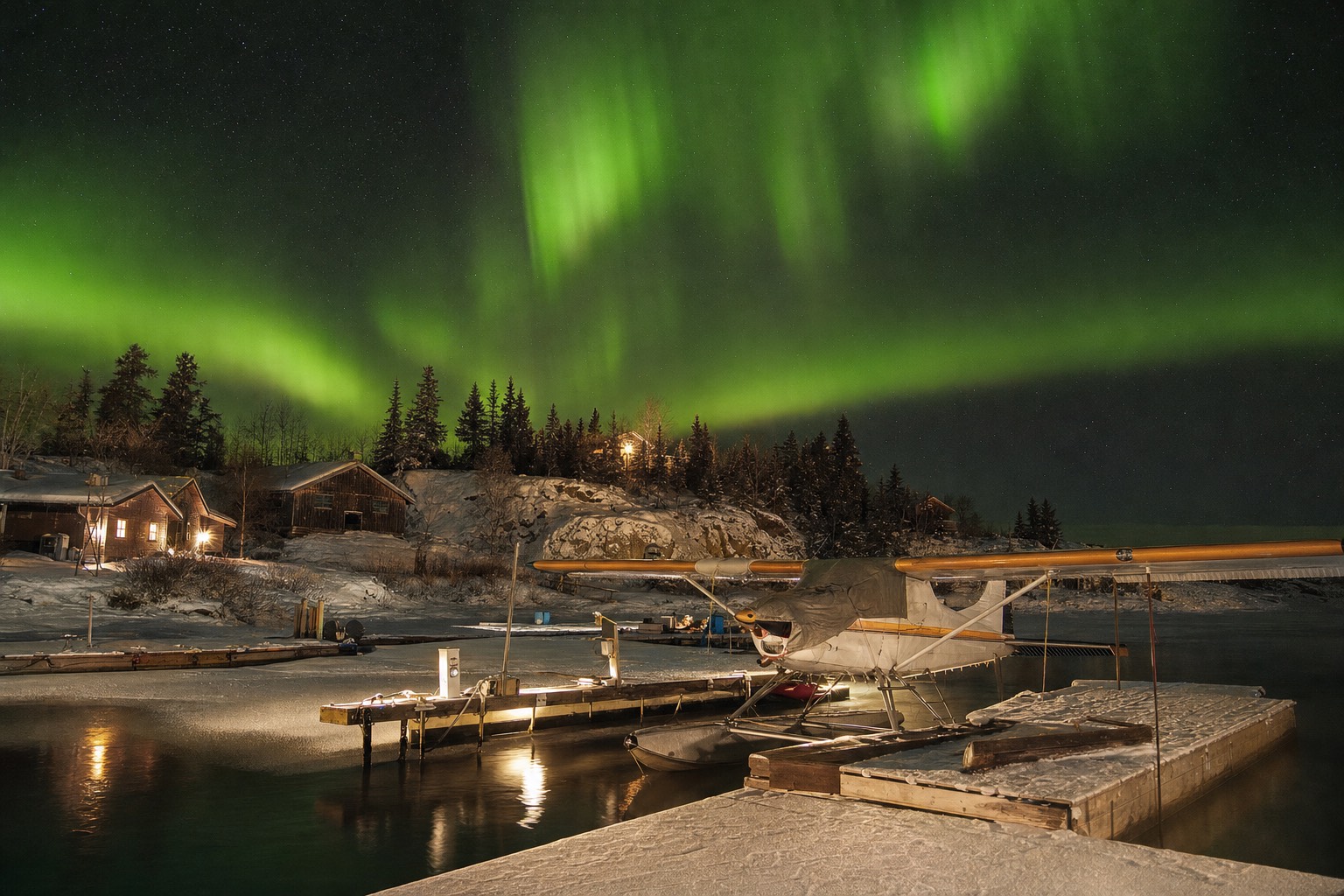
Short answer
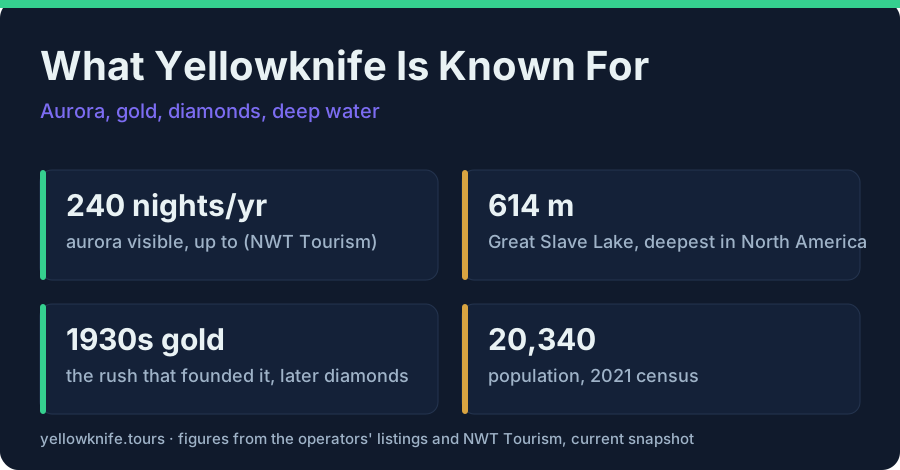
Yellowknife is famous as North America's aurora capital, with northern lights visible up to 240 nights a year. It is also known for its 1930s gold rush that turned into a diamond boom, for sitting on Great Slave Lake, the deepest lake in North America at 614 m, and for the ice roads made famous by Ice Road Truckers.
Guests usually know one thing about Yellowknife before they land, and it is almost always the sky. Fair enough: this is the aurora capital of North America, with lights visible up to 240 nights a year. But the town under that sky is famous for more. A 1930s gold rush, a diamond boom, the deepest lake on the continent, bush pilots, ice roads on TV, and a name that comes from copper knives. Here is the whole list, sorted honestly.
What is Yellowknife famous for?
Five things, mainly. The northern lights, visible up to 240 nights a year under the auroral oval. A 1930s gold rush that later became a diamond boom. Great Slave Lake, the deepest lake in North America at 614 m. The ice roads of Ice Road Truckers fame. And a frontier culture of bush pilots, houseboats, and a snow castle.
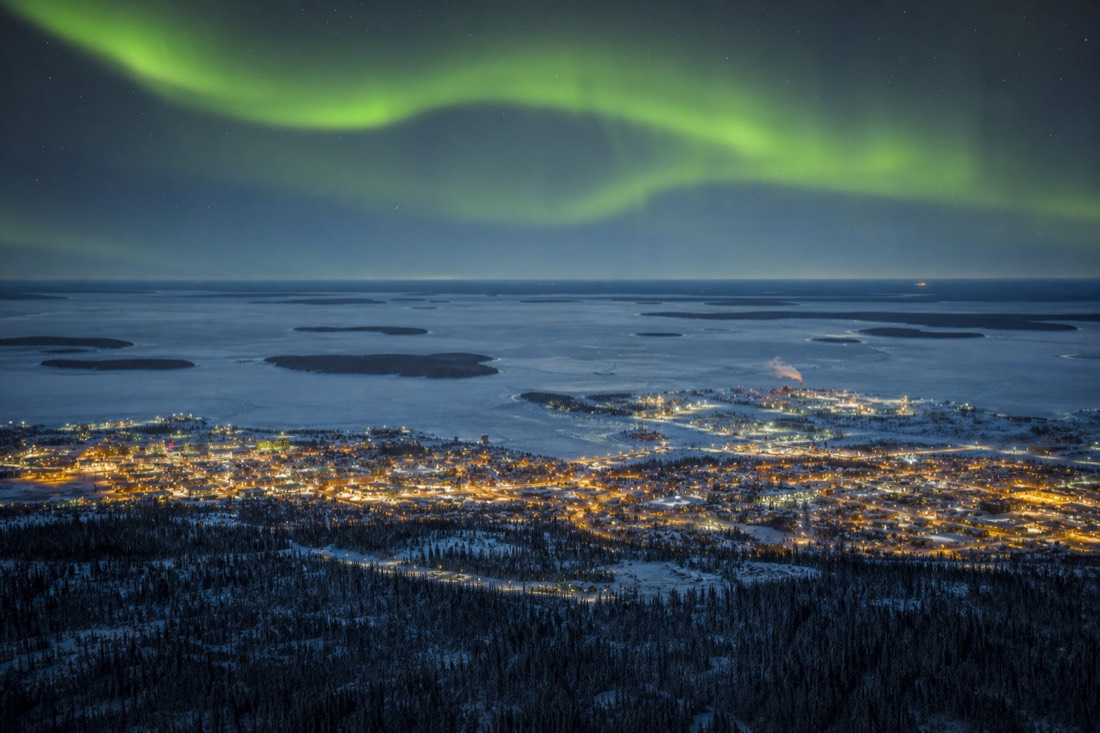
I find it easiest to lay the fame out by category, because visitors arrive chasing one item on this list and leave having met all of them.
| Claim to fame | The substance behind it | Where you meet it |
|---|---|---|
| Aurora capital of North America | Lights visible up to 240 nights a year, 98% chance over 3 nights in season | Any dark sky from mid-August to early April |
| Gold rush boomtown | Founded on a 1930s gold rush, later reinvented by diamonds | Old Town cabins, Ragged Ass Road |
| Great Slave Lake | Deepest lake in North America, 614 m (2,014 ft) | The shoreline, ice roads, fishing huts |
| Television ice roads | Ice Road Truckers filmed in and around the city across many seasons | The Dettah ice road, driveable in winter |
| Frontier culture | Bush pilots, about 50 houseboats in the bay, the SnowKing's castle | Old Town, Bush Pilots Monument, the frozen bay in March |
One city of 20,340 people carrying that much legend is exactly why the place feels bigger than it looks on a map. If you are wondering where that map point even is, I wrote a plain-language answer in where is Yellowknife.
Why is Yellowknife called the aurora capital?
Because the numbers are absurd. Yellowknife sits directly under the auroral oval, so the lights appear on up to 240 nights a year, and NWT Tourism puts the odds of seeing them at 98% across a three-night stay in season. Flat horizons, dry clear winters, and tiny light pollution finish the job.
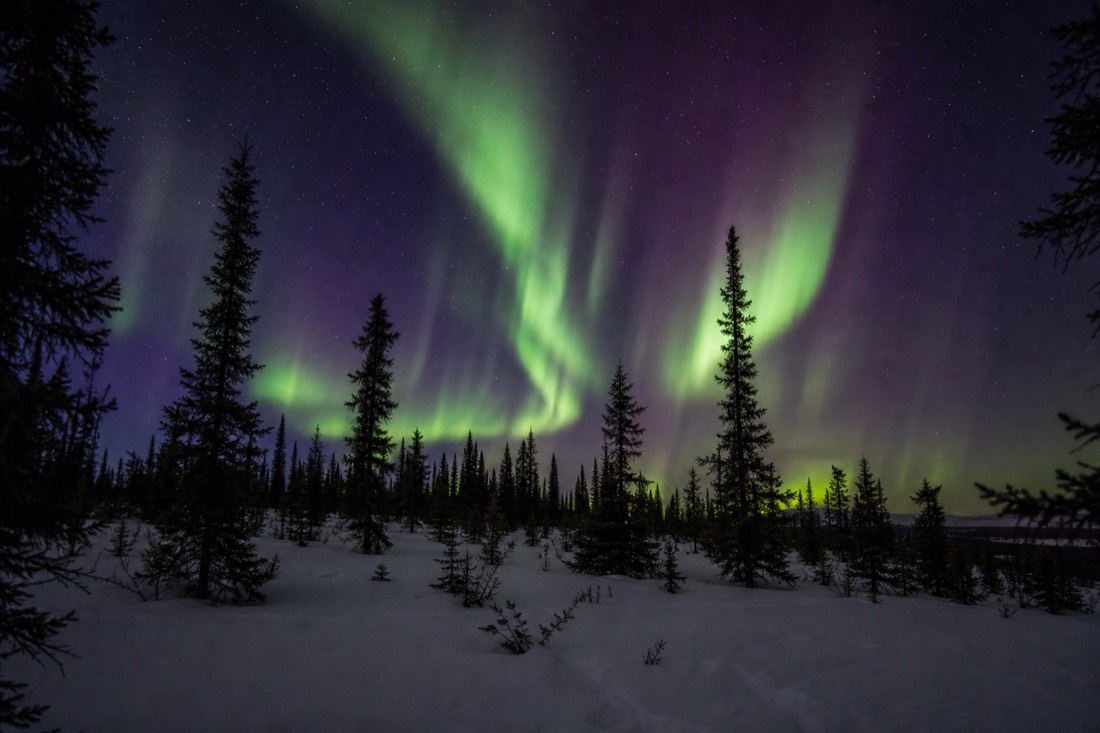
The aurora is the fame that pays the town's bills, and it is earned. The oval position means even quiet solar nights light up here, while cities further south wait for rare storms. NWT Tourism publishes the figures at the northern lights by the numbers, and the 240-nights stat has run in Travel and Leisure too, which tells you how unusual it is. On my own hunts I have watched a full show unfold on a night the forecast read Kp 0.0. That is what living under the oval buys you.
The season runs in two windows, mid-August to early October over open water and mid-November to early April over snow. Midnight sun switches the show off from roughly mid-April to late July. Timing details live in the best time to see the northern lights guide.
What does Yellowknife mean?
The name refers to the copper-bladed knives of the Yellowknives Dene, the Indigenous people of this territory. Their communities of Dettah and Ndilo sit on Yellowknife Bay today, and the Yellowknives Dene speak the Wiiliideh dialect. The city took its name from the people, not the other way around.
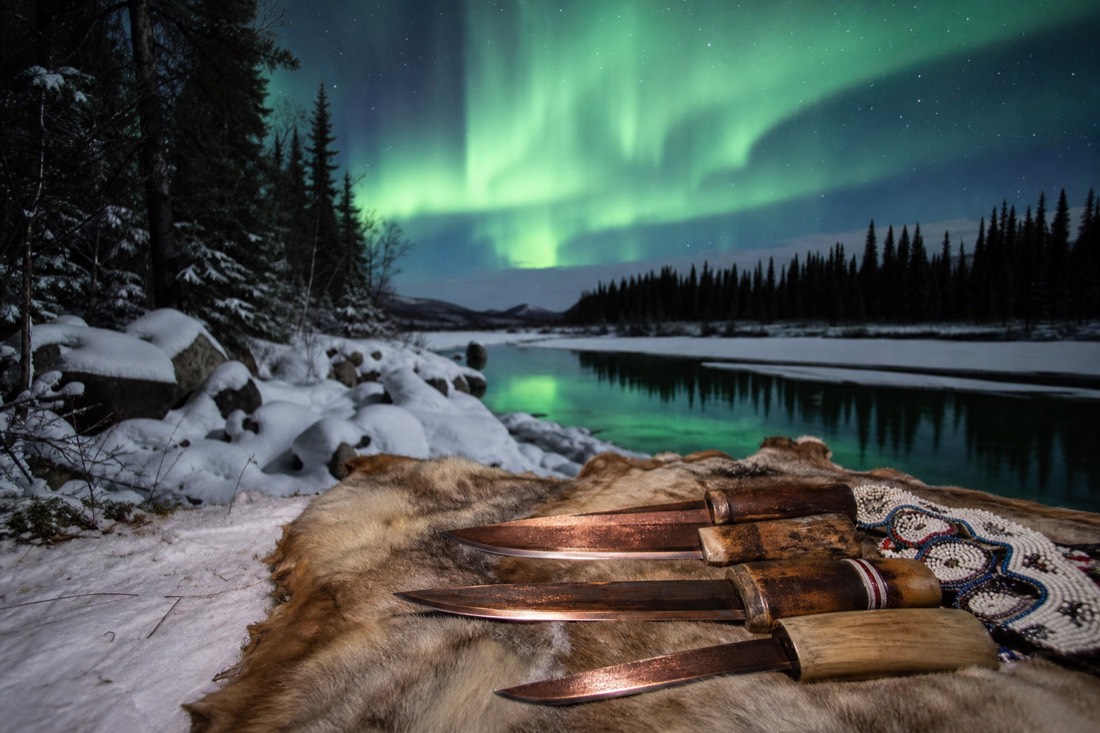
This is the answer people least expect. Long before gold, the Yellowknives Dene were known for knives worked from copper, and the name travelled from the people to the bay to the town. Their presence here is not historical footnote but current fact: Dettah and Ndilo are living communities minutes from downtown, and in winter a public ice road crosses the frozen bay to Dettah. Driving it is one of the strangest ordinary things you can do here, and I described the whole experience in driving the Dettah ice road.
You will also hear the language question a lot, since the Northwest Territories officially recognizes 11 languages. The full picture, including which tours run in which languages, is in what language do they speak in Yellowknife.
Is Yellowknife a gold town or a diamond town?
Both, in sequence. A 1930s gold rush built the town, complete with shoreline shacks and the famously named Ragged Ass Road. When gold faded, diamond mining in the surrounding territory reinvented the economy, and Yellowknife rebranded as a diamond capital. The gold-rush bones are still standing in Old Town.
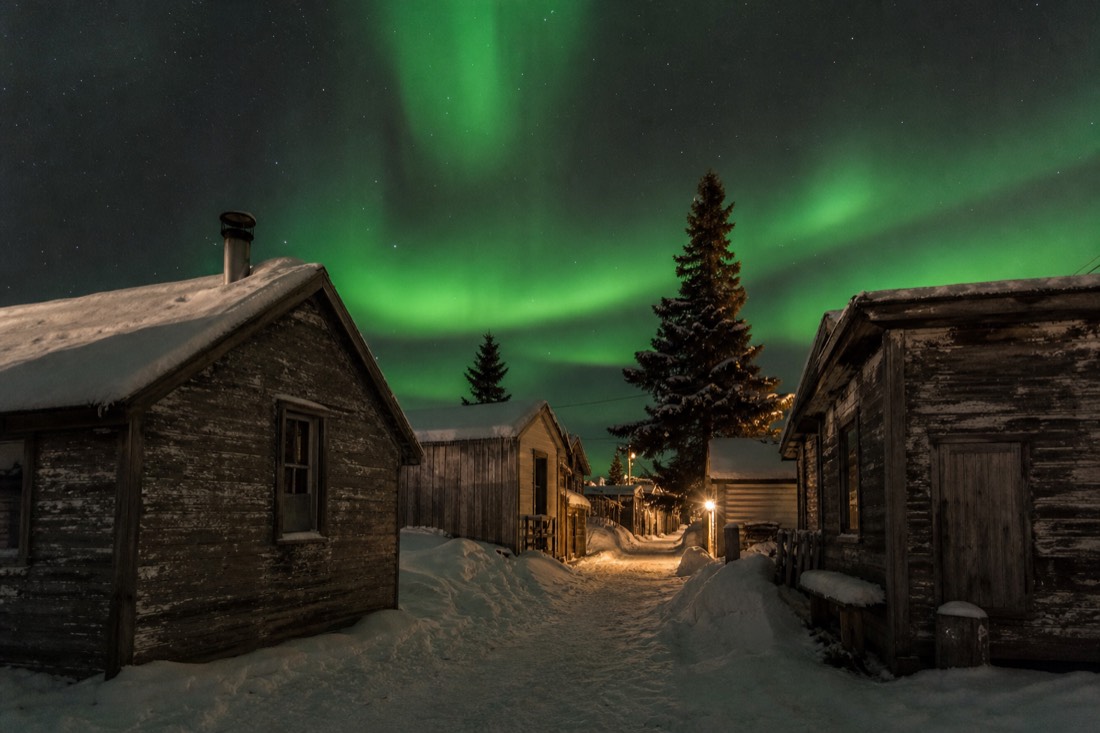
The then-and-now contrast is half the town's character. Downtown is government offices and hotels. Ten minutes away, Old Town still looks like the 1930s never fully ended.
| Era | What drove the town | What survives from it |
|---|---|---|
| 1930s onward, gold | Gold rush on Great Slave Lake's north shore founds Yellowknife | Old Town cabins, Ragged Ass Road, the Wildcat Cafe (opened 1937) |
| Territorial capital era | Yellowknife becomes capital of the Northwest Territories | Legislative Assembly, free to visit |
| Diamond era | Diamond mining reinvents the economy after gold declines | The "diamond capital" identity, a modern working city |
The Wildcat Cafe deserves its own line: a log-cabin restaurant serving since 1937, open seasonally in summer, and still one of the most photographed buildings in the North.
Why are Yellowknife's ice roads famous, and was The Ice Road filmed here?
Ice Road Truckers on the History Channel filmed in and around Yellowknife across many seasons, which put the region's frozen highways on televisions worldwide. The 2021 Netflix film The Ice Road, though, was set and filmed primarily in Manitoba, not Yellowknife. The real, driveable article is the Dettah ice road across the bay.
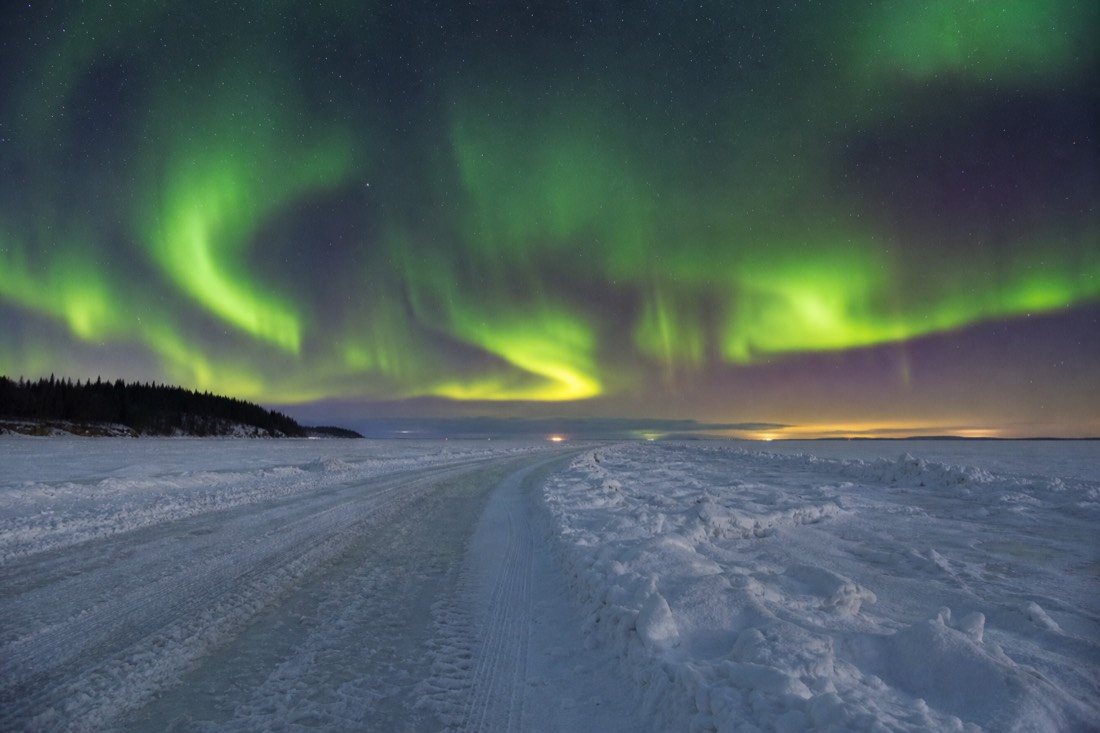
I get the Liam Neeson question more than you would think, so let me split the screen facts cleanly. Ice Road Truckers is the genuine Yellowknife connection, following truckers on frozen routes in this region season after season. The Netflix thriller borrowed the idea but shot mostly in Manitoba. No hard feelings, Manitoba, but the fame belongs here.
The accessible version of that fame is the Dettah ice road, about 6 to 6.5 km across the frozen bay, typically open from mid or late December to mid-April. It is a public road. Regular cars drive it daily, no stunt driving required. The same frozen lake also carries heated fishing huts all winter, where operators pull nets and cook the catch on the ice, which is a story I tell properly in ice fishing on Great Slave Lake.
What famous things can you actually see in a day?
Most of them. Old Town, the Bush Pilots Monument, Ragged Ass Road, the houseboats, the Legislative Assembly, and the Prince of Wales Northern Heritage Centre all sit within minutes of each other, and the last two are free. In March the SnowKing's snow castle on the frozen bay joins the list.
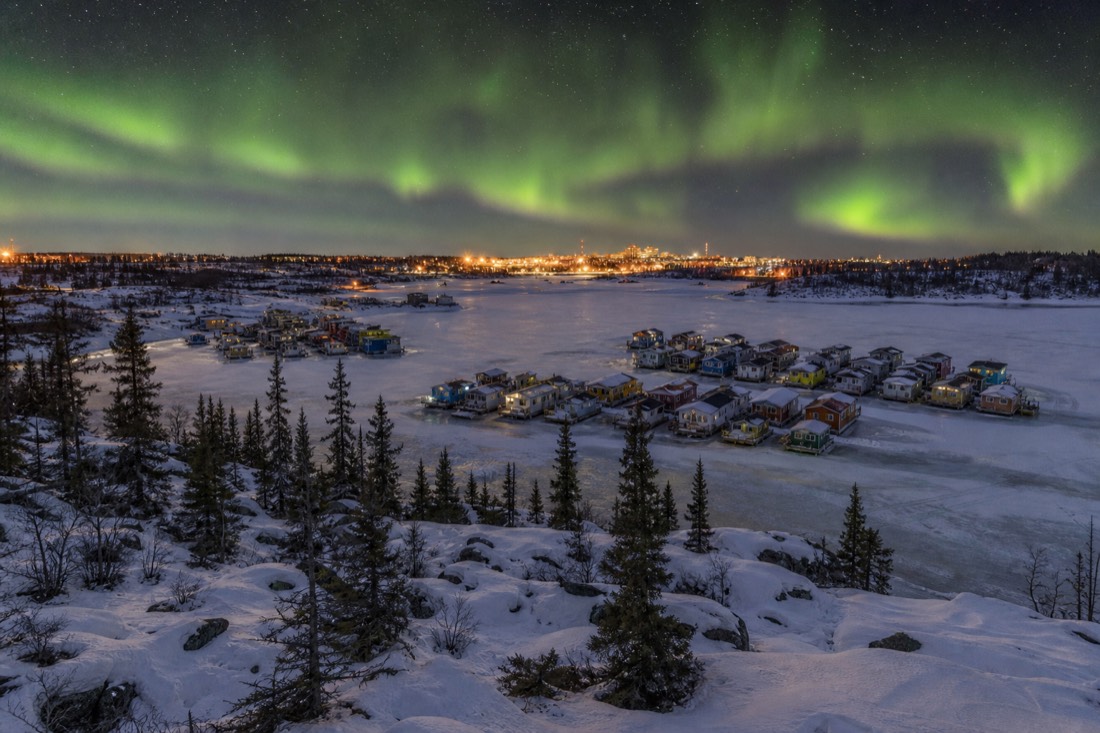
The fame is unusually compact, which is why a guided city loop works so well here.
| Famous sight | What it is | Cost |
|---|---|---|
| Old Town and Ragged Ass Road | Gold-rush cabins, floatplane docks, the famous street sign | Free to wander |
| Bush Pilots Monument | The lookout honouring the aviators who opened the North | Free |
| Houseboats of Yellowknife Bay | Around 50 off-grid homes floating, or frozen in, offshore | Free view from Old Town |
| Legislative Assembly | The territorial capital's seat of government | Free admission |
| Prince of Wales Northern Heritage Centre | The North's museum of culture and history | Free admission |
| SnowKing snow castle | A full snow castle built on the frozen bay, dates at snowking.ca | Runs every March |
The bush-pilot story is the sleeper hit of that list. Yellowknife was the base from which tiny planes stitched the North together, floatplanes still take off from Old Town all summer, and I wrote up the history in Old Town and the bush pilots. If you want the full circuit with the stories attached, the city tour run by the local operator Yellowknife Tours Ltd covers Old Town, the monument, the Legislative Assembly, the Heritage Centre, and a northern wildlife gallery, and it holds a perfect 5.0 across 27 reviews. Browse the city tours page for the options, then check live availability and prices on Viator for your dates.
Does the fame hold up when you visit?
Yes, with one caveat: the fame is northern, not urban. People who come for aurora, ice, history, and character find the legend understated if anything. People expecting a polished city attached to the famous name find a small, expensive frontier capital. Know which trip you are booking.
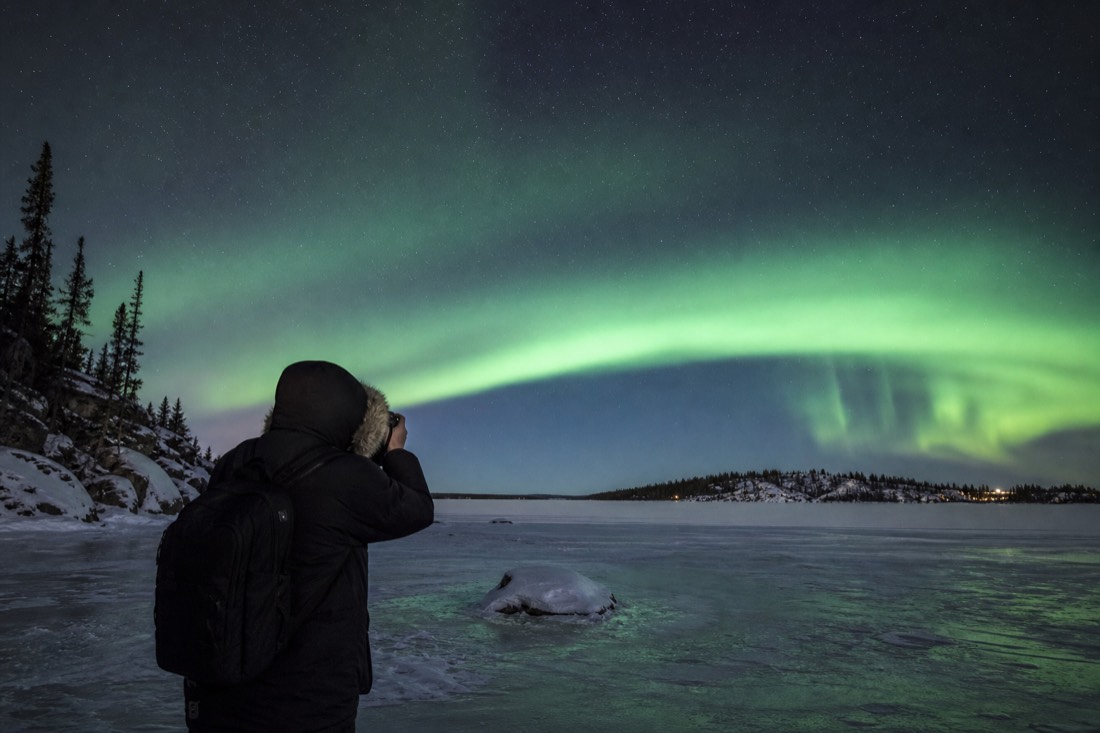
My honest close after four years of guiding: the sky is the headline, everything else is the reason people stay an extra day. Weigh the whole package with is Yellowknife worth visiting, and if the answer is yes, come between mid-August and early April so the most famous thing of all is actually switched on.