Dog Sledding in Yellowknife, What It's Really Like
A Yellowknife guide on a real morning of dog sledding: the noise before harnessing, 25 minutes of trail silence, Dene sled-dog stories, and warm bannock after.
 By Thomas Beaulieu, Yellowknife tour guide & northern lights specialist
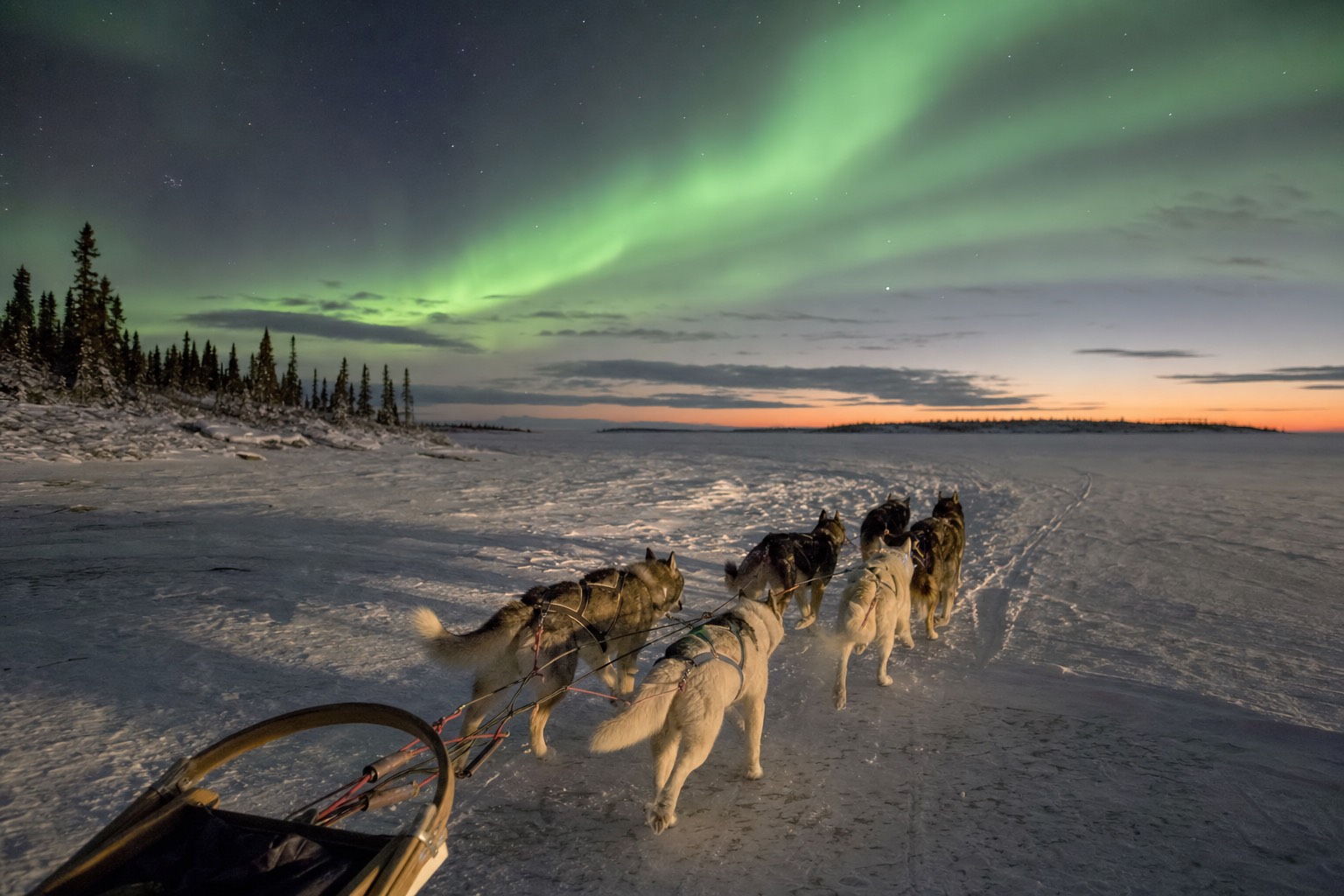
Nothing in a Yellowknife winter is louder than a dog yard that has just seen the harnesses come out. Forty dogs, every one of them screaming to be picked, front paws hammering the snow, the whole yard vibrating like a stadium before kickoff. First-time guests always flinch. Then the team is clipped in, the snow hook comes up, and the noise shuts off like someone hit a switch. I have stood in that silence dozens of times since I started guiding here in 2022, and it still gets me.
Why is the dog yard so loud before the run?
Because every dog wants in. Sled dogs are bred and raised to run, and the sight of harnesses triggers an ear-splitting chorus of barking, howling, and lunging that lasts exactly until the team starts moving. The instant the sled slides forward, the yard goes quiet and all you hear is breath and runners.
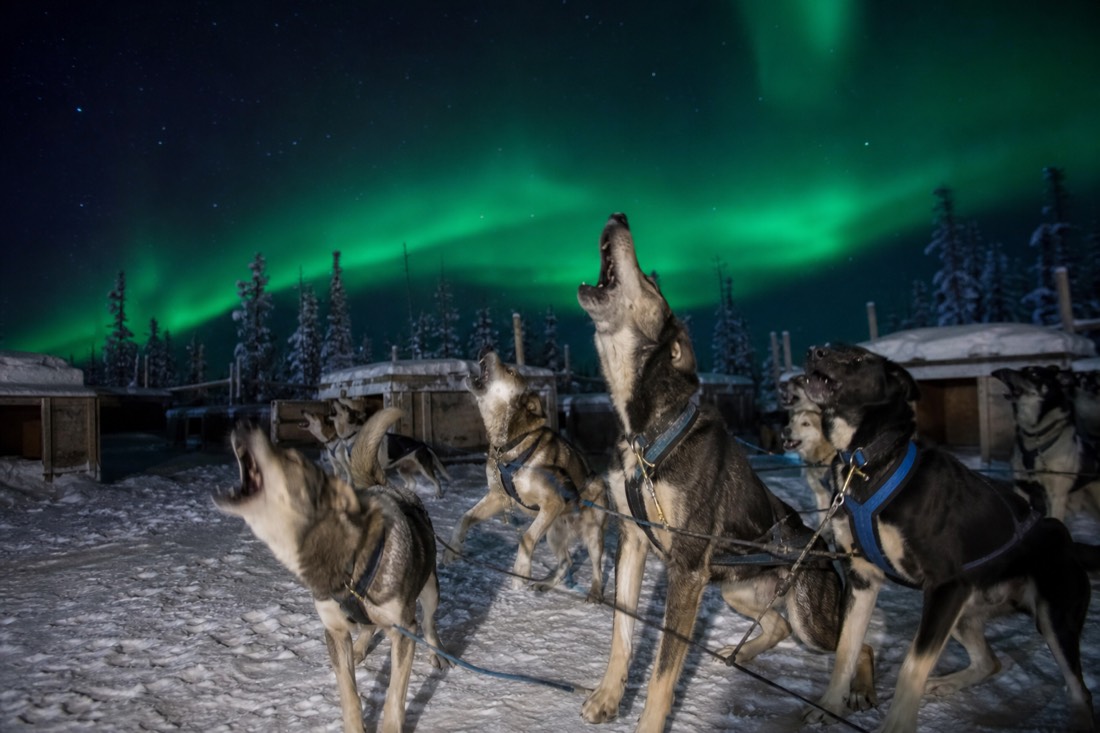
The noise is the part no video prepares you for. People arrive expecting a gentle petting-zoo morning, and instead they walk into a wall of sound with real intent behind it. It is not distress, and the mushers will tell you so while they work: this is what enthusiasm sounds like when the athlete has four legs. The dogs left behind are the ones who complain loudest.
The morning has a rhythm to it, and knowing the shape helps you relax into it.
| Stage | Roughly how long | What happens |
|---|---|---|
| Arrival and welcome | 15 min | Warm-up, intro to the team and the mushers |
| Meeting the dogs | 20 to 30 min | Harnessing, greetings, the big noise |
| The ride | About 25 min | Silence, runners, open lake and trail |
| Stories and bannock | 30 to 40 min | Dene sled-dog history around a warm fire |
| Photos and goodbyes | 15 min | Time with the team, optional axe throwing |
What does a dog team actually feel like on the trail?
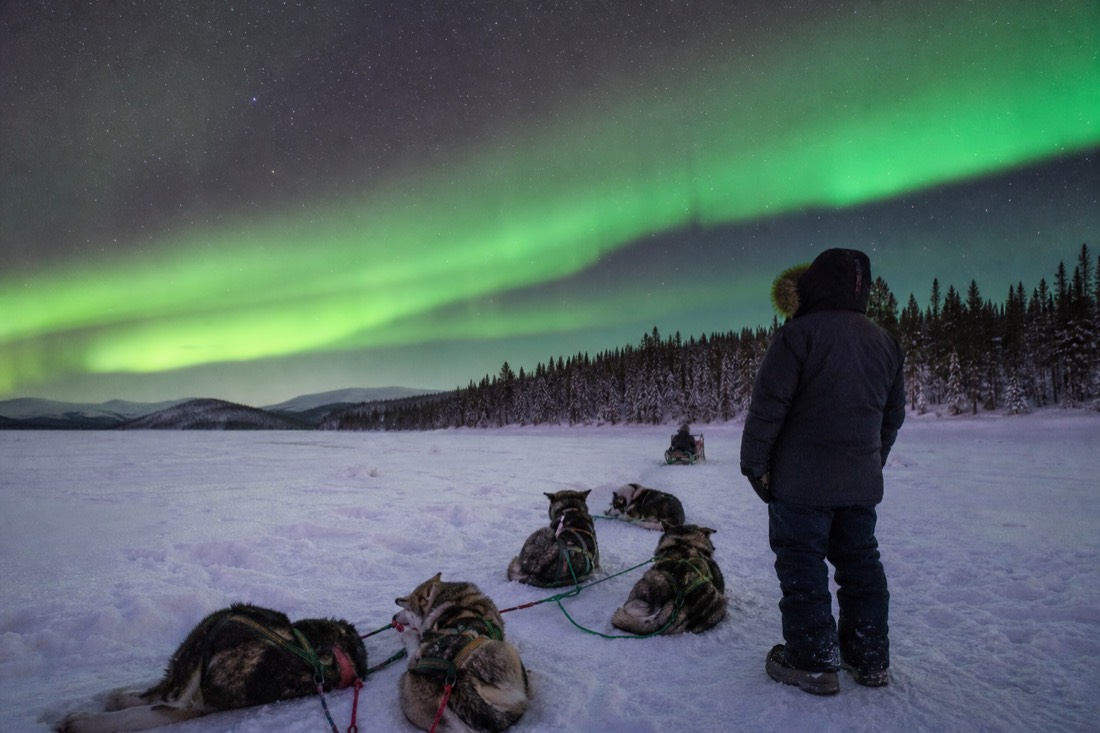
Fast, then smooth, then silent. The launch is a hard jolt as the team hits the line together, and within a minute the sled settles into a glide of about 25 minutes on the traditional trip. The dogs stop barking entirely once they run; the loudest sounds left are panting and runners on snow.
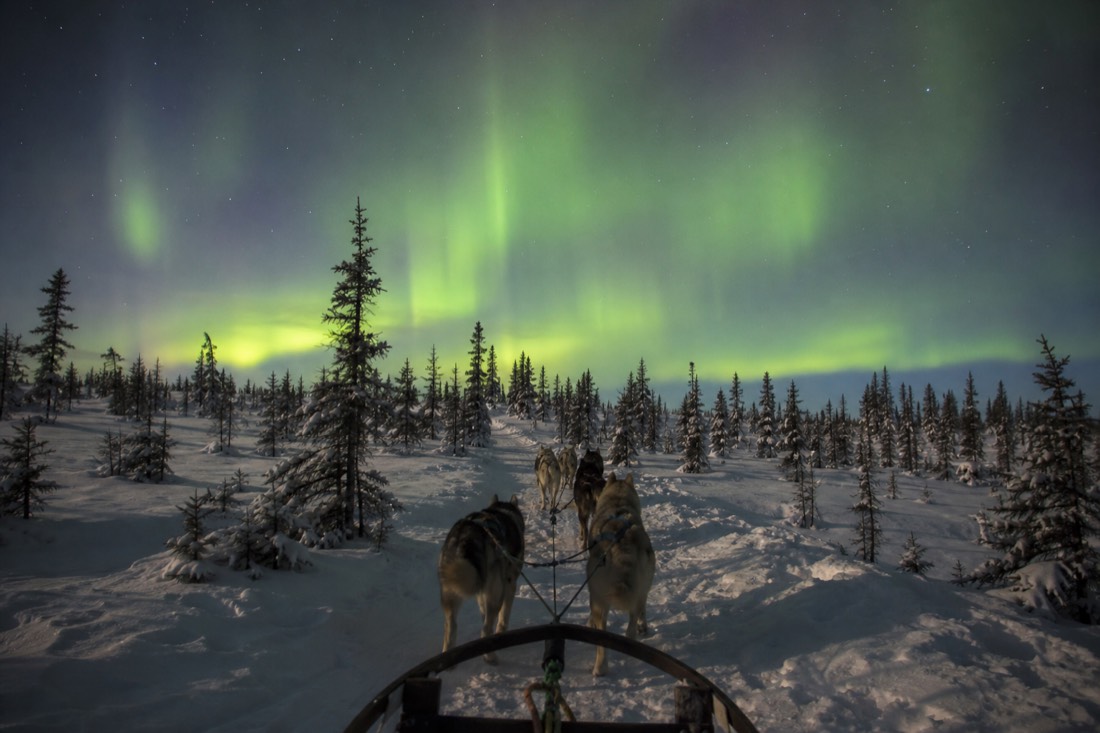
A team does not pull the way people imagine. There is no strain, no whip, none of the cartoon imagery. Six or eight dogs lean into their harnesses at once and the sled simply comes off the snow's grip and runs. The musher steers with weight and voice. Your job as a passenger is to sit low in the sled bag, keep your mitts on, and watch the country pour past at dog speed, which is quicker than it sounds when your face is a foot off the snow.
Those 25 minutes rearrange something in most guests. Conversation stops. You hear sixteen paws hitting packed snow in rhythm, the hiss of the runners, and your own breath icing up your scarf. Around you is the same frozen edge-of-town country the SnowKing's snow castle gets built on every March, a short season when the whole bay turns into a village. On the sled it feels enormous and completely empty. If winter silence is what you came north for, this is the purest half hour of it on offer, and it pairs perfectly with a quiet morning of ice fishing on Great Slave Lake later in the trip.
What is the Dene relationship with sled dogs?
Dogs were working partners here long before snowmobiles, hauling people, food, and freight across Dene lands through winters that reach the minus thirties. On the traditional trip, that history is told first-hand through Dene sled-dog storytelling around the fire, which is the part guests remember longest.
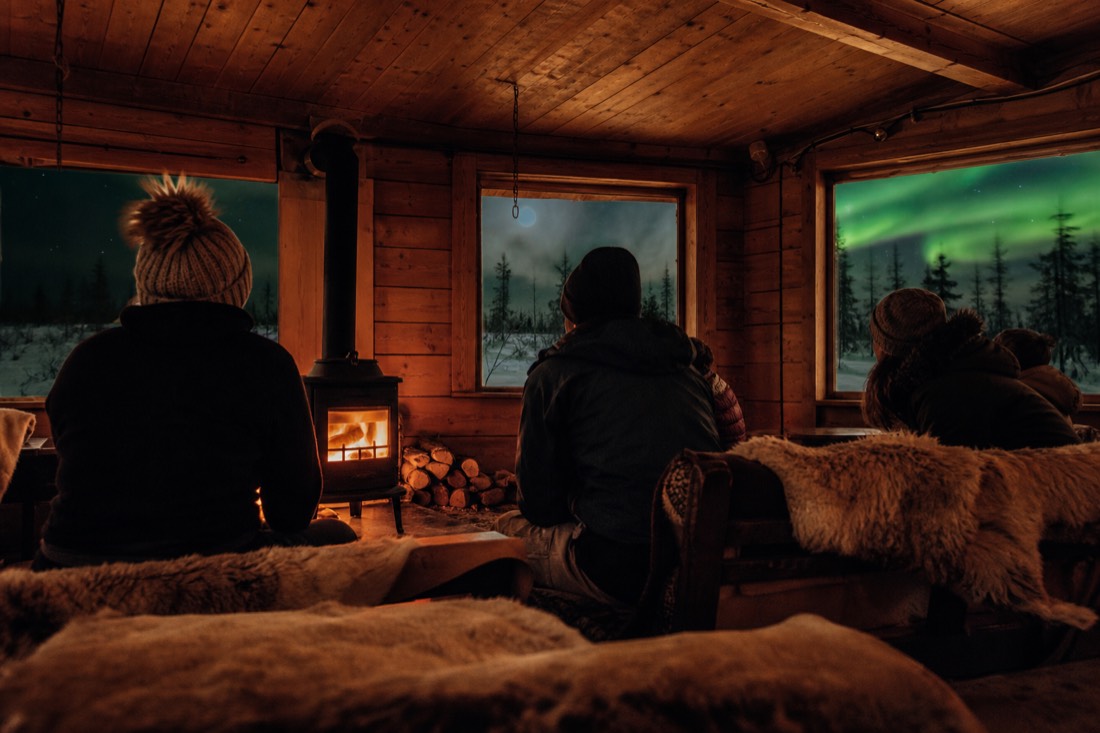
This is the difference between a ride and an experience, in my opinion. Plenty of places in the world will clip you behind a dog team. Very few can sit you down afterward with people whose families actually depended on those teams, in a place where January nights average around minus 29, per the climate record the city itself publishes on its weather page. The stories are not a museum script. They are told the way family history gets told, with jokes and hard parts, while fresh bannock comes off the heat.
About that bannock: it is a simple fried or baked bread, it arrives warm, and after half an hour outdoors it tastes roughly like the best thing you have ever eaten. The traditional trip also offers axe throwing as a CAD 15 add-on, which sounds like a gimmick and turns into the most competitive twenty minutes of most family vacations.
Traditional trip or Enodah kennel visit: which should you book?
Book the traditional trip for the culture: Dene storytelling, fresh bannock, and a slightly longer 25-minute ride. Book the Enodah kennel trip for maximum dog time: a full working Alaskan husky kennel, a smaller group, and posed photos with the team. The key difference buried in the fine print is refundability.
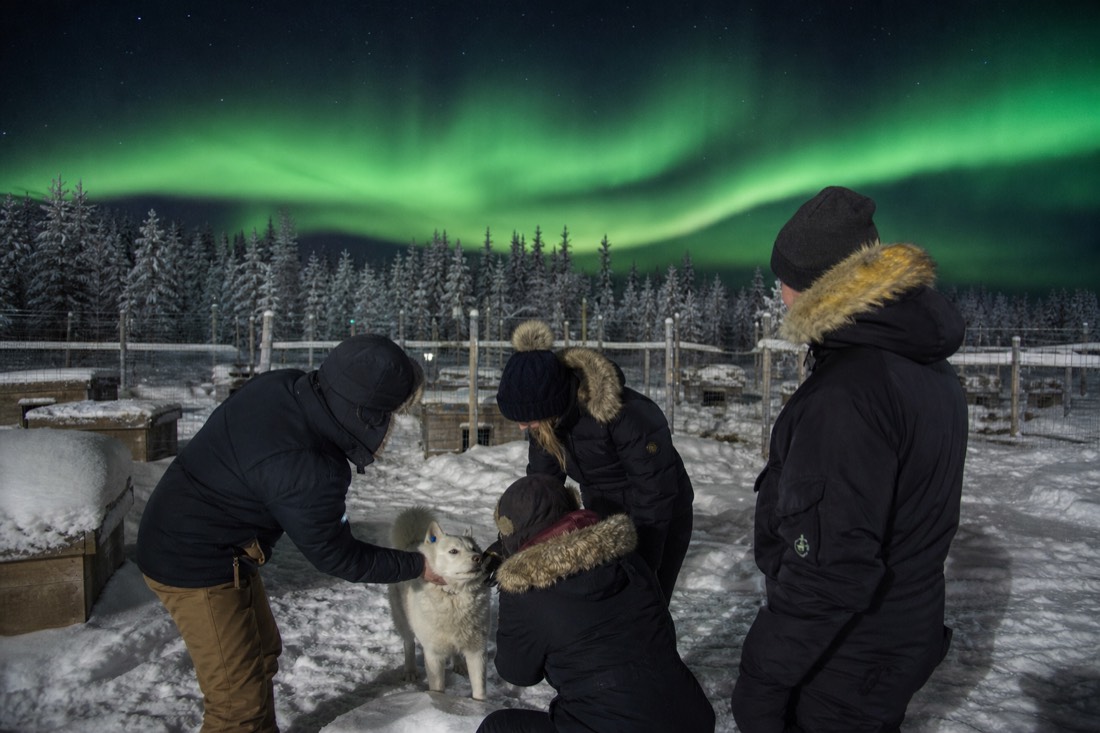
I get asked to pick a winner constantly, and the honest answer is that they are different mornings. Here is the whole comparison in one table, real numbers only.
| Traditional Dog Sledding | Enodah Kennel Husky Trip | |
|---|---|---|
| Operator | North of 60 Aurora Adventures | Yellowknife Tours Ltd |
| Rating | 4.8 across 23 Viator reviews | 4.9 across 53 Viator reviews |
| Length | 2 hours | 3 hours |
| Ride time | About 25 minutes | About 20 minutes |
| Group size | Max 24 | Max 14 |
| The extra | Dene storytelling, bannock, axe throwing (CAD 15) | Kennel tour, more hands-on dog time, team photos |
| Cancellation | Free up to 24 hours | Non-refundable |
That last row matters more than any other. The kennel trip is non-refundable from the moment you book, so it belongs on the fixed, certain day of your itinerary, not the flexible one. Yellowknife weather rarely cancels a dog morning, but flights do get missed. Compare both listings side by side on the dog sledding tours page, or go straight to the traditional trip and check live availability and prices on Viator. The kennel alternative has its own listing here if more dog time is the priority.
How cold is a dog sledding morning, really?
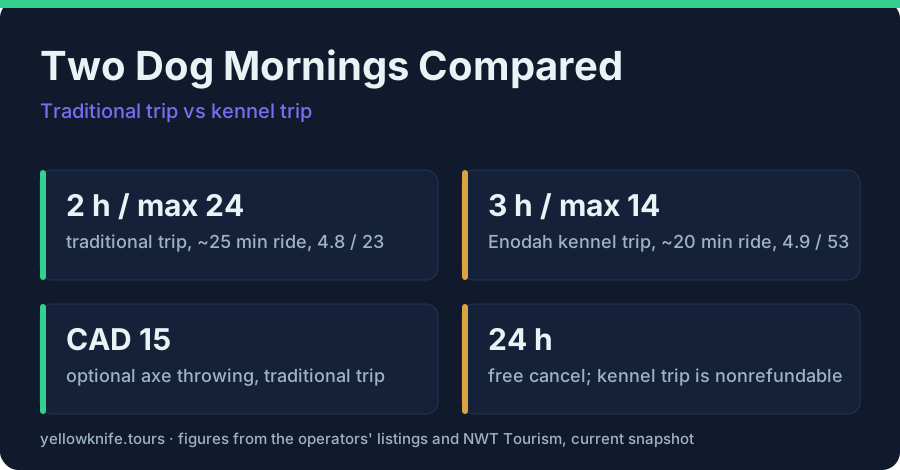
Cold enough to respect, mild enough to love. Daytime runs are warmer than midnight aurora hunts, but January highs still average around minus 21.6 with nights near minus 29, and you stand still while the dogs do the work. Dress like you mean it and the morning is pure joy.
The record here is minus 51.2, set back in 1947 and dug out of the archives by Cabin Radio, and while no tour runs in anything like that, the number is a useful reminder of what this climate can do. Normal dog-sledding weather sits in the minus teens to minus twenties. On the sled you make your own wind, which bites more than the thermometer suggests.
| If the day reads | On the sled it feels like | What handles it |
|---|---|---|
| Minus 10 to minus 15 | Brisk, easy | Your own ski gear plus good mitts |
| Minus 20 to minus 25 | Sharp, especially moving | Rental parka, insulated boots |
| Minus 30 and below | Serious, short exposures | Full arctic rental kit, face cover |
Several operators in town rent full arctic kits, parka, pants, boots, and mitts, so nobody needs to buy gear for one trip. The full run-down lives in the what to wear in a Yellowknife winter guide, and if you want to understand the sensation before you commit, I wrote about what minus 30 actually feels like at some length.
If you are building a bigger winter itinerary around the dogs, the things to do in a Yellowknife winter guide slots the whole week together, sleds, snow castles, and midnight skies included. My only firm advice: do the dogs in daylight, save your nights for the aurora, and eat the second piece of bannock. You will not regret any of the three.