Things to Do in Yellowknife in Winter (The Honest Day-Stack)
Winter days here stack in a particular way, tours and festivals by day, aurora by night, everything planned around the cold. Here is the honest version of what fills a Yellowknife winter trip.
 Written with Thomas Beaulieu, Yellowknife tour guide & northern lights specialist
Short answer
Build days around the tour anchors, dog sledding, snowmobiling, ice fishing, and a city tour by day, aurora hunting by night. Fill the gaps with free sights like the Heritage Centre and Bush Pilots Monument, the SnowKing festival in March, the Dettah ice road, and Cameron Falls.
By mid-January the sun here works a short shift, and people assume the town does too. The opposite is true. Winter is Yellowknife's busy season, and my problem as a guide is rarely finding guests something to do, it is talking them out of stacking three activities onto a day that ends with a 2am aurora return. So here is the honest day-stack: what anchors the days, what fills the gaps for free, and how to plan around the cold instead of against it.
What is there actually to do in Yellowknife in winter?
Plenty, but it stacks in a pattern. Nights belong to the aurora, roughly 9:30pm to 2:30am on a tour. Days belong to dog sledding, snowmobiling, ice fishing, and city sights. Free attractions, the March festival, and two self-drive trips fill whatever is left, cold permitting.
The trap is treating this like a city-break checklist. It is not a big town. What it has is a short list of genuinely excellent things, each shaped by the season, and a night sky that outranks all of them. The skeleton of a good trip looks like this:
| Slot | The anchor | Booked or free |
|---|---|---|
| Morning | Slow start after aurora nights, breakfast, gear rental | Free |
| Midday | Dog sledding, snowmobile, or ice fishing | Booked tour |
| Afternoon | City tour, Heritage Centre, Old Town walk | Booked or free |
| Evening | Dinner downtown, warm up, layer up | Free |
| 9:30pm-2:30am | Aurora hunting | Booked tour |
Everything below expands one row of that table. The one rule I hold guests to: never book a morning activity for the day after an aurora night. The lights peak near midnight and the vans drop you back between 1:30 and 2:30am. Respect that and the whole trip works.
Which daytime tours are worth building days around?
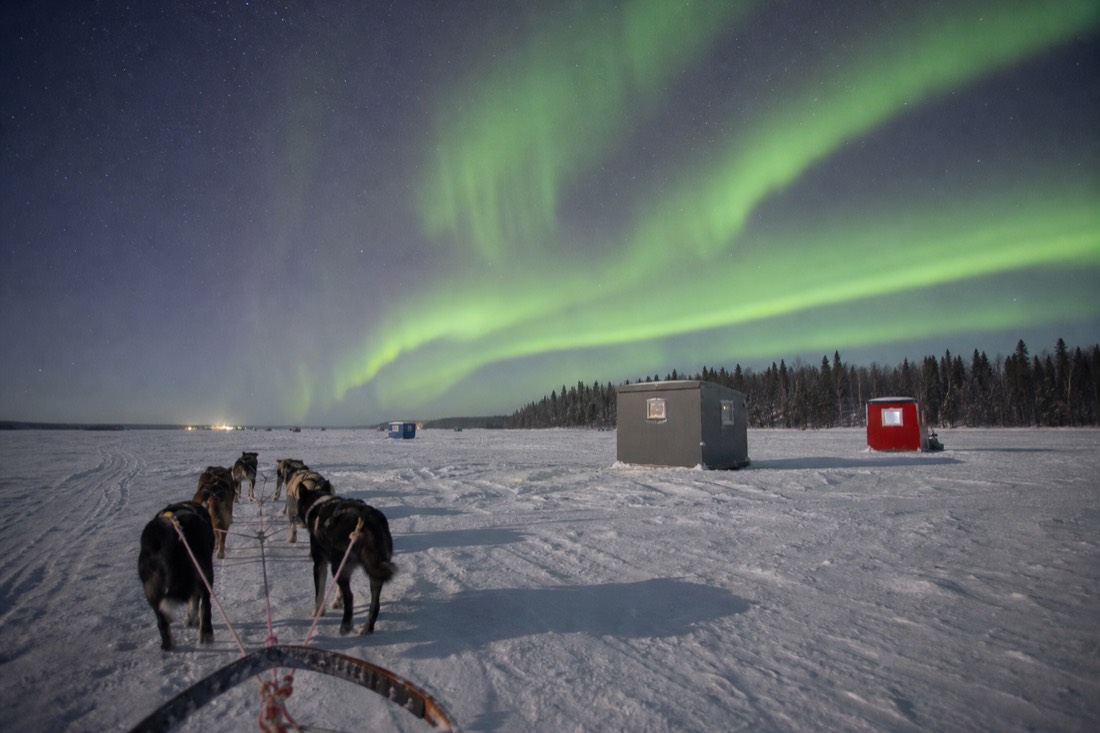
Four kinds: dog sledding with real working kennels, a beginner-friendly snowmobile ride, ice fishing from heated huts on Great Slave Lake with your catch cooked for lunch, and a city tour that strings the sights together warm. Each runs two to four hours, so two can share a day if you pace it.
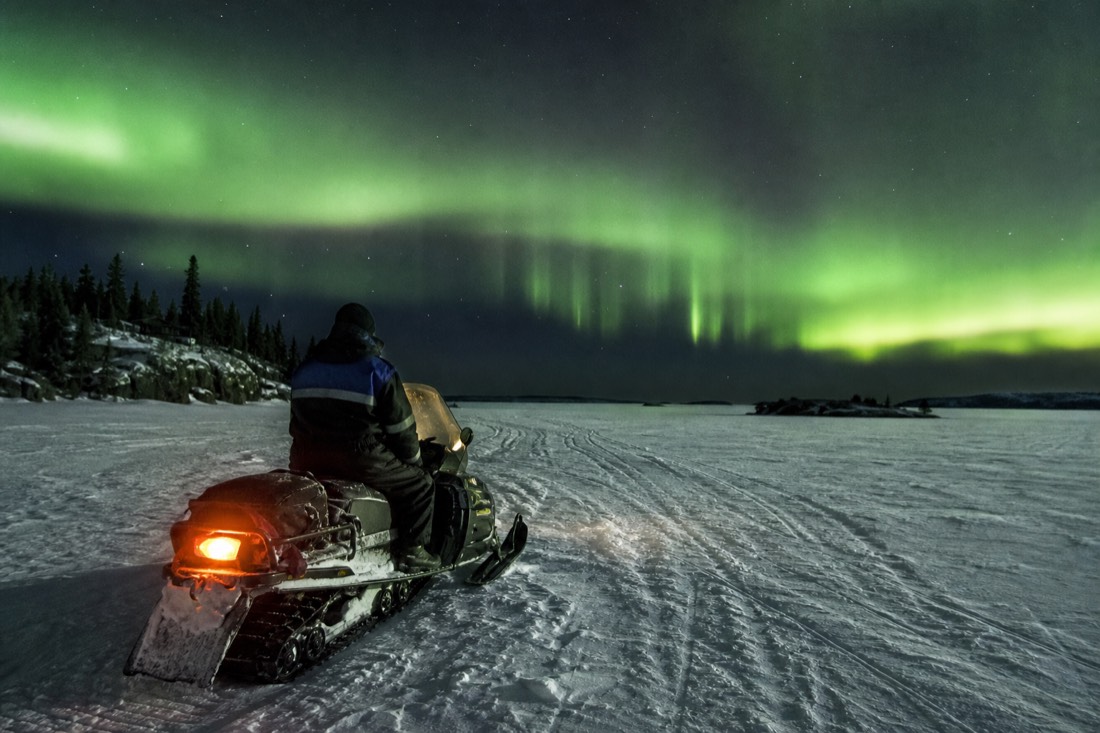
These are the paid anchors, with the honest numbers from the listings:
| Tour | Duration | Group cap | Worth knowing |
|---|---|---|---|
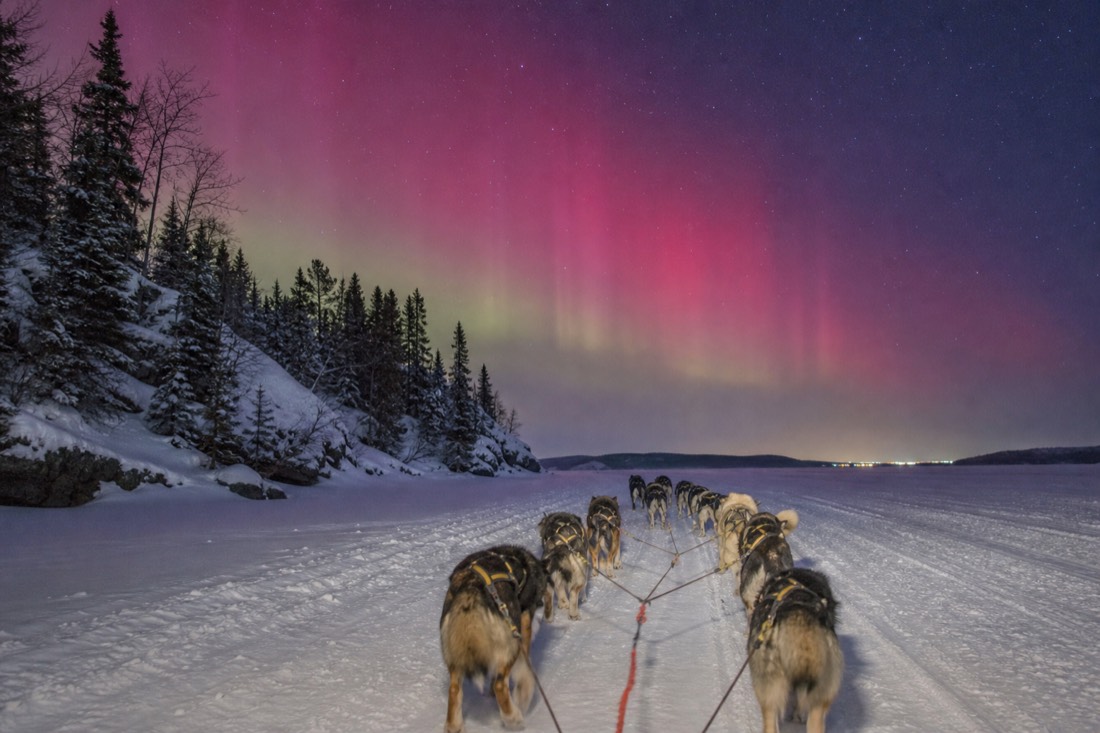
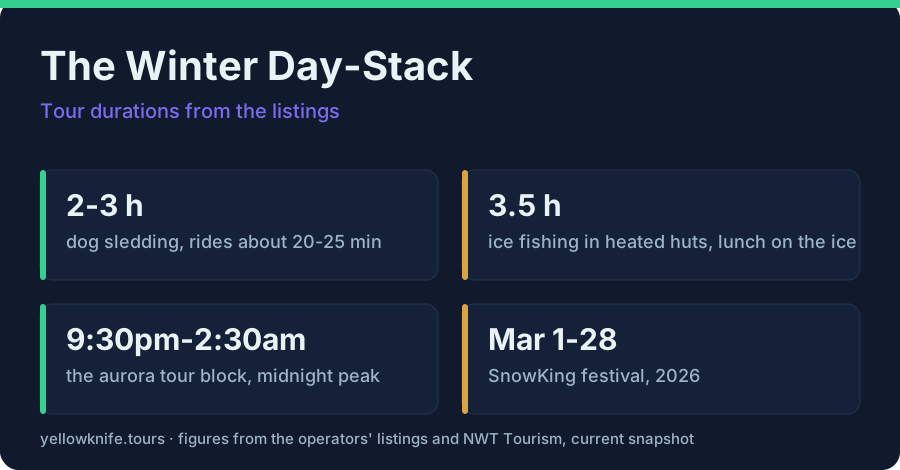
| Husky sledding at Enodah kennel | 3 h | 14 | Kennel visit plus a ~20 min ride, non-refundable |
| Traditional Dene dog sledding | 2 h | 24 | ~25 min ride, storytelling, fresh bannock |
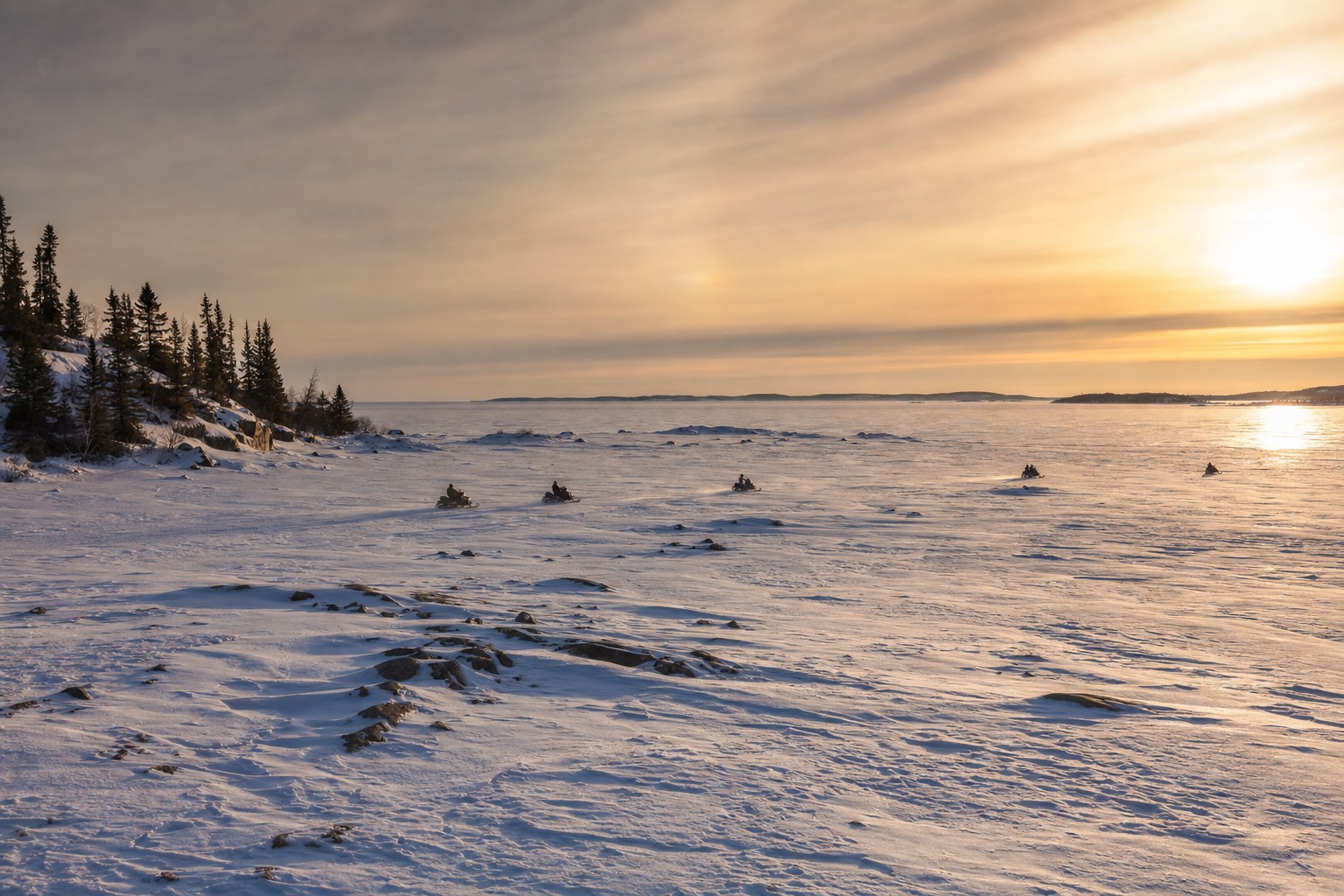
| Beginner snowmobile adventure | 2 h | 15 | 50-60 min of riding, heated handlebars |
| Ice fishing with lunch | 3.5 h | 16 | Heated huts, catch cooked on the ice, licence ~CA$15 extra |
| City and sights tours | 1-4 h | 14-23 | Old Town, monuments, Heritage Centre, warm vehicle |
Dog sledding is the emotional pick, and the two versions differ more than people expect, one is kennel-life first, the other is Dene storytelling and bannock. Ice fishing is the sleeper hit for anyone who likes their adventure with lunch attached, and yes, the territorial fishing licence is a real extra at about CA$15. The snowmobile ride is the adrenaline slot, and the numbers back it up: it is the most-reviewed tour in the city at 4.9 across 407 reviews, built for first-timers, with most of the two hours actually spent riding. Compare it against the rest of the winter lineup and check live snowmobile availability and prices on Viator before your afternoons fill. One honest caveat from the listing: it is not suitable for pregnant travelers or people with back problems.
Nights, meanwhile, belong to the aurora tours, whatever the day held.
What can you do in Yellowknife for free?
A surprising amount. The Legislative Assembly and the Prince of Wales Northern Heritage Centre both have free admission, the Bush Pilots Monument gives you the best view in town for the cost of a staircase, and Ragged Ass Road carries the territory's most famous street name.
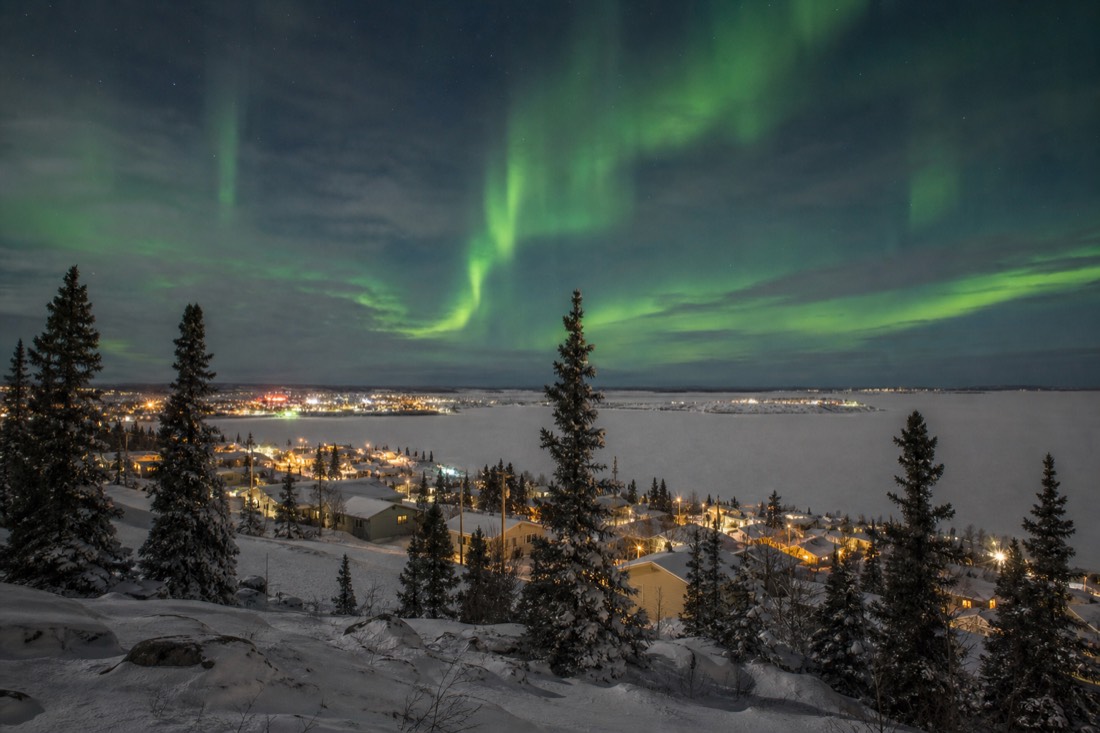
The free layer is what keeps a Yellowknife trip from becoming a string of receipts. The Heritage Centre is a genuine museum, northern history, Dene culture, bush-plane lore, and it costs nothing. The Legislative Assembly is the territory's seat of government and welcomes visitors free as well. Down in Old Town, the Bush Pilots Monument staircase climbs to a lookout over the frozen bay and its houseboats, and Ragged Ass Road sits a couple of minutes away on foot.
| Free sight | Paid upgrade of the same idea |
|---|---|
| Heritage Centre and Legislative Assembly on your own | City tour with a guide stringing them together warm |
| Bush Pilots Monument climb | Old Town stories on a guided city and culture tour |
| Watching aurora from any dark edge of town | A tour van chasing clear sky with a photographer |
| Walking onto the bay ice near Old Town | Ice fishing from a heated hut with lunch |
The honest fine print: at minus 25, self-guided sightseeing happens in short bursts between warm buildings. That is exactly why the city tours exist, same sights, heated vehicle, local commentary, and some versions include admissions where they apply.
What is the SnowKing Winter Festival?
A castle built of snow on the frozen bay, every March. The SnowKing and his crew raise a new one each year and keep it open through a month of March festivities. The 2026 festival runs March 1 to 28, and it is the single best free-spirited thing on the winter calendar.
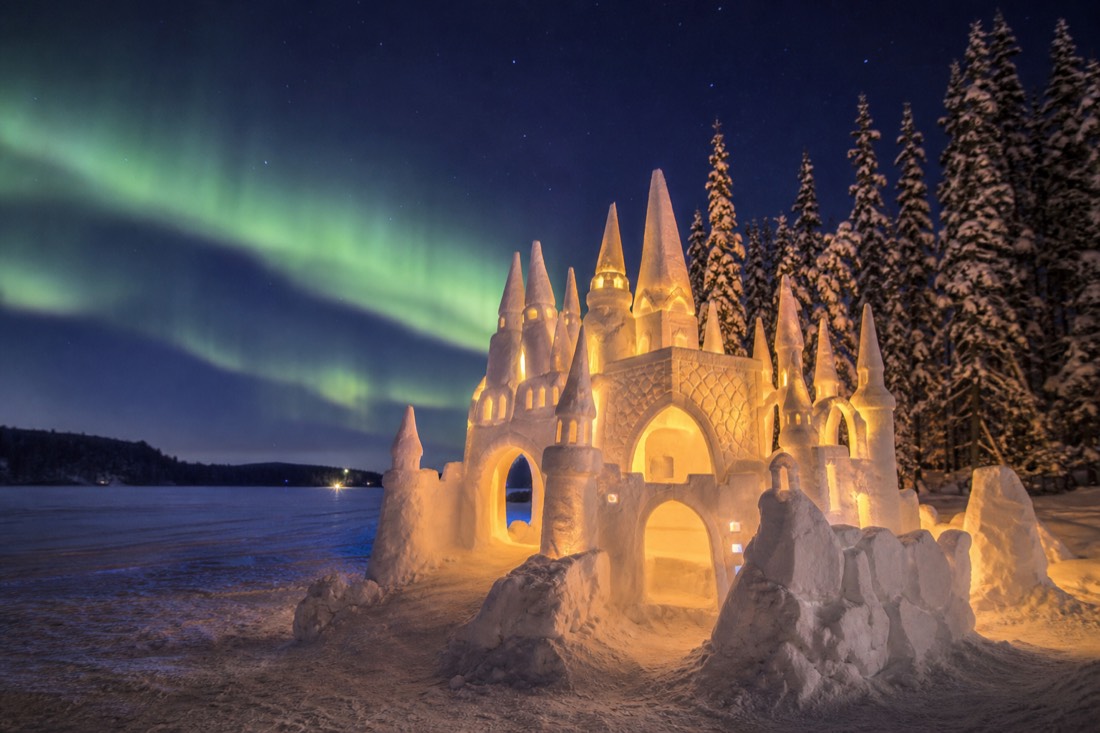
March is my favourite month to guide, longer daylight, softer cold, aurora season still on, and the castle rising out on Yellowknife Bay. It has run every March for years and the official festival site posts each season's dates, with March 1 to 28 confirmed for 2026 and the same window announced for 2027. If your dates are flexible and the aurora is the main event anyway, aiming for early March buys you the castle for free alongside everything else. The full experience gets its own write-up in the SnowKing festival post.
Can you drive the Dettah ice road yourself?
Yes. The Dettah ice road is a public road across the frozen bay, about 6.5 kilometres long, typically open from late December to mid-April. Regular cars drive it every day to the Yellowknives Dene community of Dettah, and rolling onto lake ice behind your own steering wheel is unforgettable.
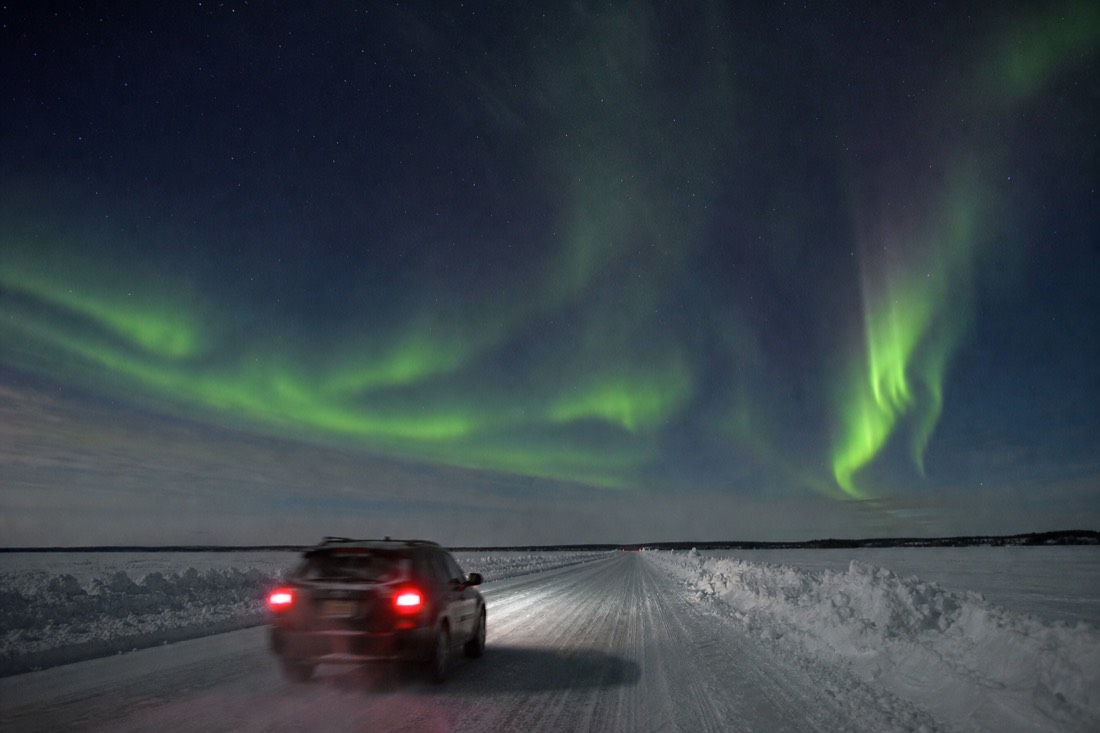
This is the cheapest big experience in town if you have a rental car: an official road plowed straight across Great Slave Lake, the deepest lake in North America at 614 metres. The road crosses the frozen bay, but the knowledge of what the lake is does something to the drive. Dettah is a Yellowknives Dene First Nation community, a real place where people live, not an attraction, so drive it respectfully. Season dates move with the ice; late December to mid-April is typical, and the crossing itself is short. I wrote up the whole experience, nerves and all, in driving the Dettah ice road.
Is Cameron Falls worth it in winter?
Yes, if you have wheels and a mild-ish day. The falls sit in Hidden Lake Territorial Park off the Ingraham Trail, about 46 kilometres and 45 minutes from town, with a walking trail to a frozen waterfall that looks nothing like it does in summer. Save it for your warmest daylight window.
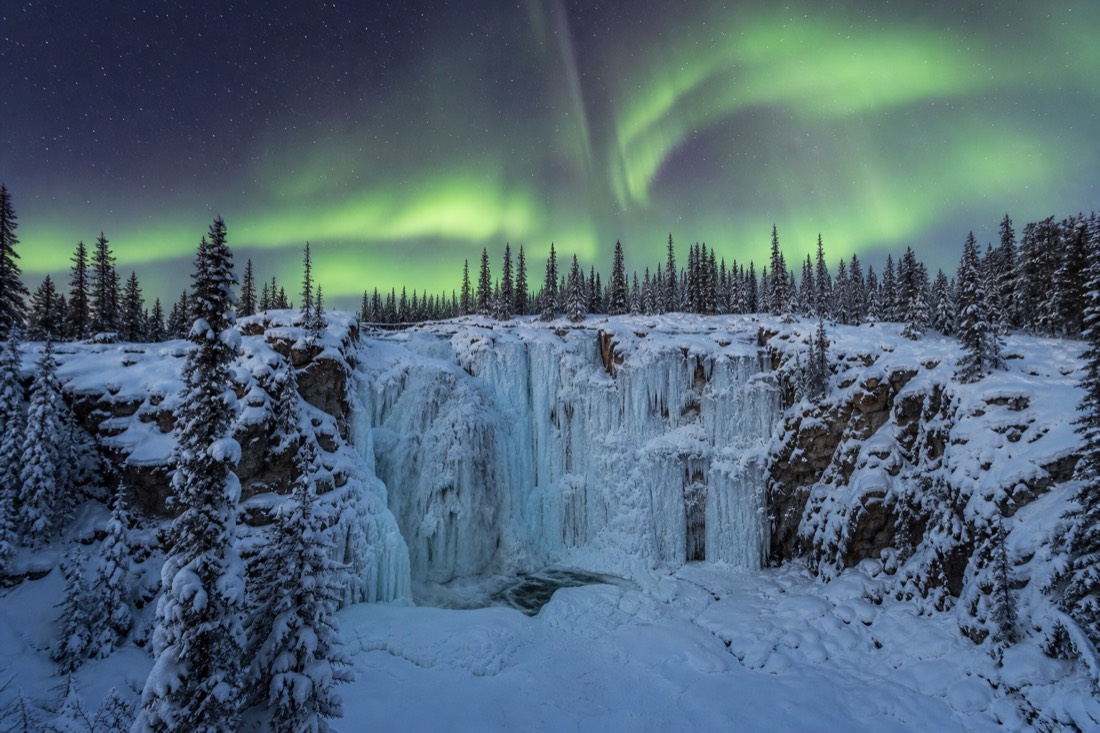
The Ingraham Trail is the road that aurora tours use to reach dark sky, and in daylight it is the locals' playground of lakes and trails. Cameron Falls is its best short outing, a marked trail to a waterfall that winter turns into sculpted ice. Two cautions from experience. First, this is a self-reliant trip: dress like you mean it, tell someone where you went, and keep the walk within your group's ability, because the trailhead has no services. Second, check daylight. In deep winter the good light is a narrow midday band, and you want the drive and the walk inside it.
How do you plan a cold day against a mild day?
Check the forecast each morning and sort your list by exposure. Minus 30 days go to heated things, city tours, museums, ice-fishing huts, restaurants. Milder days, say minus 15, take the long outdoor stuff, snowmobiles, sled dogs, Cameron Falls, the ice road. Aurora tours run regardless, the vans are warm.
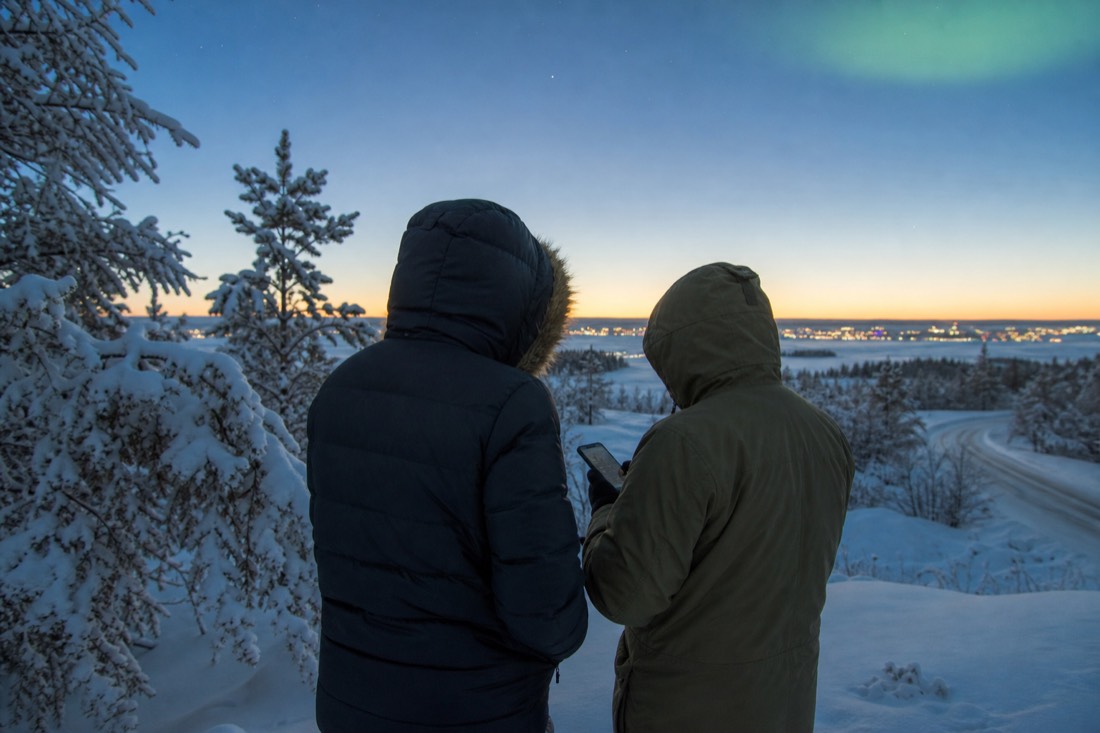
January highs average around minus 21.6C and minus 30 genuinely happens, so a smart trip holds its plans loosely. Operators already build for the cold, heated vans, heated huts, heated handlebars, arctic gear rental in town, which is why the tours run on days that would cancel activities elsewhere. The layering answer, rentals included, lives in what to wear in winter.
| Slot | Minus 30 day | Minus 15 day |
|---|---|---|
| Morning | Heritage Centre, coffee, gear rental | Dettah ice road drive |
| Midday | Ice fishing from a heated hut | Snowmobile or dog sledding |
| Afternoon | City tour in a warm vehicle | Cameron Falls walk in the midday light |
| Evening | Long dinner, early rest | Old Town stroll, Bush Pilots Monument at dusk |
| Night | Aurora tour, runs as normal | Aurora tour, runs as normal |
Which Yellowknife winter activities run in which month?
Not all of them run all winter. The aurora season opens in mid-November and closes in early April, dog sledding and ice fishing work from November through March, the Dettah ice road waits for thick ice and opens late December, and SnowKing owns the whole of March. Choose your month by what you want most.
| Month | Daily mean | True darkness a night | What is running, what is not |
|---|---|---|---|
| November | minus 12.6C | about 11h30m | Aurora season opens mid-month, kennels and fishing huts working, no ice road yet |
| December | minus 21.8C | about 12h45m | The darkest nights of the year, ice road opens late in the month |
| January | minus 25.5C | about 12h | Coldest month, first full month with every winter anchor available |
| February | minus 22.7C | about 10h | Cold easing, darkness shrinking fast, ice road solid |
| March | minus 16.6C | about 7h | SnowKing all month, mildest cold of the winter, aurora still on |
Two clocks run this calendar and they do not start together. Darkness arrives first, ice second, and nearly every one of the Yellowknife winter activities above hangs on one or the other. By mid-November there is enough true dark for the aurora tours to start, the kennels are harnessing dogs, and the huts are out on safe ice, which makes November in Yellowknife the underrated month: a daily mean near minus 12.6C is genuinely mild by local standards. The bay is another story. It is still thickening, so the Dettah ice road stays shut. Any November itinerary that promises you a drive across the lake is promising something that does not exist yet.
Then the dark deepens. Yellowknife in December hands over close to 12 hours 45 minutes of true astronomical darkness a night, the most of any month, and charges a daily mean of minus 21.8C for it. The ice road usually opens in the last stretch of the year, so a late-December visitor often gets the drive while an early-December one does not. January in Yellowknife is the coldest thing this town does, a daily mean of minus 25.5C with nights averaging near minus 29, which is what that friendlier minus 21.6C average high looks like once you count the small hours. By February in Yellowknife the cold has eased to minus 22.7C and the light comes back quickly, though ten hours of true darkness a night is still more than any tour will use.
March is the month I recommend when someone has a free choice of dates. The cold softens to a mean of minus 16.6C, the castle stands out on the bay for the whole festival, and roughly seven hours of true darkness still covers a 9:30pm to 2:30am aurora run with room to spare. What else lands where on the year's calendar, the summer events included, is set out in the guide to Yellowknife festivals.
April unwinds the whole thing, faster than most visitors expect. True astronomical darkness disappears around the 12th to the 14th, which ends the aurora season outright however active the sun happens to be. The ice road holds a little longer, into mid-April, then closes for the year. Sled and hut operations taper off through late March. One outlier runs past all of it: the Indigenous-run sport fishing tour operates January 15 to April 15, the last winter experience still standing after the sky has gone bright.
Stack it honestly and four days fills itself: two daytime anchors, the free layer in the gaps, one self-drive outing, and the sky every clear night. The only thing left to sort is the shape of the whole trip, and that is what the aurora itinerary guide is for.