What Minus 30 Feels Like in Yellowknife
A Yellowknife guide describes real minus 30: the nostril freeze, eyelash frost, squeaking snow, dying phones, and how visitors genuinely learn to enjoy the cold.
 By Thomas Beaulieu, Yellowknife tour guide & northern lights specialist
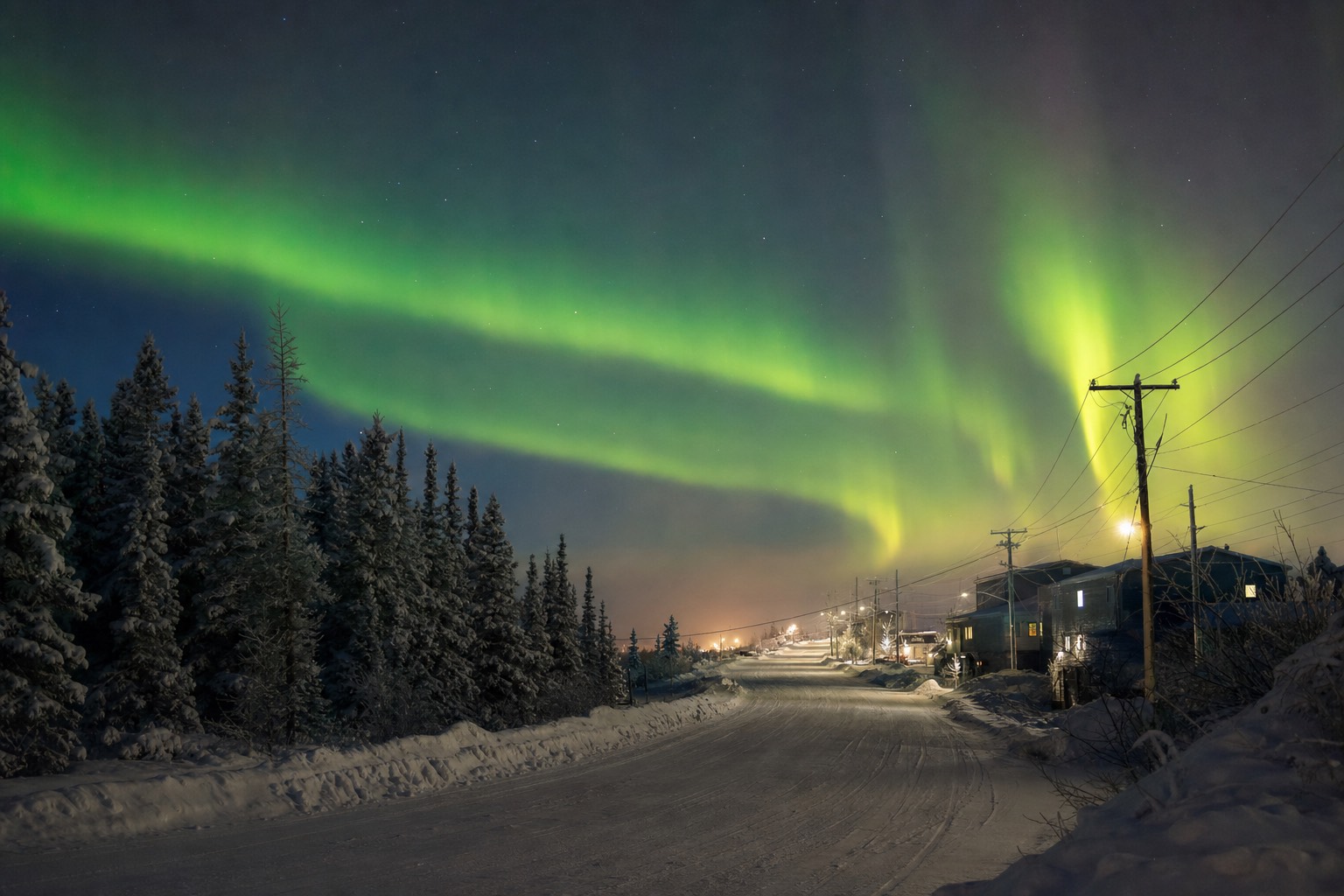
The first breath tells you. You step out of the hotel lobby, inhale, and somewhere inside your nose there is a tiny crackle, like static, as the moisture in your nostrils freezes on contact. Every guest does the same double-take. That crackle is the north's handshake, and it means the thermometer has gone somewhere your body has no filed memory of. I have guided through four winters here, and I still notice the handshake every single time.
What does minus 30 do to your body in the first minute?
Small, strange things before any real cold registers. Nostril hairs freeze on the first breath and crackle when you sniff. Exposed eyelashes collect white frost within minutes and stick lightly when you blink. Your cheeks tighten. None of it hurts yet; your body is simply taking inventory of a new situation.
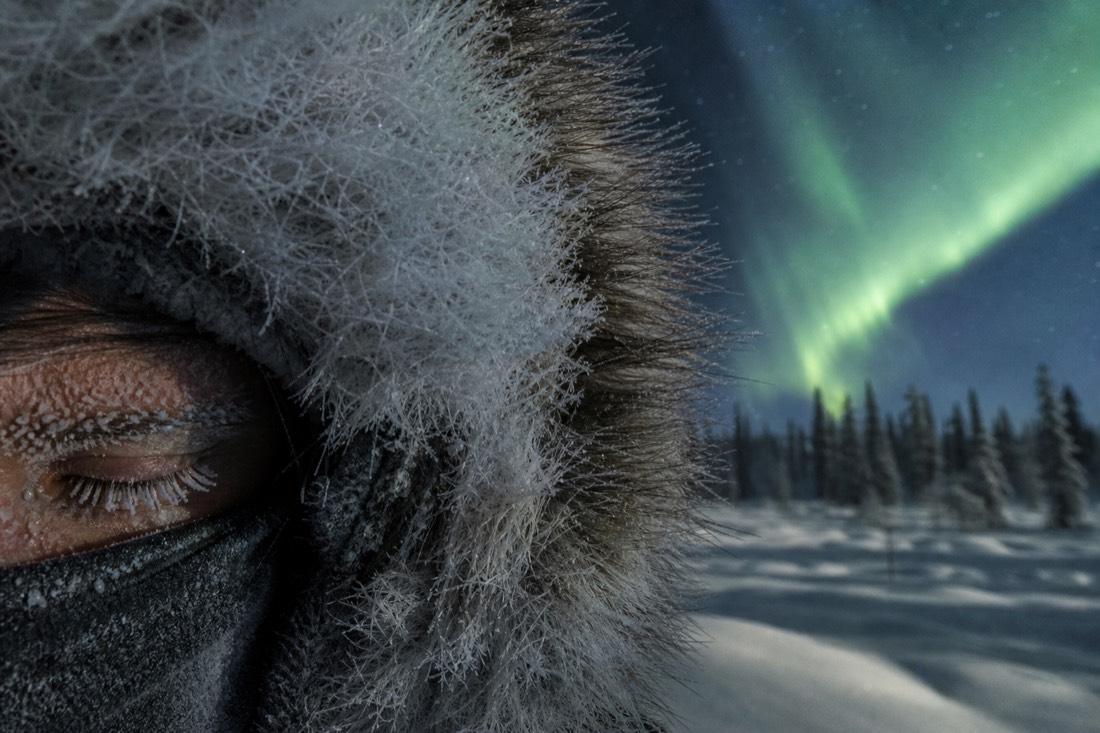
The eyelash frost is everyone's favourite discovery. Ten minutes outside and you look like a wildlife documentary subject, white-lashed and steaming. Breath freezes into your scarf until it stands up on its own. If your hair is out of the hood, it silvers. Guests photograph each other constantly during this phase, because the transformation is genuinely beautiful and costs nothing but ten minutes of standing around.
The trick is understanding that cold arrives on a schedule. It does not hit you all at once; it works through your gear layer by layer, and how long that takes depends entirely on what you are wearing and whether the air is moving.
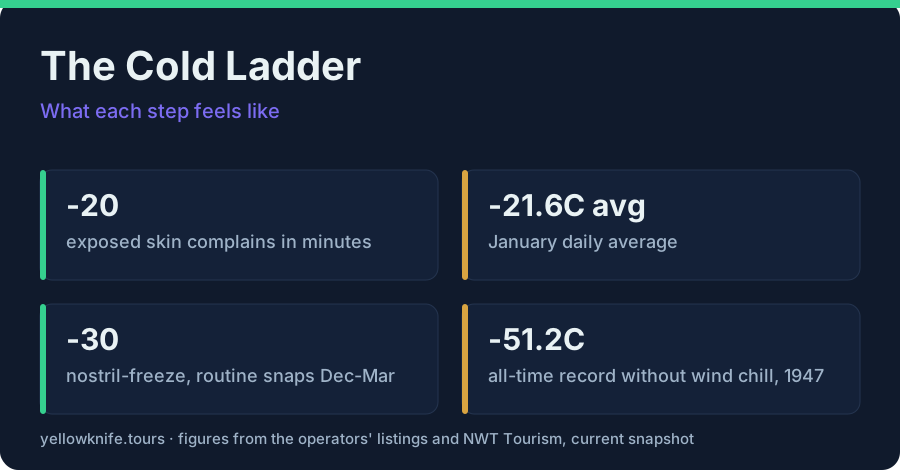
| Temperature | What it honestly feels like |
|---|---|
| Minus 10 | A crisp ski day. Locals in light jackets |
| Minus 20 | Serious. Exposed skin complains within minutes |
| Minus 30 | The nostril crackle. Everything must be covered |
| Minus 40 and below | Rare, hostile, weirdly thrilling. Errands only, fast |
Why does the snow squeak when it gets this cold?
Because it is too cold to melt. At mild temperatures your boot briefly melts a microscopic film of water and the snow compresses silently. Around minus 30 no melting happens at all; the dry crystals grind against each other instead, and every footstep comes out as a loud, styrofoam squeak.
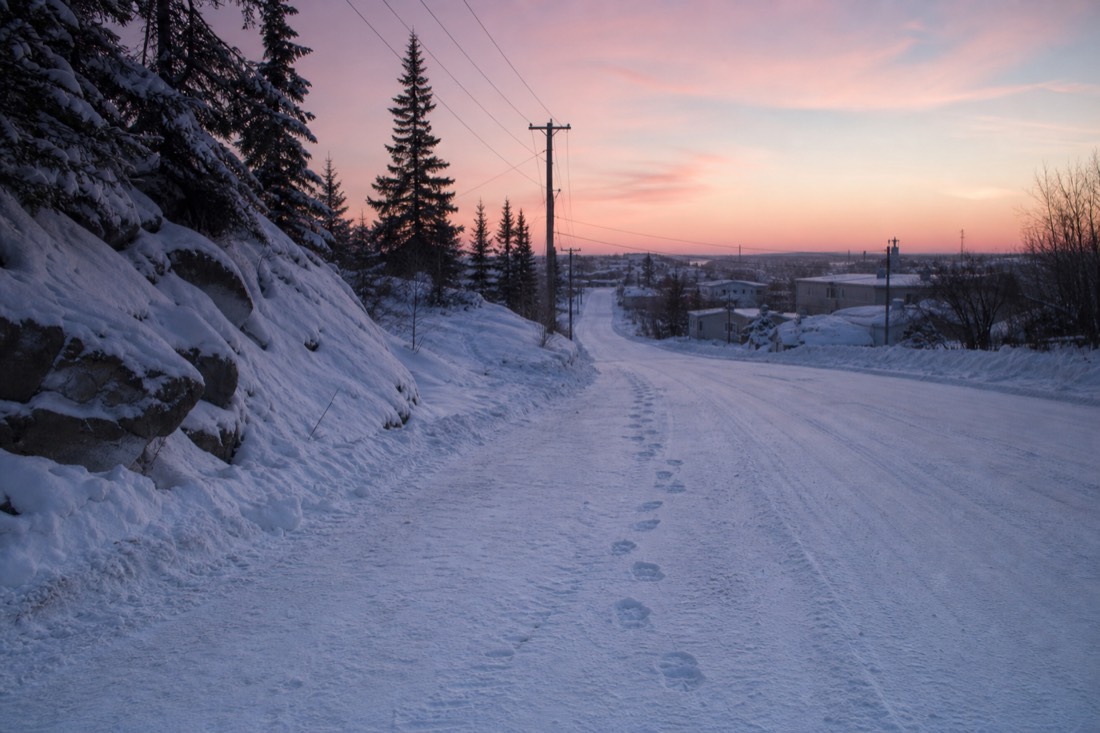
The squeak is the soundtrack of a Yellowknife deep freeze, and locals can genuinely estimate the temperature by pitch. Higher and drier means colder. There are other tells too. Car exhaust stands in vertical columns because the air refuses to move it. Ice fog hangs over town at dawn. Sound carries strangely far; you can hear a truck door slam three streets away, because the cold air sits dense and still and passes every noise along like a rumour.
And that stillness is the secret the numbers never show. Minus 30 in still air is entirely manageable in good gear. Minus 20 with wind in your face on a moving sled bites far harder. Ask anyone who has read my account of a 2am aurora hunt: the cold that gets you is almost never the headline figure, it is the moving air you did not plan for.
How cold does Yellowknife actually get, on the record?
January is the coldest month: highs average around minus 21.6, the daily mean sits near minus 25.5, and nighttime lows average near minus 29. Through December to March, below minus 20 at night is routine and minus 30 happens. The all-time record without wind chill is minus 51.2, set in 1947 and never beaten since.
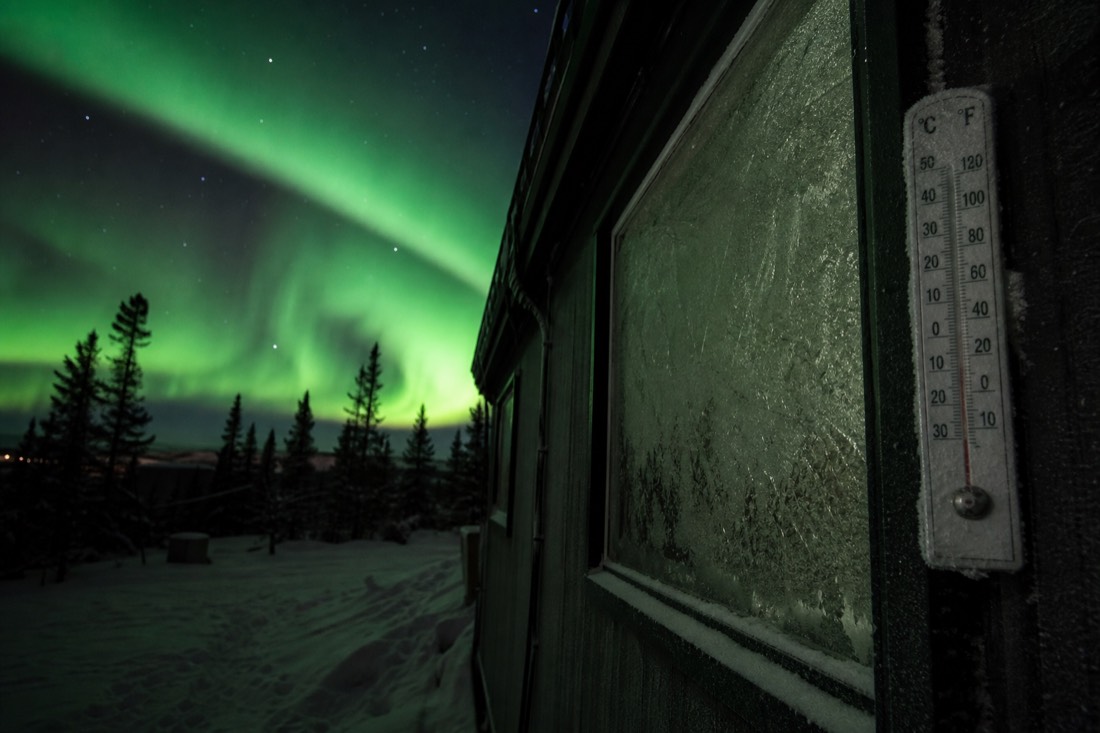
The numbers deserve a moment of respect, because they are the real thing rather than brochure fog.
| January in Yellowknife | Figure |
|---|---|
| Average daytime high | Around minus 21.6 |
| Daily mean | Near minus 25.5 |
| Average nighttime low | Around minus 29 |
| Routine winter nights, Dec to Mar | Below minus 20 |
| All-time record, no wind chill | Minus 51.2 (1947) |
That record is a great story in itself: Cabin Radio dug through the archives to pin down just how cold this town has really been, and 1947's minus 51.2 still stands. For the present tense, the city keeps a live weather and aurora page that guests refresh obsessively their first morning and never again after, because by day two the number has stopped being scary. The deeper dive into the climate lives in the how cold does it get in Yellowknife guide.
One practical warning belongs here: your phone will lie down and die. Lithium batteries loathe deep cold, and a phone reading 60% can black out in minutes when the frost reaches it. Keep it in an inside pocket against your body heat, and bring a camera battery spare if photos matter to you. Locals do not carry their phones in outer pockets between November and March, and now you know why.
How do locals get dressed in five minutes flat?
Practice, and a system. Locals keep the same kit by the same door all winter: base layer, insulated pants, parka, boots, mitts over gloves, tube scarf, toque. No decisions, no searching, no cotton anywhere. Visitors spend twenty minutes agonizing over layers; residents are outside before the truck finishes warming.
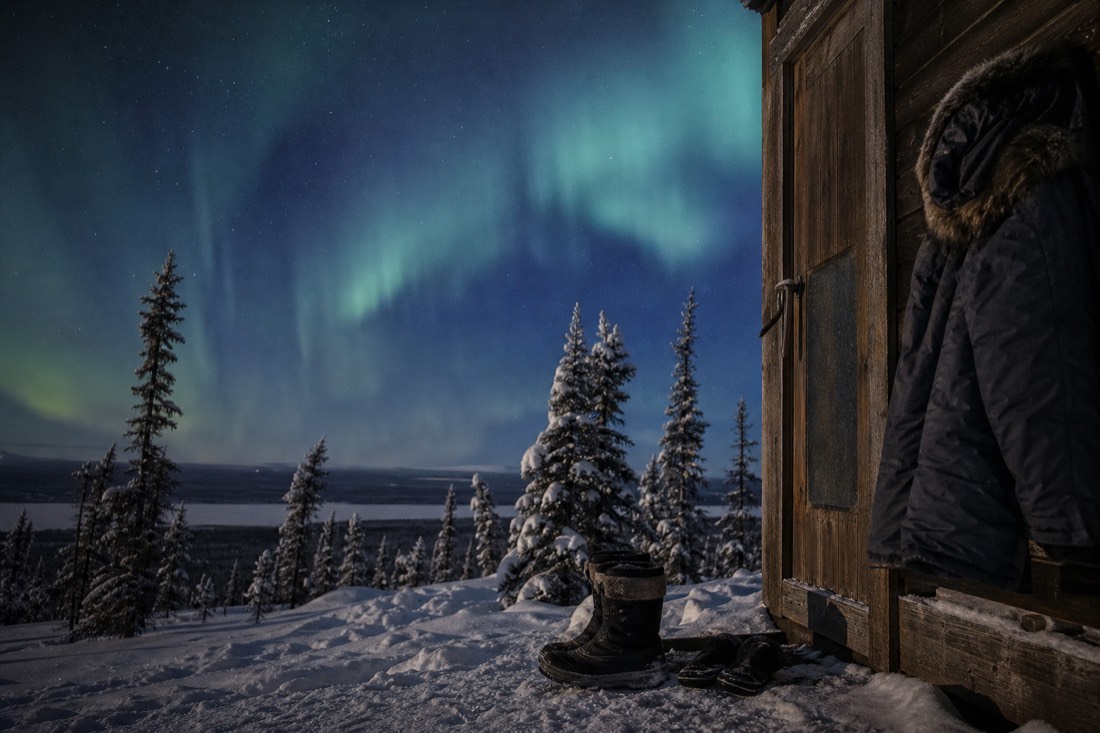
Watching a local leave the house at minus 30 is like watching a firefighter respond to a call. Every item lives in one spot and goes on in one order, and the order matters: boots before parka, mitts last, hood up before the door opens. There is no bravery involved and no suffering either. Deep cold punishes improvisation, so the town simply engineered improvisation out of the morning.
Visitors get to shortcut all of this. Several operators in town rent full arctic kits, parka, pants, boots, and mitts, sized on the spot, which means your airline luggage does not need to solve a problem the town already solved. This piece is deliberately not a packing list; the what to wear in a Yellowknife winter guide handles the layer-by-layer detail. What I will say is this: in the rental parka, minus 30 stops being an ordeal and becomes a place. That change happens fast, usually on day one.
Can you honestly learn to enjoy minus 30?
Yes, and most visitors do, usually by day two. The formula is rented arctic gear, heated everything between exposures, and respect for moving air. Once you are warm, minus 30 turns spectacular: squeaking snow, ice fog, diamond air, and the smugness of being comfortable somewhere your friends would not last ten minutes.
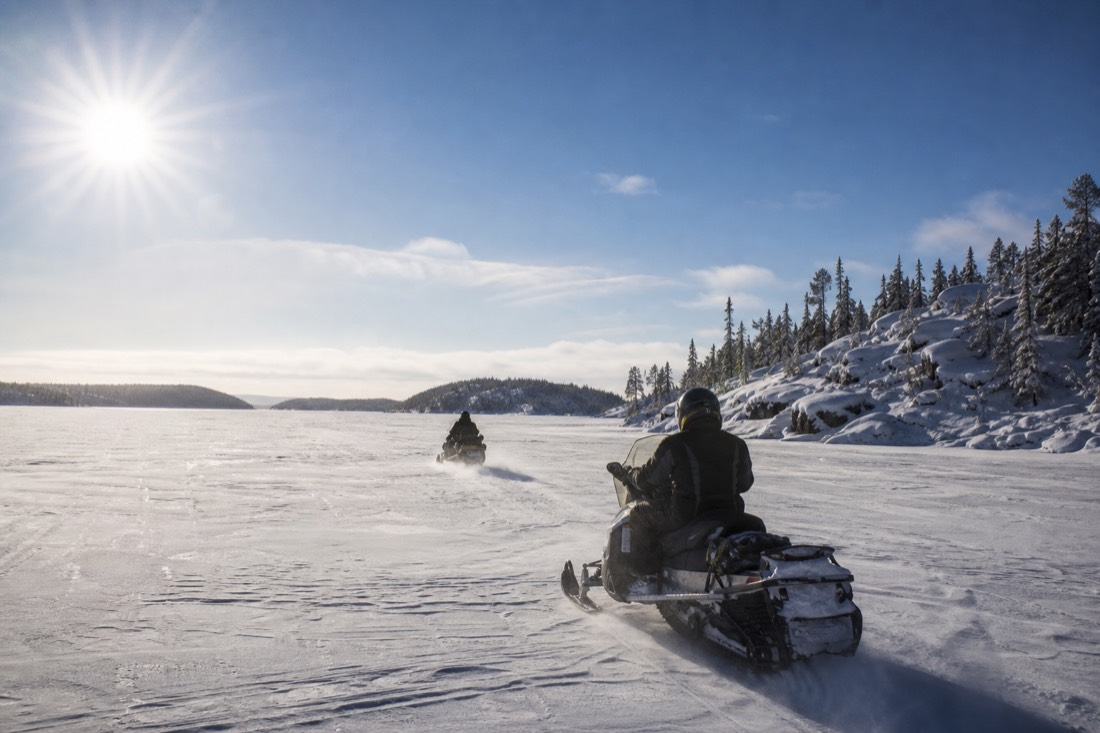
The town is quietly built as a chain of warm rooms, and every tour runs on the same principle: exposure in doses, warmth on tap.
| Heated thing | Where you meet it |
|---|---|
| Vans | Aurora hunts, running at every viewpoint stop |
| Huts | Ice fishing on Great Slave Lake |
| Lodge | Aurora lodge near Madeline Lake, games and WiFi inside |
| Handlebars | Snowmobiles, warming your grip for the whole ride |
That last row is my favourite piece of northern engineering, and it belongs to the most-reviewed tour in the city. The beginner snowmobile trip runs two hours with 50 to 60 minutes of actual riding across trails and lake ice, carries a 4.9 rating over 407 reviews, and rents you the outer gear if you need it. It is also the fastest way I know to convert a cold-fearing visitor into a person grinning inside a frosted helmet. See where it fits among every winter trip we recommend, or check live availability and prices on Viator. One honest caveat from the listing: it is not suitable during pregnancy or with back problems, because lake ice is not a smooth road.
Here is the thing nobody tells you before your first deep-freeze morning: the cold becomes a souvenir. Guests who spent day one afraid of the thermometer spend day three bragging into their phones from a heated hut on the lake, and they fly home telling the minus 30 story before the aurora story. The north gives you both. One lights up the sky. The other one crackles in your nose, and you will miss it more than you expect.