How Cold Does It Get in Yellowknife? The Real Numbers
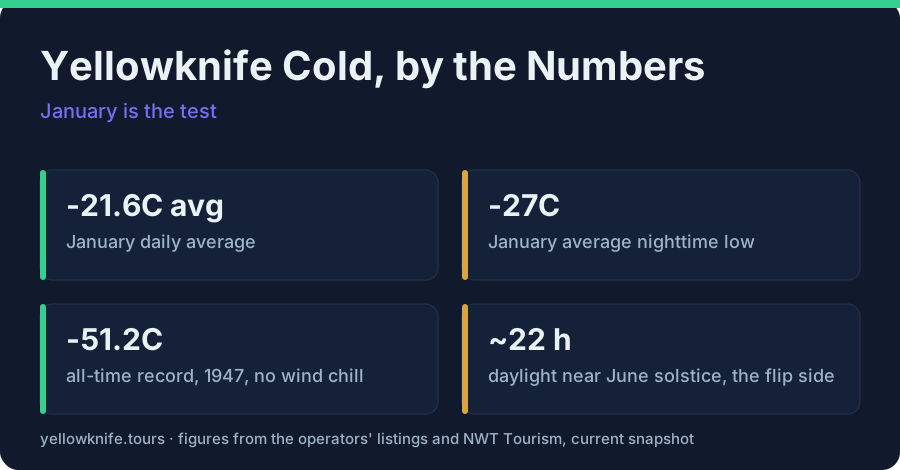
January highs average minus 21.6, nights sit near minus 29, and the all-time record is minus 51.2. Here is what those numbers feel like on your skin, and why the tours never stop.
 Written with Thomas Beaulieu, Yellowknife tour guide & northern lights specialist
Short answer
Seriously cold. January, the coldest month, runs a daily mean of minus 25.5C, with highs averaging minus 21.6C and nighttime lows around minus 29C, and the all-time record without wind chill is minus 51.2C, set in 1947. Yellowknife ranks among Canada's coldest cities, yet winter tourism runs daily on heated vans, huts, and rented arctic clothing.
The first thing guests notice is not the temperature, it is the sound. At minus 30 the snow squeaks under your boots like styrofoam, car tires stay square-bottomed for the first block, and the air itself has a texture when you inhale. I meet people at the airport in January who have read the forecast ten times and still stop dead on the sidewalk. The numbers are real. So is the fact that my tours ran every single day last winter.
How cold does it get in Yellowknife?
Cold enough to be famous for it. January, the coldest month, runs a daily mean near minus 25.5C, with highs averaging minus 21.6C and nighttime lows near minus 29C. From December through March, nights below minus 20 are routine and minus 30 happens. The all-time record without wind chill is minus 51.2C, set back in 1947.
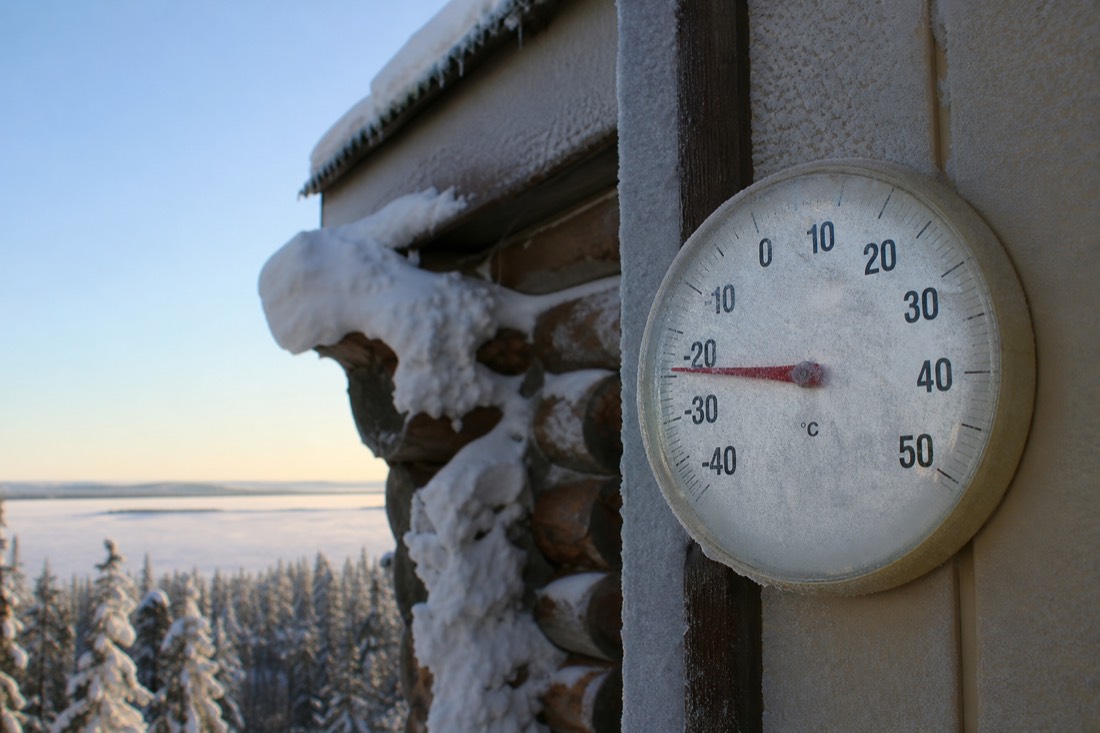
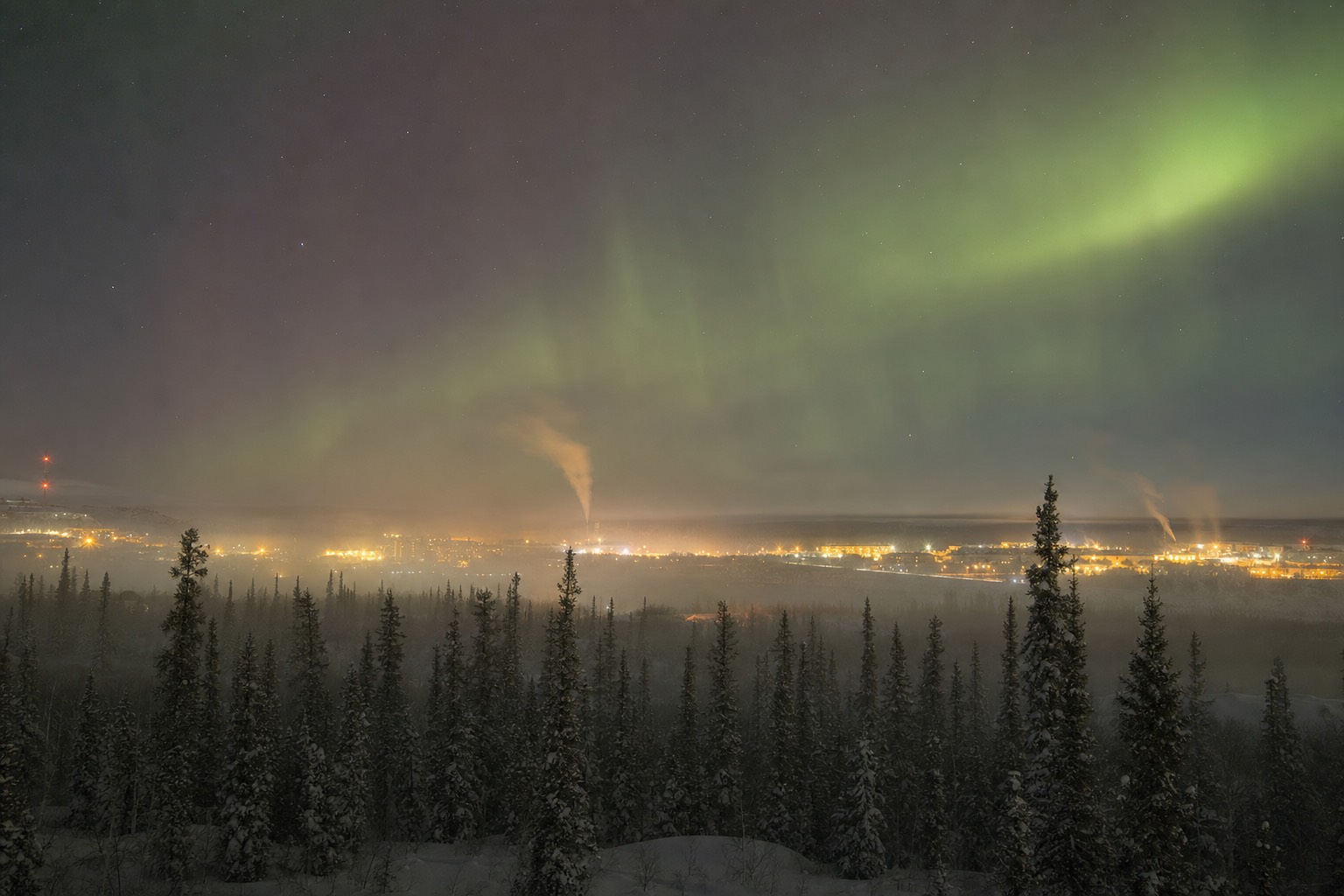
Those are Environment Canada normals, not tourist-board softeners. The record deserves its own sentence: minus 51.2 degrees, recorded in 1947, a number local journalists at Cabin Radio dug back through the data to confirm. Nobody visiting today will meet that. What you will meet, if you come in the deep-winter window, is a steady rhythm of minus 20-something nights under brilliantly clear skies, because the same dry air that freezes your eyelashes also delivers the cloudless nights the aurora needs.
The flip side surprises people just as much. Summer in Yellowknife is genuinely mild, t-shirt afternoons happen, and around the June solstice the sky holds about 20 hours of daylight. This is a city of extremes in both directions, and the season you pick decides which extreme you get.
Is Yellowknife the coldest city in Canada?
It is one of the coldest, and honest people leave it there. Yellowknife's January mean of minus 25.5C and record of minus 51.2C put it firmly in the top tier of cold Canadian cities, but "the coldest" depends on which measure you pick and which winter you sample. Among Canada's coldest is the claim the data supports.
You will see "coldest city in Canada" attached to Yellowknife all over the internet, and I understand the temptation, but rankings like that shift with the metric: coldest winter average, coldest month, coldest recorded extreme, and city-size cutoffs all produce different winners. What no ranking disputes is the tier Yellowknife occupies. A capital city where the January daily mean, not the low, the mean, sits below minus 25 is a rare thing anywhere on Earth. The city is comfortable enough with its reputation that its own weather and aurora page leads with the conditions rather than hiding them.
Here is the practical translation of the tiers of cold you might actually meet, based on what I watch guests experience nightly.
| Temperature | What it actually feels like |
|---|---|
| -10 to -15C | Brisk. A good jacket, hat, and gloves handle it; locals call this mild |
| -20 to -25C | Serious. Exposed skin stings in minutes, eyelashes frost, phone batteries fade fast |
| -25 to -30C | Deep cold. The snow squeaks, breath crackles, you move between heat sources on a schedule |
| Below -30 | Rare-day cold. Everything outdoors happens in short, planned bursts |
| -51.2C (1947 record) | Historical extreme. Nothing in modern visitor season approaches it |
What are Yellowknife temperatures month by month?
Deep cold from December through March, with January the floor at a minus 25.5C daily mean. Shoulder cold in November and April. The autumn aurora season, mid-August to early October, is far milder, and midsummer is genuinely warm with about 20 hours of daylight around the solstice.
I give the year as a feel rather than a fake spreadsheet, anchored to the real numbers where they exist.
| Month | How it feels on the ground |
|---|---|
| January | The floor: highs near minus 21.6C, daily mean minus 25.5C, nights near minus 29C, the coldest stretch of the year |
| February | Still deep winter, below minus 20 at night routinely, but the light returns fast |
| March | Cold but sunnier; festival month, with the SnowKing castle open on the frozen bay |
| April | Winter loosens; the ice road closes around mid-month, aurora season winds down |
| May | Thaw and long light; the aurora is gone by now as nights vanish |
| June | Mild to warm, about 20 hours of daylight around the solstice |
| July | The warm heart of summer, t-shirt afternoons happen |
| August | Warm early, cooling late; aurora viewing returns mid-month over open water |
| September | Crisp autumn, the mild aurora season in full swing |
| October | Real cold arrives; the lakes begin to freeze |
| November | Winter proper: deep cold settles in, winter aurora season opens mid-month |
| December | Below minus 20 at night as standard; the Dettah ice road opens across the bay |
Two planning notes fall straight out of that table. If you want aurora without deep cold, aim for the August-September window. And if the cold itself is part of the appeal, midwinter delivers experiences that exist nowhere warm, like driving across a frozen bay on a public ice road.
What do those numbers actually feel like?
Different from the damp cold most visitors know. Yellowknife's deep winter is dry, still, and often windless, so minus 25 here bites exposed skin fast but does not soak through good clothing the way minus 5 with wind and slush does. Cover everything, keep moving or keep warming, and it is entirely manageable.
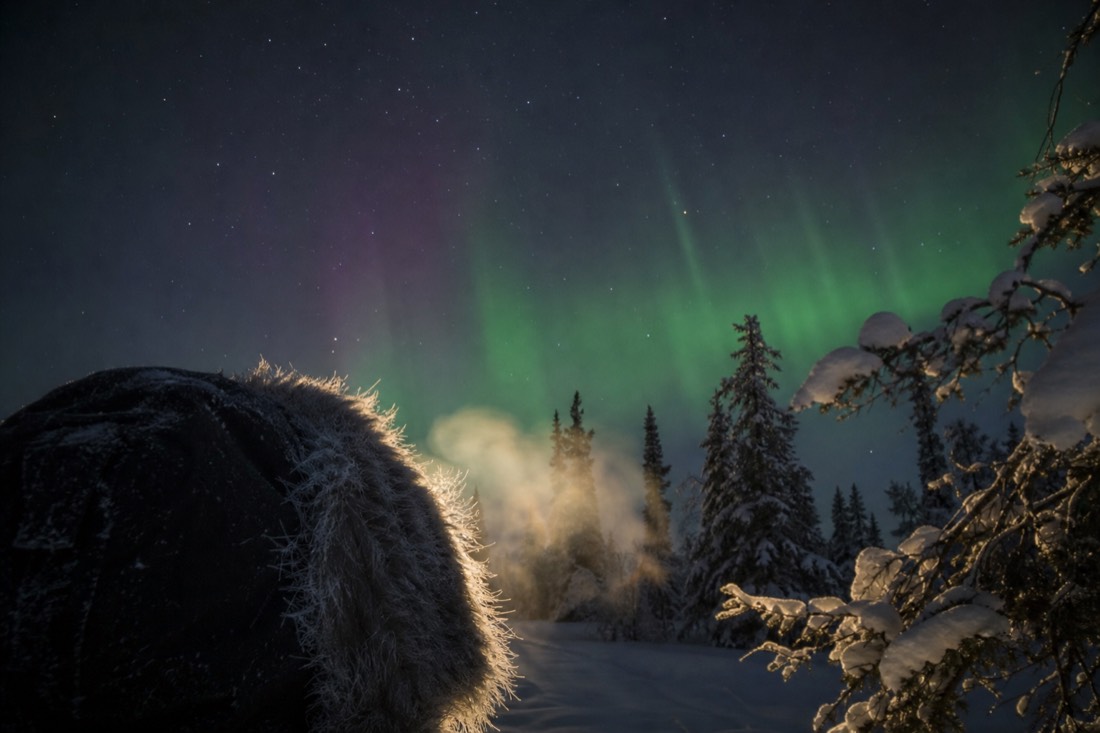
Dry cold is honest cold. It announces itself instantly on any bare skin, your nostrils prickle on the first breath, and metal is genuinely dangerous to touch barehanded. But inside proper layers you are fine for a long time, because there is no moisture stealing your heat. Guests from coastal cities tell me constantly that minus 25 here treated them better than a wet winter day at home. The full sensory tour is in my post on what minus 30 actually feels like, written after a season of watching guests meet it for the first time.
The equipment answer is simpler than people fear: layers, a real parka, real boots, mitts over gloves, and nothing cotton next to the skin. Several operators in town rent complete arctic clothing sets, parka through boots, so you do not need to buy gear for one trip. The exact packing list lives in the what to wear guide.
How do tours keep running at minus 30?
By heating everything that can be heated. Winter operators here run heated vans, heated fishing huts on the lake ice, heated lodges, even heated snowmobile handlebars, and structure every trip as short outdoor bursts between warm refuges. The cold changes the rhythm of a tour, not its existence.
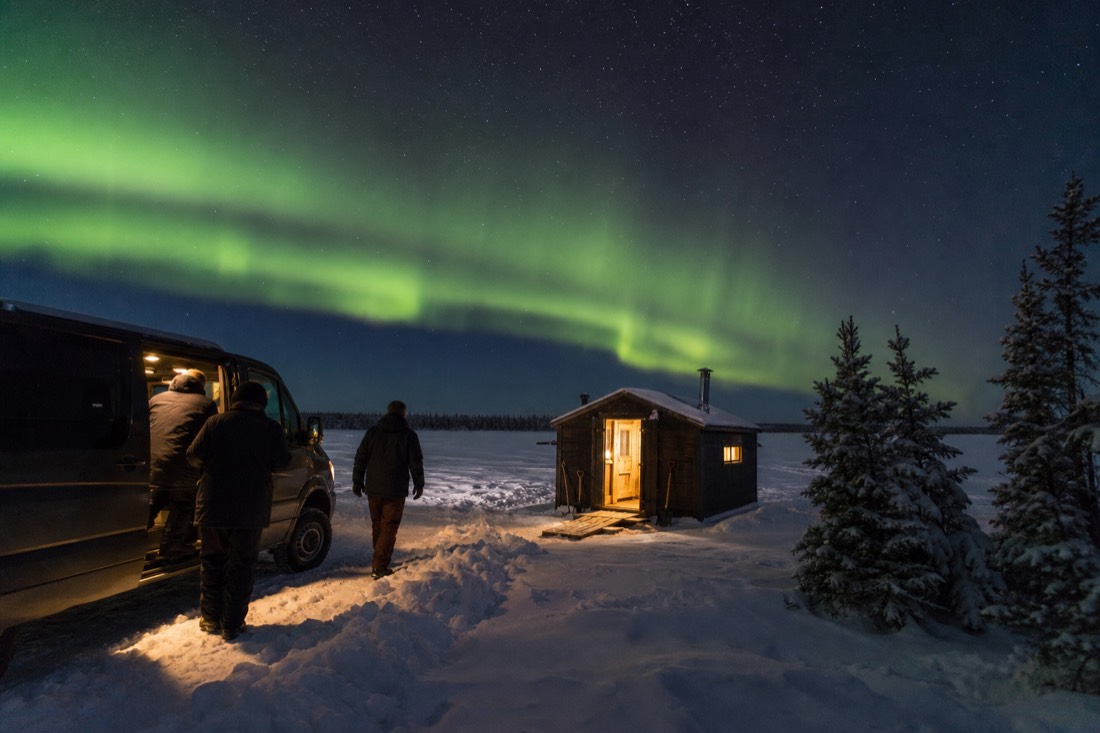
This is the part first-timers cannot picture: the whole visitor economy is built for the coldest weeks, not despite them. Nothing on the winter menu asks you to endure four raw hours outdoors, and the full winter activity list shows how each trip handles the warmth problem. Here is how the major tours solve it, trip by trip.
| Winter tour | How it keeps you warm |
|---|---|
| Aurora hunt (4 h) | Heated van between viewpoints, hot drinks and cookies on the flagship |
| Aurora lodge night | Heated lodge near Madeline Lake with games and WiFi while you wait for the sky |
| Ice fishing (3.5 h) | Heated huts standing on the lake ice, your catch cooked hot for lunch |
| Beginner snowmobile (2 h) | Heated handlebars, full gear rental available |
| Dog sledding (2-3 h) | Short rides between kennel warm-ups, fresh bannock after the Dene-run trip |
| City tour (1-4 h) | Heated vehicle door to door between every stop |
The city itself is the easiest cold-weather win of all. The best-rated tour in town, a perfect 5.0 across its reviews, moves entirely by heated vehicle between Old Town, the Bush Pilots Monument, the Legislative Assembly, and a northern wildlife gallery, so you see everything and freeze during none of it. Browse the city tour options and check live availability and prices on Viator, since the small vans book out in aurora season.
Should the cold stop you from visiting in winter?
No, and I say that carefully, not casually. The cold is the most over-feared part of a Yellowknife winter and the most managed. With rented arctic gear, heated tours, and the between-warm-places rhythm locals use, guests in their seventies do full aurora nights at minus 25 and come back grinning.
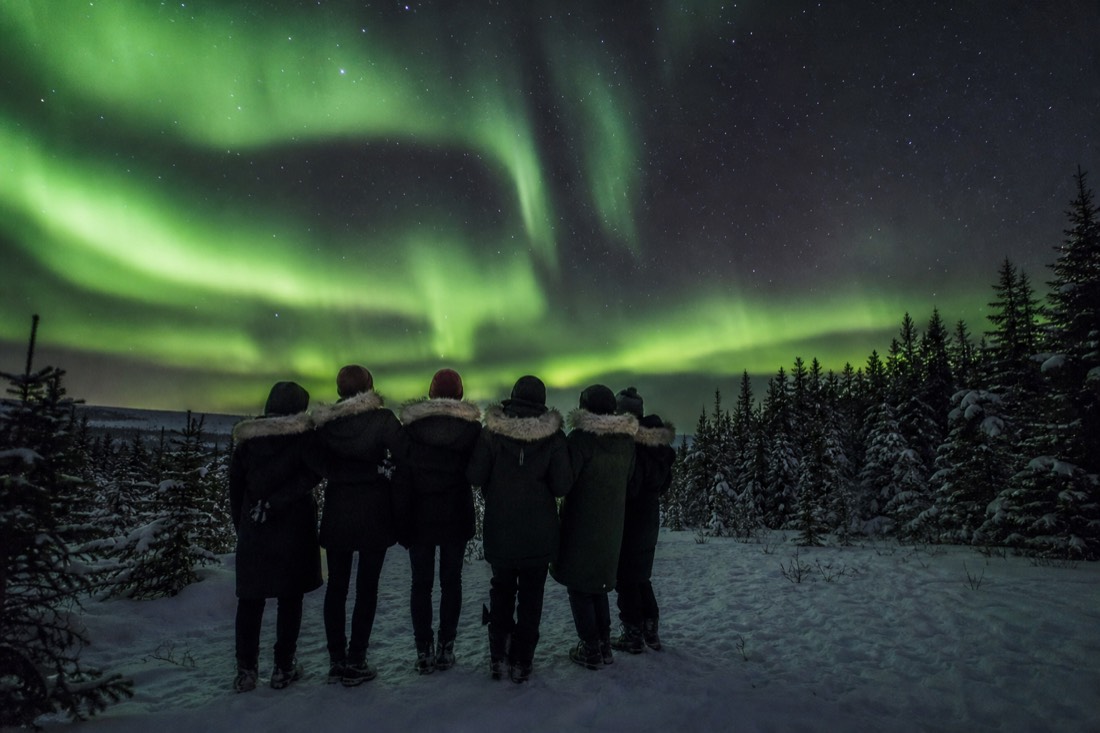
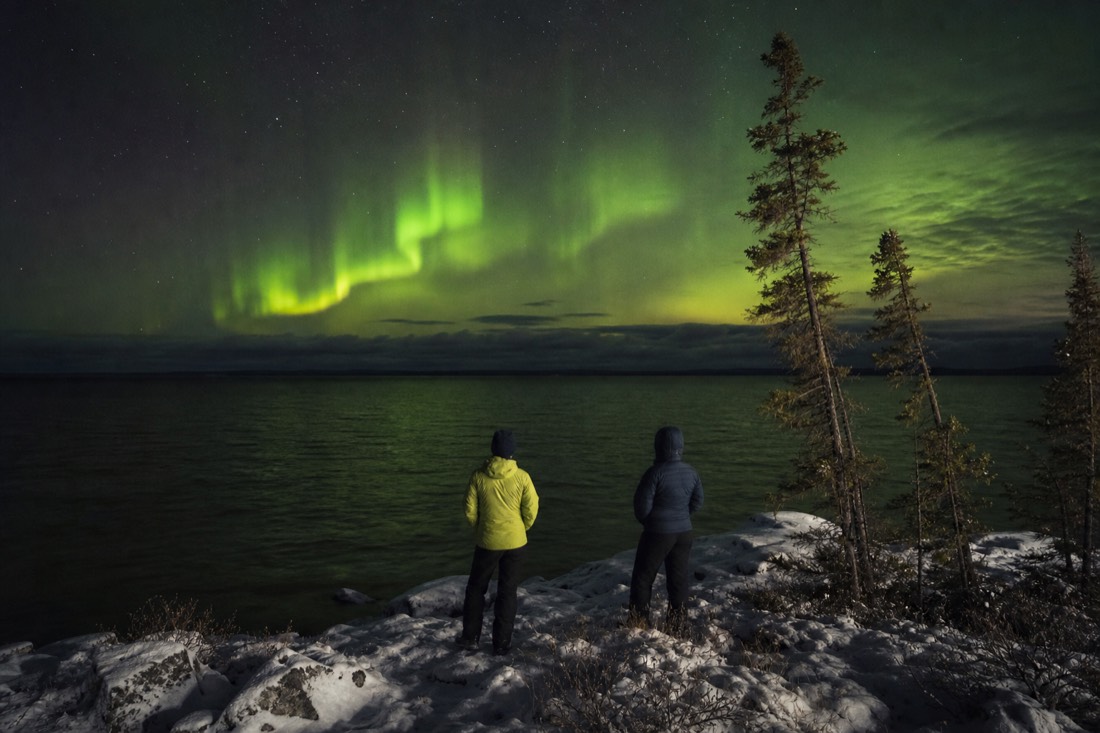
My guiding rule for guests: respect the cold, do not fear it. Book the heated versions of everything, rent the big parka even if it feels like overkill in the hotel lobby, and treat minus 30 as part of the show rather than the price of admission. The clearest, stillest, most electric aurora nights I have worked were also the coldest ones. That is not a coincidence, it is the same weather.