Can You Swim in Great Slave Lake? Yes, and Locals Actually Do
The deepest lake in North America doubles as Yellowknife's summer swimming hole and its winter highway. A local guide on where people actually swim, how cold it really is, and what the same water does in January.
 Written with Thomas Beaulieu, Yellowknife tour guide & northern lights specialist
Short answer
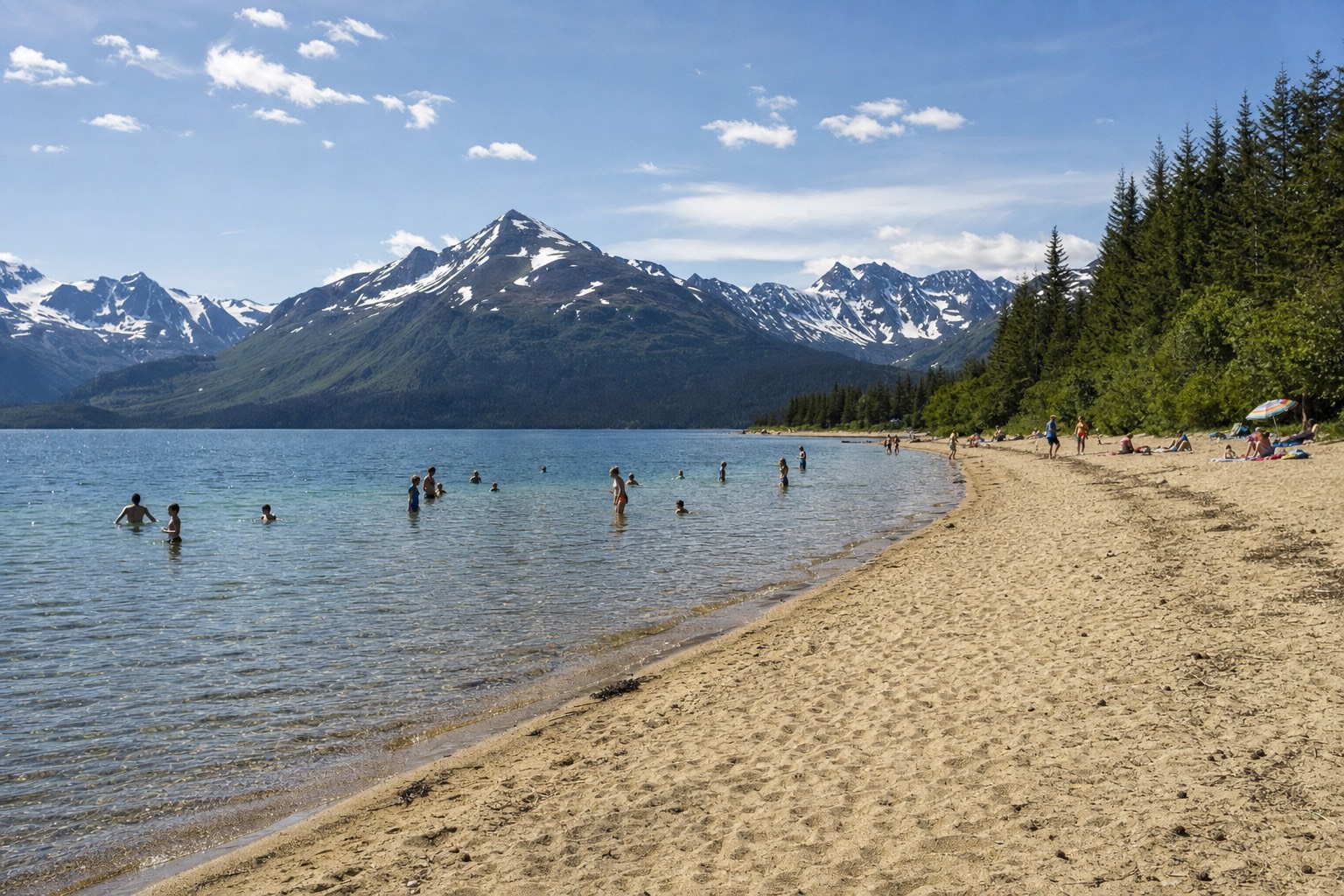
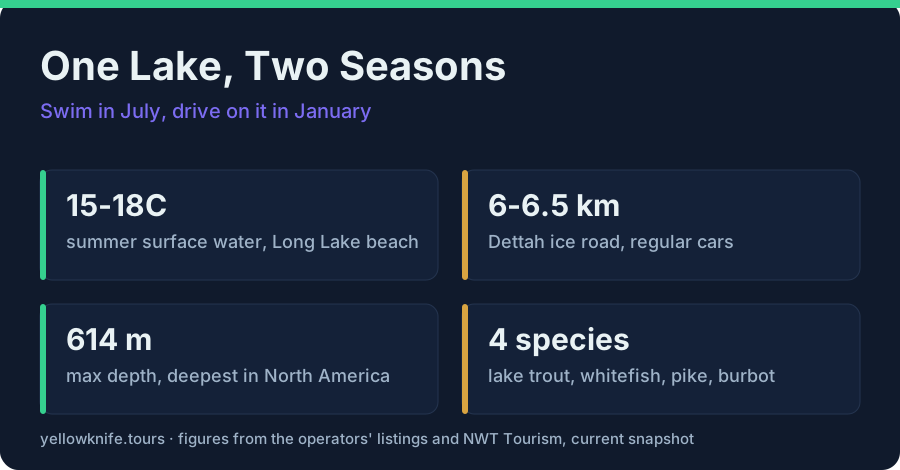
Yes, in summer. Surface water in the Yellowknife area reaches about 15 to 18C in the warm months, and locals swim at the sandy Long Lake beach in Fred Henne Territorial Park beside town. It is a real swim, bracing rather than balmy. In winter the same lake freezes hard enough to carry public ice roads and heated fishing huts.
Every July someone watches a kid cannonball off the government dock and asks me if that is safe, sane, or legal. All three. You can absolutely swim in Great Slave Lake in summer: surface water around Yellowknife warms to roughly 15 to 18C, and the sandy beach at Long Lake in Fred Henne Territorial Park is where the town goes on a hot afternoon. The catch is the word "surface." This lake is 614 m deep, the deepest in North America, and it never forgets it.
Can you swim in Great Slave Lake?
Yes, in summer. Surface water in the Yellowknife area reaches about 15 to 18C in the warm months, real swimming temperature for anyone used to lakes rather than resorts. Locals swim all summer, mostly at the sandy Long Lake beach in Fred Henne Territorial Park. Winter swimming is not a thing; winter driving on the lake is.
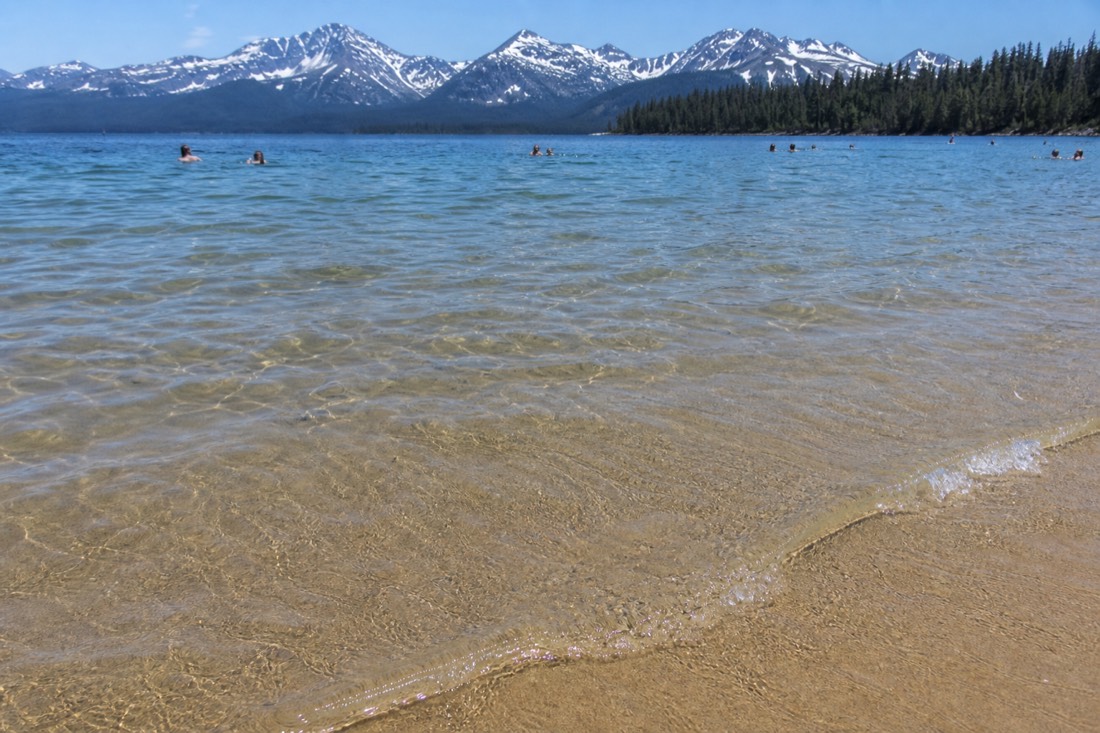
The surprise for most visitors is not that swimming is possible but that summer here is genuinely warm. T-shirt afternoons happen, daylight runs about 20 hours around the June solstice, and the beach fills up like any southern lake town. The Wikipedia entry for Yellowknife will confirm the improbable geography: a swimmable beach scene at 62 degrees north.
The honest asterisk is the temperature band. Fifteen to eighteen degrees is a real swim, not a soak. You get in with a gasp, you acclimatize in a minute, and you come out feeling like you earned something. Anyone who grew up swimming in Canadian, British, or Scandinavian lakes will feel right at home. Anyone expecting bathwater should stay on the sand and enjoy the midnight sun instead.
How cold is the water, really?
Warmer than the lake's reputation, colder than a heated pool. Summer surface water runs about 15 to 18C, similar to northern lakes worldwide. But this is a 614 m deep lake, so anything beyond the warmed shallows turns cold fast, and cold-water common sense applies: enter gradually, stay near shore, and never swim alone.
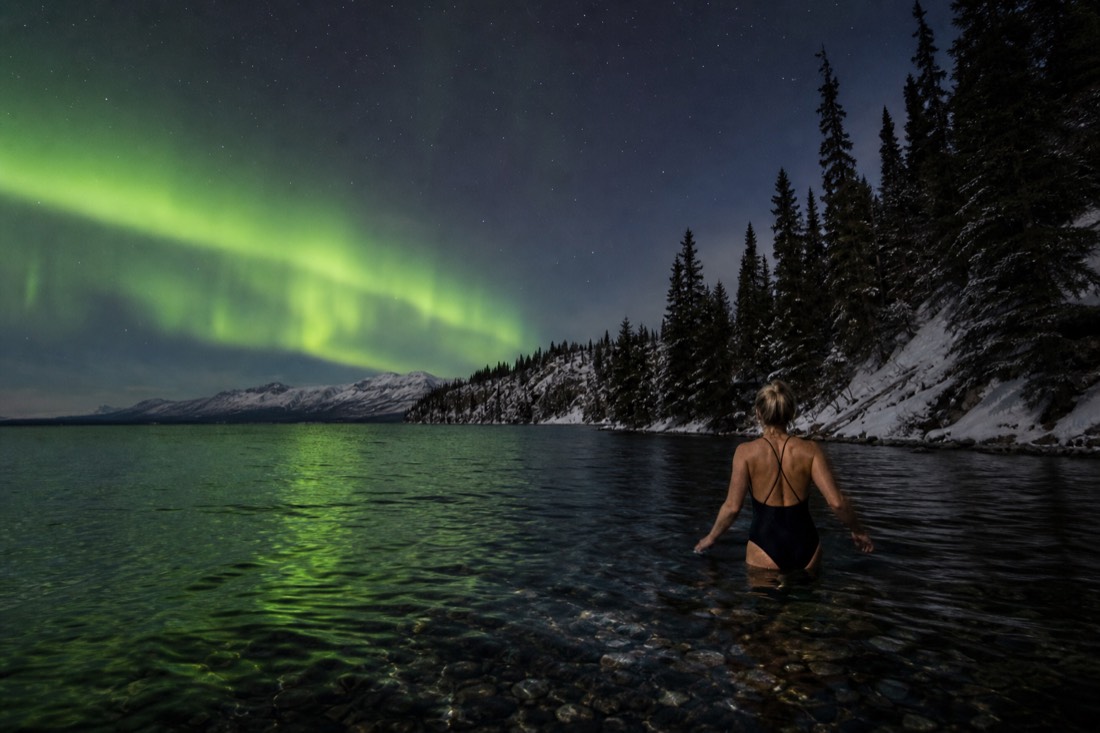
Depth is the physics to respect. A shallow sandy bay warms beautifully through those long daylight hours, which is exactly why Long Lake works so well as the local beach. The main body of Great Slave is another animal, a basin deep enough to swallow a skyscraper twice over, and open-water temperatures away from shore stay unfriendly all year. Sudden cold immersion takes your breath, that first-gasp reflex is real, so the standard cold-water rules earn their keep here.
| Swim spot | What it is like | Cautions |
|---|---|---|
| Long Lake beach, Fred Henne Territorial Park | Sandy beach beside town, the warmest and most popular swim | The sensible default; busy on hot days |
| Shallow sheltered bays | Warmed shallows on sunny stretches | Bottom drops off; stay within your depth |
| Open Great Slave Lake | Deep, cold, serious water | Cold shock risk; boat territory, not swim territory |
| Yellowknife Bay off Old Town | Houseboat and floatplane harbour | Working waterway; watch for boat and floatplane traffic |
| Anywhere in winter | Solid ice from freeze-up to spring | Swimming season is over; the ice road season begins |
Where do locals actually swim?
Long Lake beach at Fred Henne Territorial Park, five minutes from downtown. It is the sandy, family-friendly swimming hole of the Yellowknife area, and on a warm July afternoon it looks like beach day anywhere in Canada, except the sun barely sets. Old Town docks see their share of jumpers too.
Fred Henne is the answer I give parents, because sand and a gradual entry beat rocks and a drop-off every time. The park sits practically across from the airport, which means your swim can happen within an hour of landing. Around the bay, summer turns the whole waterfront into a playground: fishing charters head out for lake trout and pike, floatplanes buzz off Old Town all day, and the roughly 50 houseboats in Yellowknife Bay come into their glory, a floating neighbourhood I profiled in houseboats of Yellowknife Bay.
If you are weighing a warm-season trip, swimming slots into a bigger bright-months menu, Cameron Falls hikes, long evenings, patio season at the 1937 Wildcat Cafe. The full case is in Yellowknife in summer. One honest warning from that guide repeated here: mid-April to late July has no aurora, so a swim trip and a lights trip are different bookings.
What happens to the lake in winter?
It becomes infrastructure. The bay freezes thick enough to carry the public Dettah ice road, about 6 to 6.5 km across, typically open from mid or late December to mid-April and driven by ordinary cars. Heated fishing huts dot the ice, and every March the SnowKing builds a full snow castle on the frozen bay.
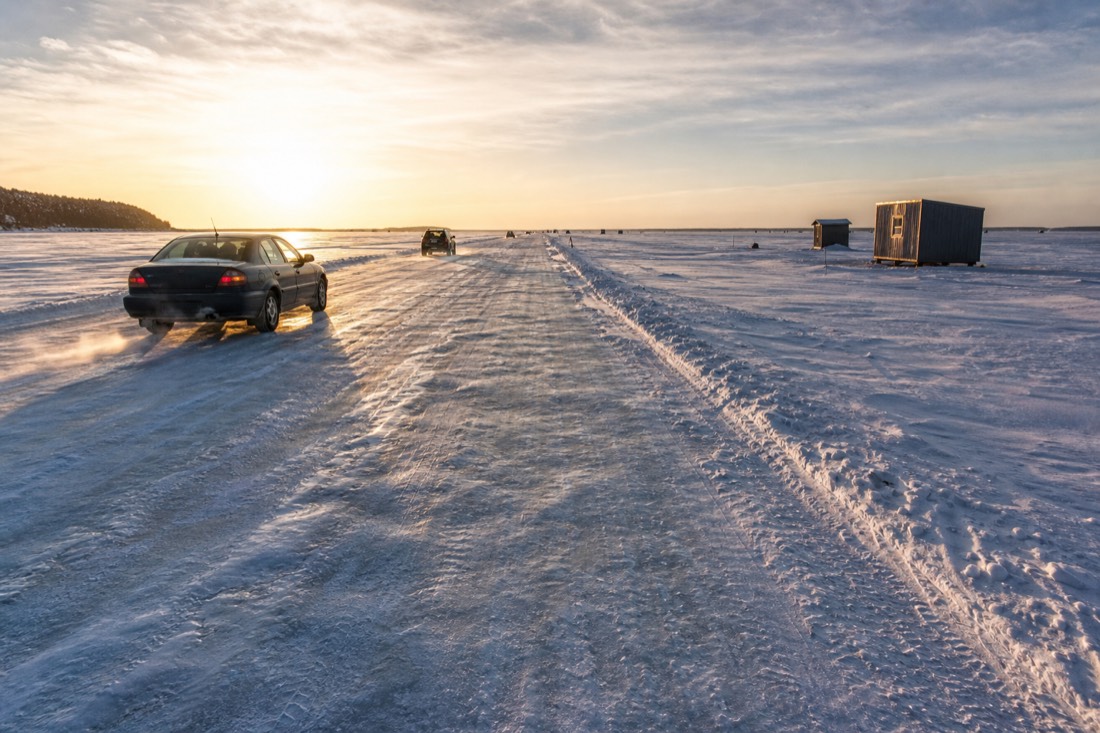
This is my favourite fact to hand summer swimmers: the water you are floating in will hold a truck by January. The transformation is total and public. You can drive the ice road yourself, an experience I wrote up in driving the Dettah ice road, walk among the frozen-in houseboats, and tour a snow castle whose dates post every year at snowking.ca.
| The lake in summer | The same lake in winter |
|---|---|
| Surface water ~15 to 18C, swimming at Long Lake beach | Solid ice carrying public roads and parked trucks |
| Fishing charters and floatplanes from Old Town | Heated fishing huts and nets pulled through the ice |
| Houseboats floating in the bay | The same ~50 houseboats frozen in place |
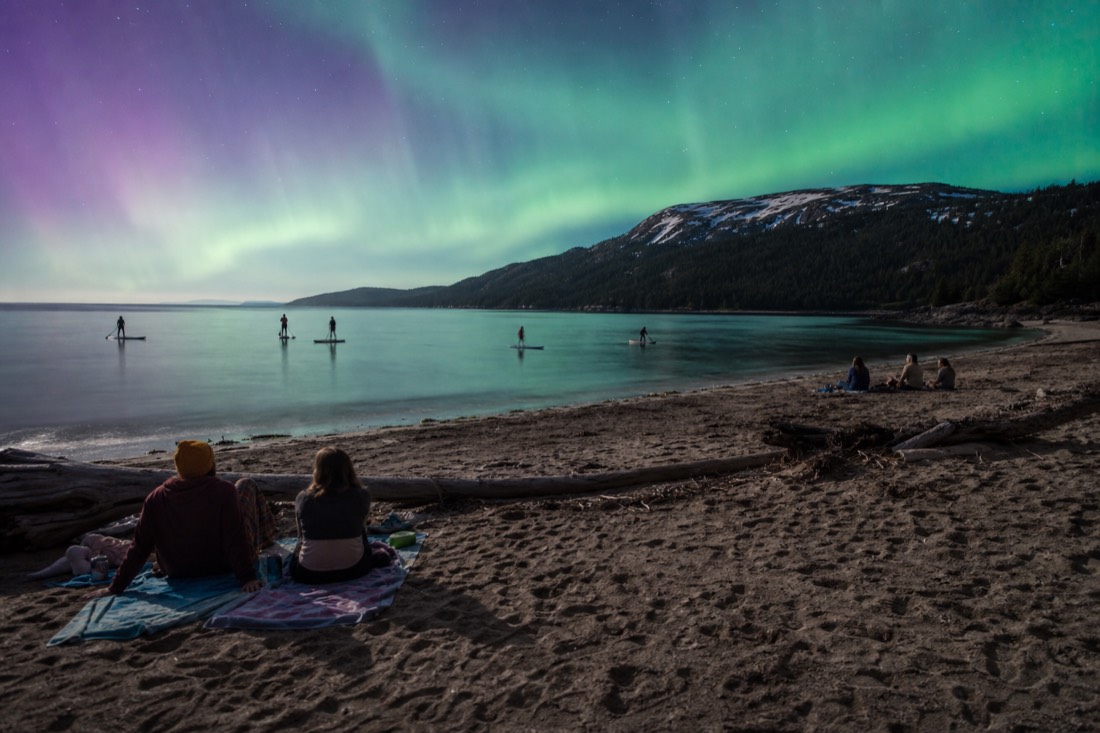
| Beach days under near-22-hour daylight | Aurora nights, with lights visible up to 240 nights a year |
| Boat access to distant shores | The Dettah ice road, 6 to 6.5 km by ordinary car |
Can you fish the lake, and what is in it?
Yes, in both seasons. Great Slave Lake holds lake trout, whitefish, northern pike, and burbot. Summer means charters on open water; winter means heated huts and nets under the ice, with your catch cooked for lunch on the spot. An NWT sport fishing licence, about CA$15 per the listing notes, is mandatory and never included.
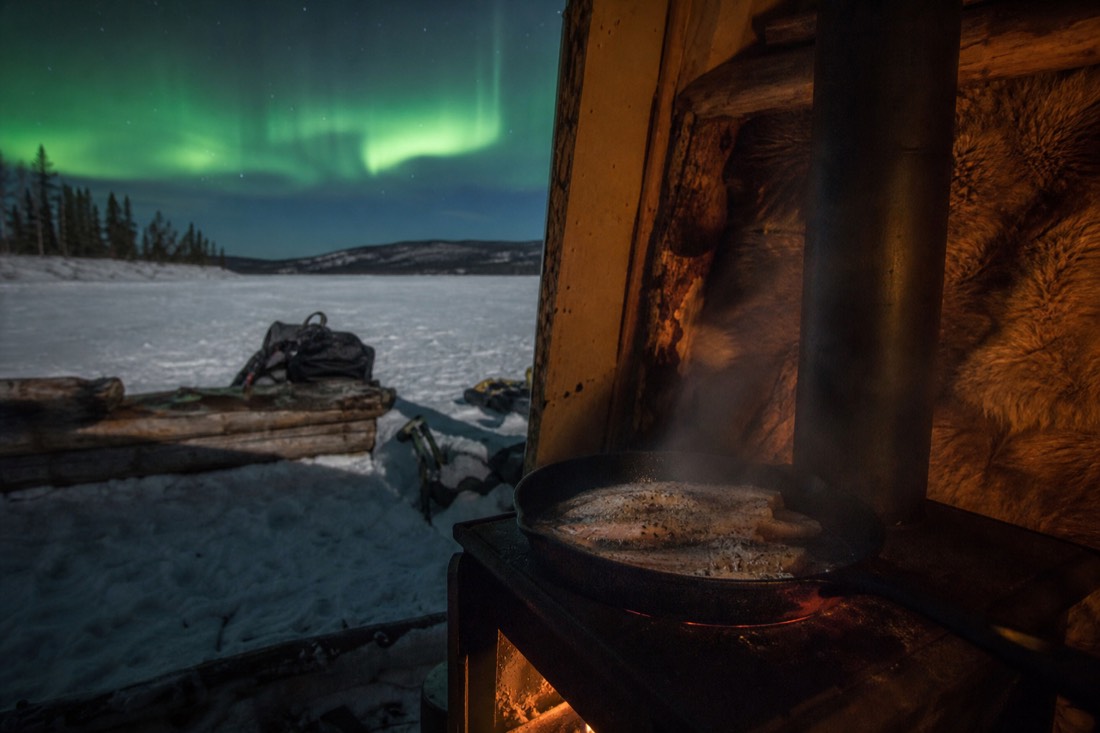
The winter version is the one guests write home about, and I told the full story in ice fishing on Great Slave Lake. The signature trip runs three and a half hours in heated huts, pulls a net through the ice, and fries the catch for lunch right there, rated 4.5 across 72 reviews. An Indigenous-owned alternative runs daily through the deep winter: North Star Adventures' traditional ice fishing tour, from CA$249 with gear, transfers, a traditional fish meal, and stories from guides on their own Akaitcho Dene territory. Compare the trips on the ice fishing tours page, then check live availability and prices on Viator for the heated-hut lunch trip.
Why is Great Slave Lake such a big deal anyway?
Because it is the deepest lake in North America, 614 m at maximum, deep enough that its scale shapes everything around it: the fishery, the houseboat culture, the ice roads, even the flat horizons that make Yellowknife's aurora viewing so good. Swimming in it is dipping a toe into a continental landmark.
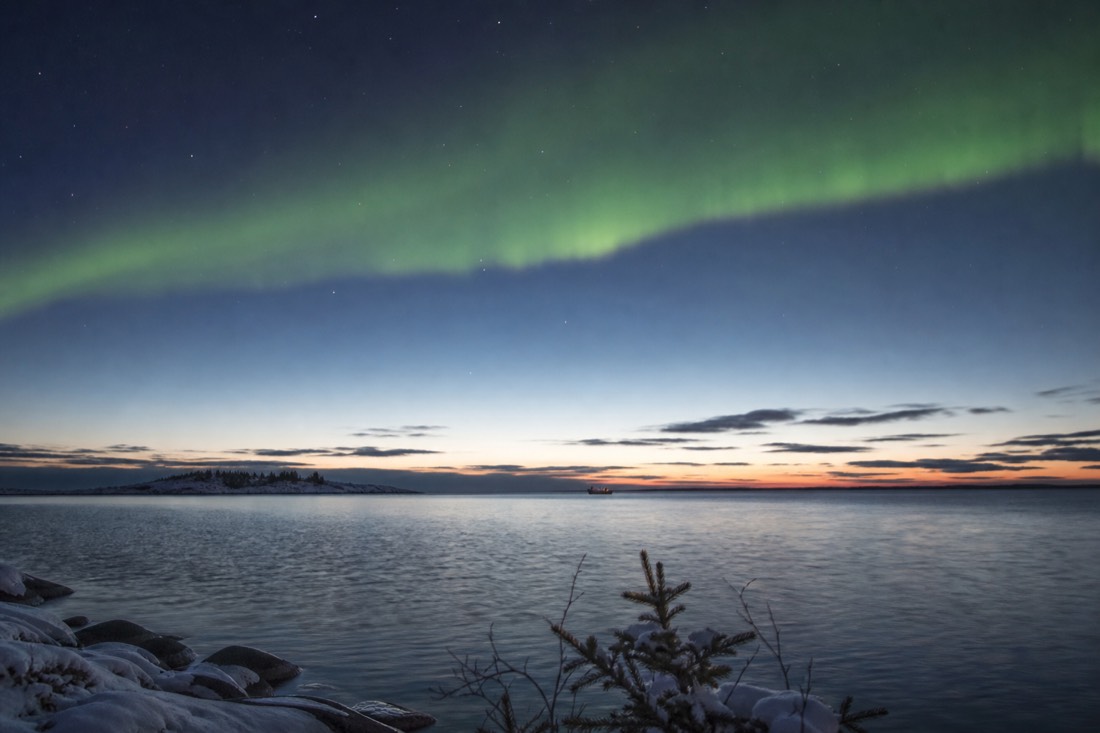
The numbers deserve a clean summary, because they are the reason this question gets asked at all.
| Lake fact | Figure |
|---|---|
| Maximum depth | 614 m (2,014 ft), deepest lake in North America |
| Summer surface temperature near town | ~15 to 18C |
| Fish species | Lake trout, whitefish, northern pike, burbot |
| Houseboats in Yellowknife Bay | ~50 |
| Dettah ice road across the bay | ~6 to 6.5 km, ~mid/late December to mid-April |
| Fishing licence | Mandatory, ~CA$15 per the listing note, never included in tours |
So yes, pack the swimsuit for a summer trip and expect to use it once, gasp included. But know that you are swimming on top of the same water that carries trucks in January and mirrors the aurora in September. Very few lakes offer both ends of that spectrum. This one does it every single year.