What Language Do They Speak in Yellowknife? English, Plus Ten More
You will never need a phrasebook here, and yet you are visiting one of the most multilingual jurisdictions in Canada. Both things are true, and the second one makes the trip richer.
 Written with Thomas Beaulieu, Yellowknife tour guide & northern lights specialist
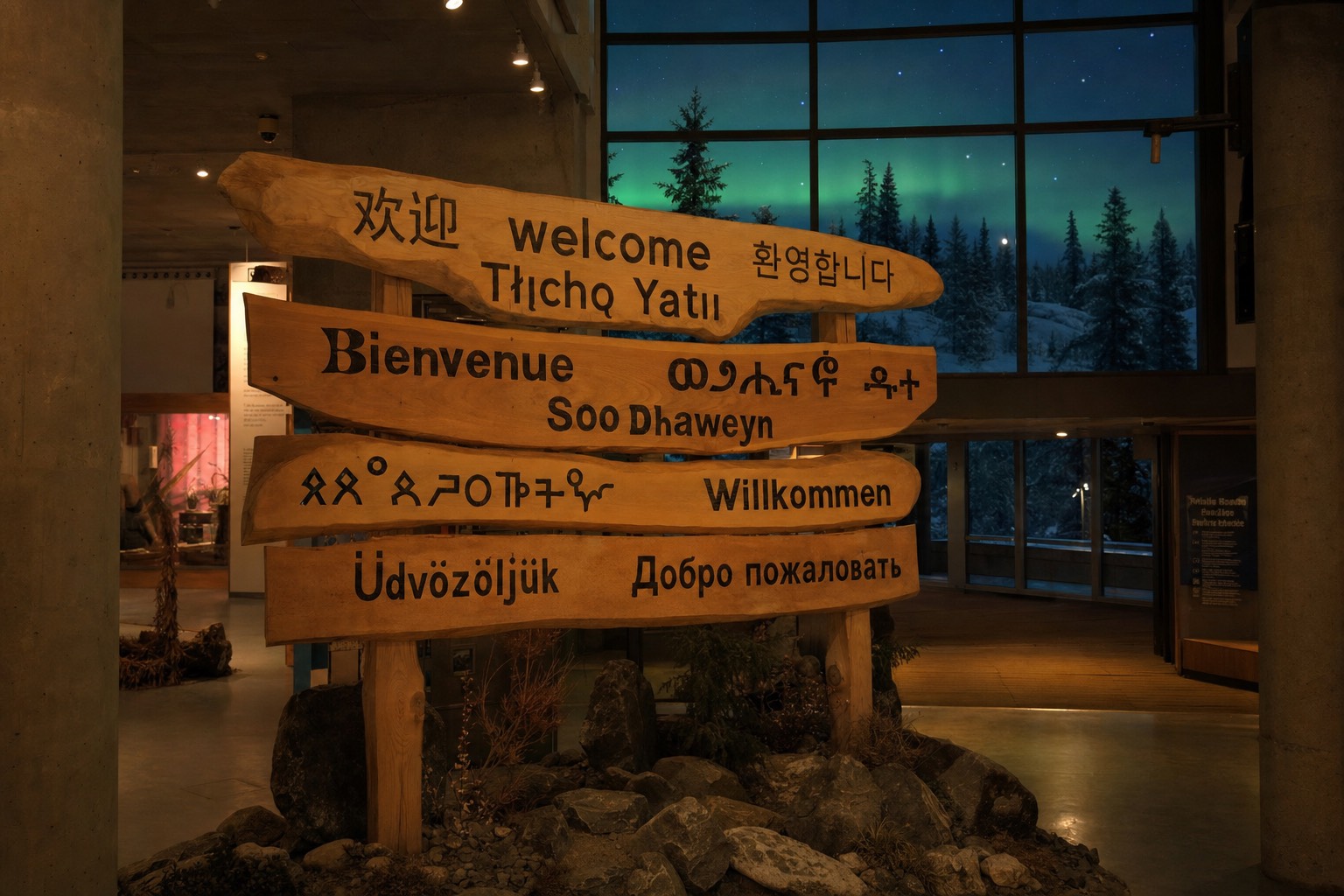
Short answer
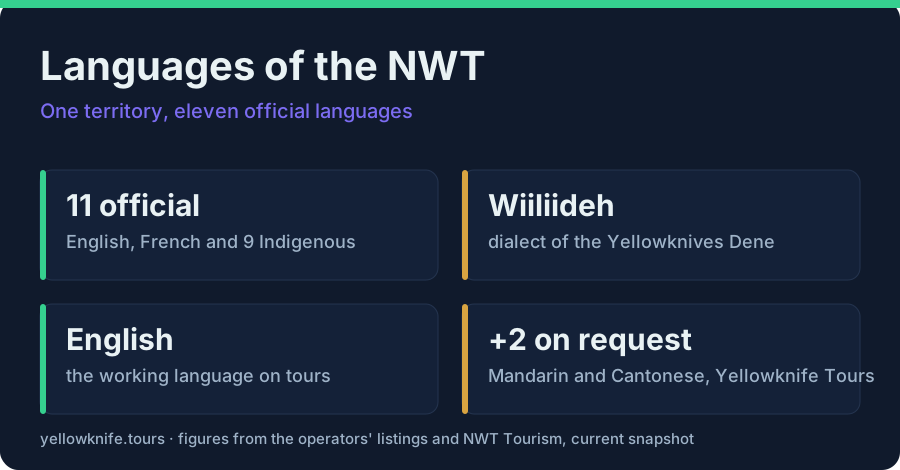
English, everywhere a visitor goes: hotels, restaurants, airports, and tours all run in English. Officially though, the Northwest Territories recognizes 11 languages, English, French, and 9 Indigenous languages. The Yellowknives Dene, the area's first people, speak the Wiiliideh dialect, and one local operator also runs tours in Mandarin and Cantonese.
A guest from Germany once asked me, very politely, whether she should have learned French for this trip. The answer made her laugh: English covers everything a visitor does in Yellowknife, from the airport counter to the midnight aurora hunt. But the fuller answer is better. The Northwest Territories officially recognizes 11 languages, English, French, and 9 Indigenous languages, and the people this city is named for, the Yellowknives Dene, speak the Wiiliideh dialect.
What language do they speak in Yellowknife?
English, in every situation a visitor will meet. Hotels, restaurants, shops, the airport, and every tour I know of operate in English as the working language. You need no other language to travel here comfortably. Around that English surface sits a territory with 11 officially recognized languages.
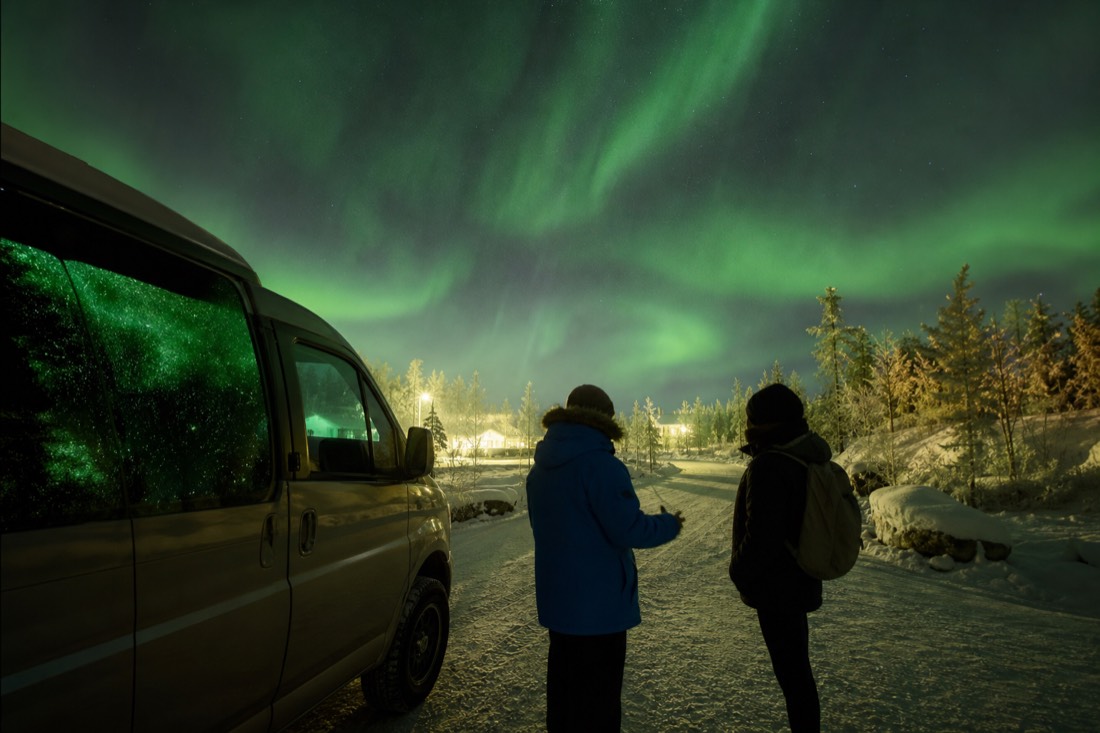
Let me make the practical part concrete, because this is the question behind the question for most travelers.
| Situation | What you will hear | Notes |
|---|---|---|
| Airport, hotels, restaurants | English | No language barrier at any point |
| Guided tours (aurora, dogs, ice fishing, city) | English | The standard working language on every trip |
| City tours with one local operator | English, Mandarin, or Cantonese | Yellowknife Tours Ltd offers all three, per their own public statement |
| Government services and signage | English and French | Both are official languages of the territory |
| Cultural sites and communities | English, plus Indigenous languages | The Wiiliideh dialect is the language of the Yellowknives Dene |
That table is the whole visitor reality. The rest of this guide is the richer story underneath it, which is worth ten minutes of your time because it explains half the place names you will see out the van window.
How many official languages does the Northwest Territories have?
Eleven, more than any other jurisdiction in Canada: English, French, and 9 Indigenous languages. That status is set in territorial law, and the NWT's Office of the Languages Commissioner exists to protect it. Yellowknife, as the capital, is where all of them intersect.
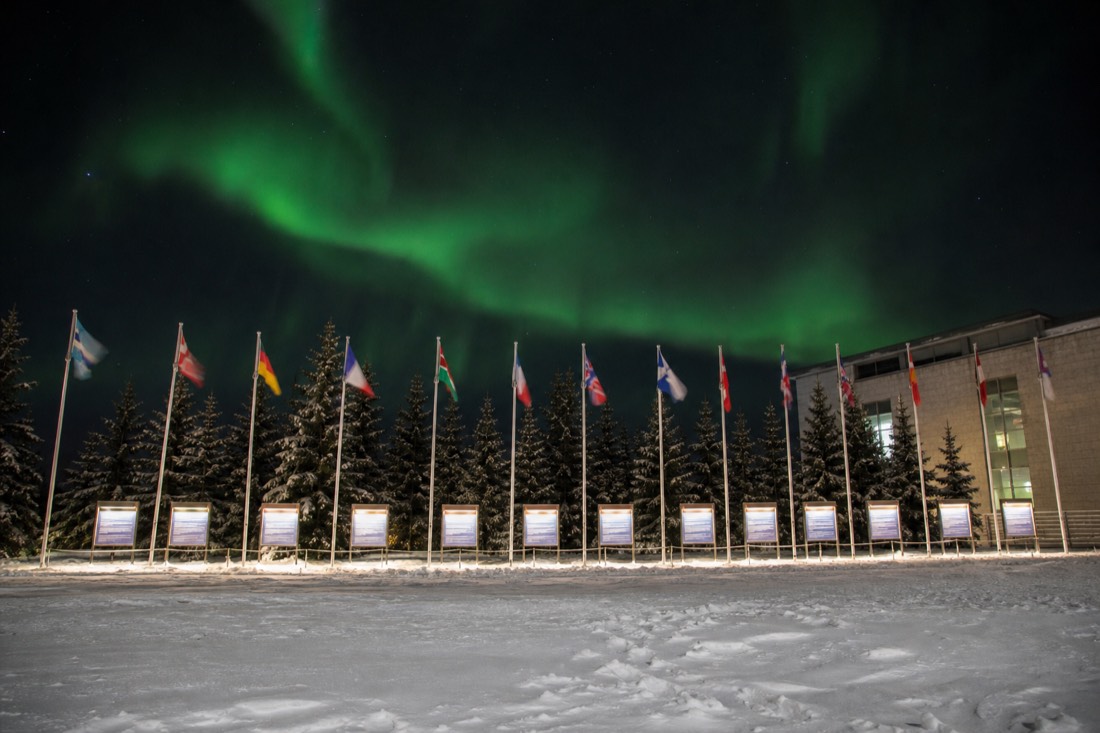
Eleven official languages for a territory of small communities is a remarkable commitment, and it is not symbolic paperwork. The Office of the Languages Commissioner of the NWT maintains the overview of all eleven and the rights attached to them. For a visitor, the practical trace is everywhere once you look: multilingual displays at the Prince of Wales Northern Heritage Centre, Indigenous place names on maps, French services in government buildings.
| Language group | Count | Where a visitor encounters it |
|---|---|---|
| English | 1 | Everywhere, the working language of daily life |
| French | 1 | Government services, some signage, the francophone community |
| Indigenous languages | 9 | Communities, cultural sites, place names, storytelling on tours |
I keep the table at the group level deliberately. The full list of nine, with pronunciation and territory maps, is exactly what the Languages Commissioner's overview does better than any travel site, and the Heritage Centre in town, free to enter, turns it into exhibits you can stand in front of.
What language do the Yellowknives Dene speak?
The Wiiliideh dialect. The Yellowknives Dene First Nation, whose copper-bladed knives gave the city its name, live in the communities of Dettah and Ndilo on Yellowknife Bay. Their language is part of the Dene family that dominates the territory's Indigenous languages.
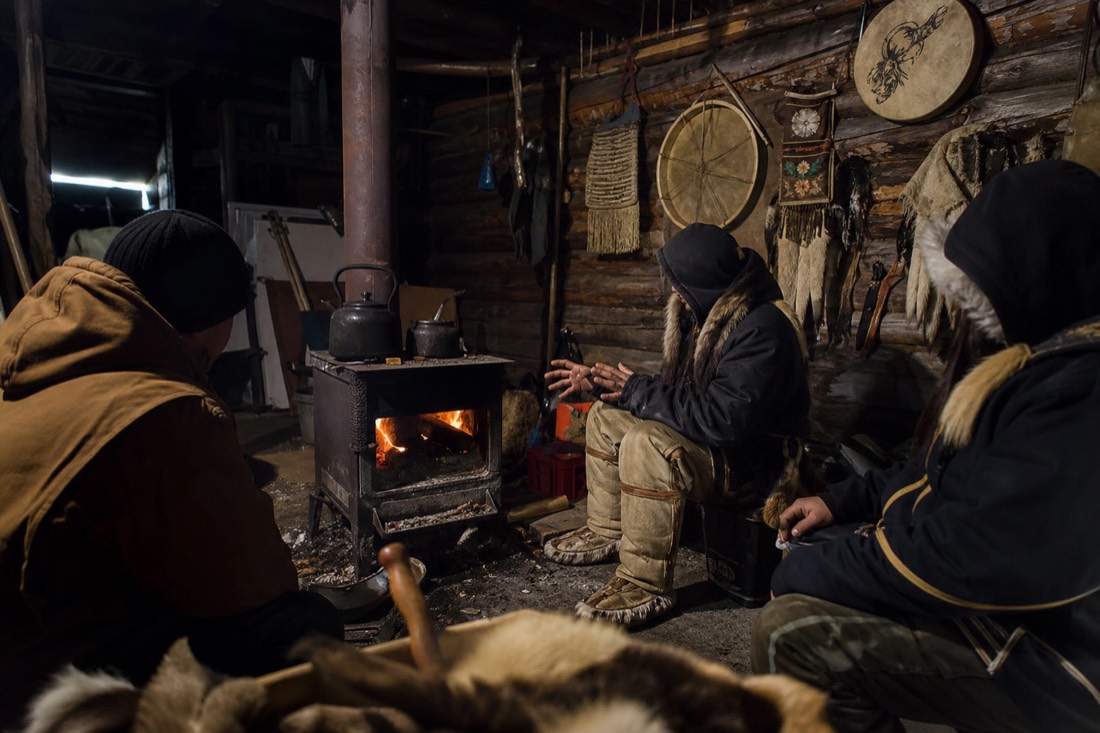
This is where language and identity braid together. The city's own name is a translation: it refers to the copper-bladed knives the Yellowknives Dene were known for, a story I tell in full in what is Yellowknife famous for. Dettah and Ndilo are not museum exhibits but working communities, Dettah close enough that a public ice road runs to it across the frozen bay each winter.
North Star Adventures, one of the operators in town, is 100% Indigenous-owned by their own statement and runs its trips on traditional Akaitcho Dene territory. Hearing a guide place the land in their own people's terms changes how the whole region reads. The Wikipedia entry for Yellowknife covers the naming history if you want the reference version before you arrive.
Do you need French or any other language to visit?
No. French is an official language of the territory and government services offer it, but no visitor situation requires it. English alone covers flights, hotels, tours, restaurants, and emergencies. The only language decision worth making is choosing a tour where Indigenous storytelling is part of the experience.
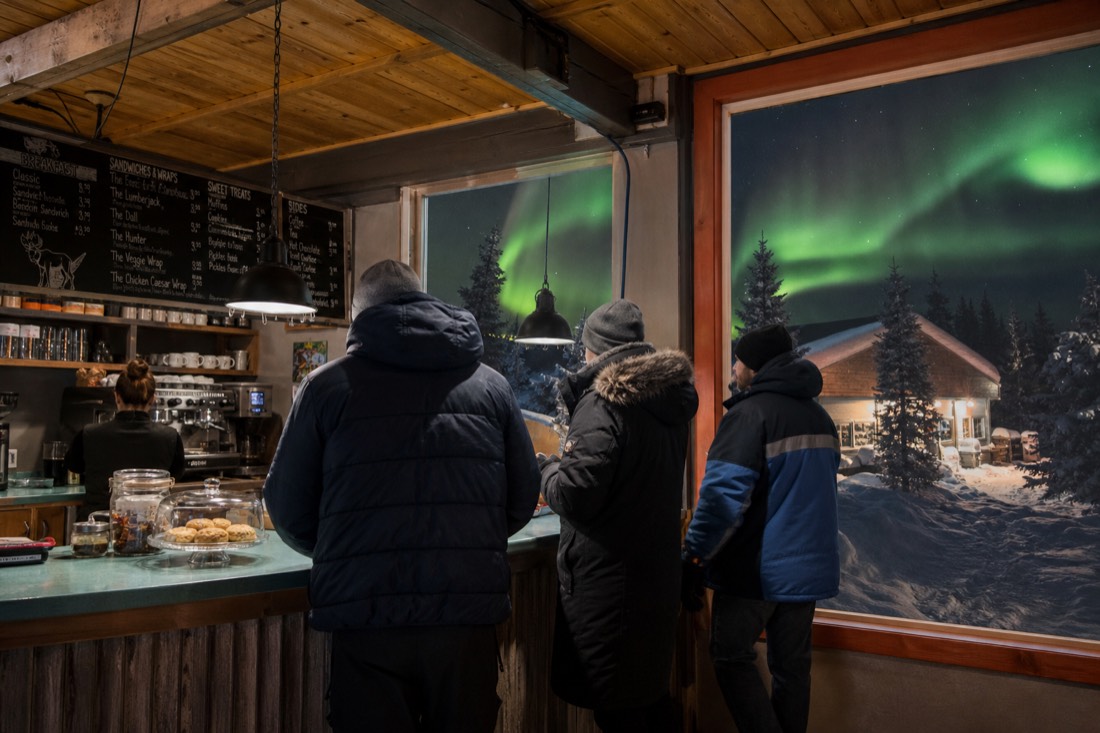
I have guided guests from dozens of countries since 2022, and the language question resolves the same way every time: whatever English got them through the connecting hub on the route covered in getting to Yellowknife is more than enough here. Menus, safety briefings, aurora forecasts, all English. Francophone travelers will find French services in official settings, which is a pleasant bonus rather than a necessity.
The worthwhile version of the language question is cultural, not logistical. Some trips are built around story: the traditional dog sledding run by North of 60 Aurora Adventures wraps the ride in Dene sled-dog storytelling and fresh bannock, and I described how much that framing adds in dog sledding in Yellowknife, what it's really like. That is the language experience worth planning for.
What languages do the tours here run in?
English on every tour, as the default and often the only language. The exception worth knowing: the local operator Yellowknife Tours Ltd states publicly that it runs tours in Mandarin and Cantonese as well as English, which matters to the many aurora travelers arriving from Chinese-speaking countries.
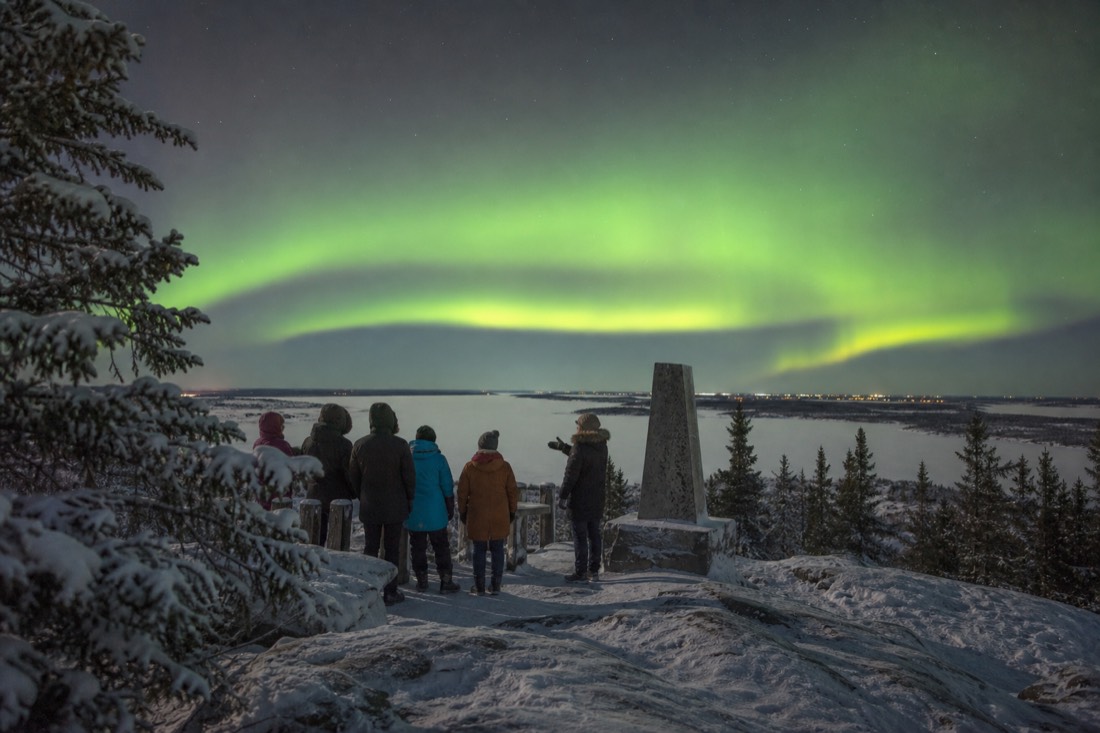
Here is the language picture across the trips I am asked about most, drawn from the operators' own listings.
| Tour | Operator | Language notes | Rating |
|---|---|---|---|
| Flagship aurora hunt | Yellowknife Vacations | English; photographer included, free photos | 4.8 across 399 reviews |
| City tour with wildlife gallery | Yellowknife Tours Ltd | English, Mandarin, or Cantonese per their statement | 5.0 across 27 reviews |
| City and culture tour | Destination NWT | English; some admissions included | 4.9 across 25 reviews |
| Traditional dog sledding | North of 60 Aurora Adventures | English, built around Dene storytelling | 4.8 across 23 reviews |
| Sport fishing and culture | North Star Adventures | English, 100% Indigenous-owned operator | Booked direct with the operator |
One clarity note: Yellowknife Tours Ltd is its own long-standing local company, separate from this site. Credit where due, their multilingual offering is unusual for a town this size. If the city's stories are what you are after, the three-hour city and culture tour hits Ragged Ass Road, the Heritage Centre, the Pilot Monument, and the Legislative Assembly with some admissions included, rated 4.9 across 25 reviews. Compare it with the other city tours, then check live availability and prices on Viator for your dates.
Where can a visitor actually hear Indigenous languages?
At the Prince of Wales Northern Heritage Centre, free to enter, in the communities of Dettah and Ndilo, and on tours where Dene guides and storytellers frame the experience. You will not hear Wiiliideh at the hotel desk; you can hear it where the culture actually lives.
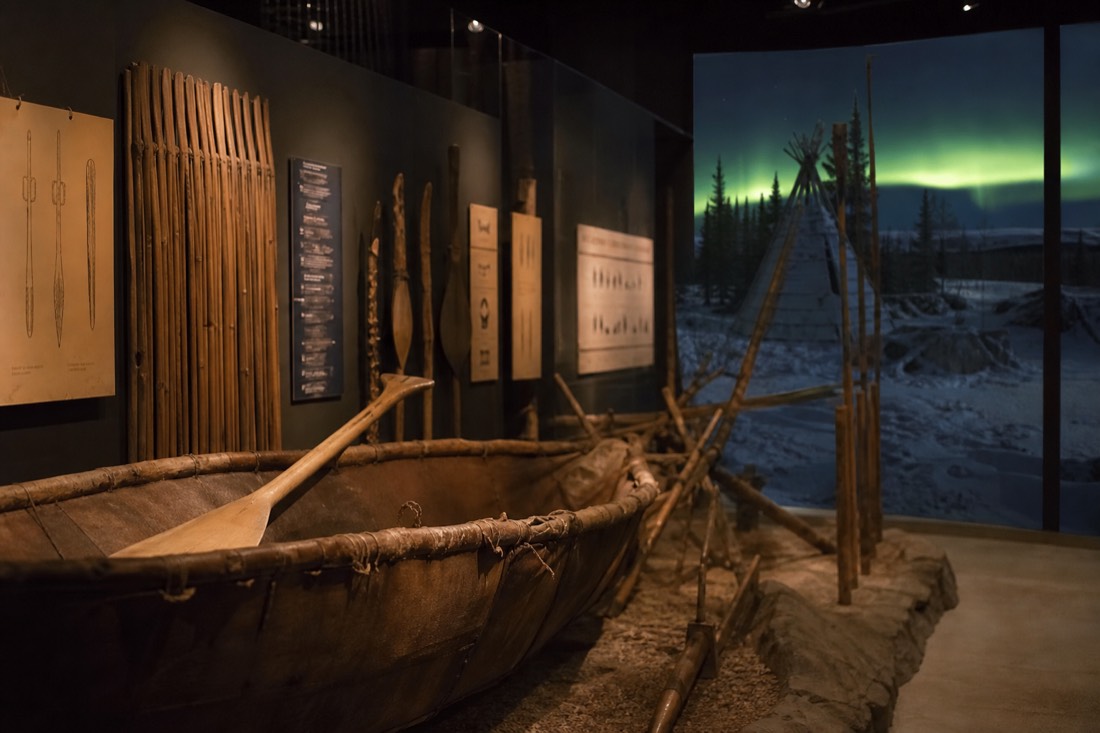
So pack no phrasebook, but bring curiosity. The English-speaking surface of this town floats on eleven official languages and a name borrowed from copper knives. Decide whether the whole northern package earns your holiday with is Yellowknife worth visiting, and if you come, spend one afternoon at the Heritage Centre. It is free, and it reads the territory to you in its own words.