Yellowknife vs Iceland for the Northern Lights, From a Guide Who Chases Them
One destination sits directly under the auroral oval with some of the clearest winter skies on the planet. The other is a spectacular island with famously moody weather. Here is the honest comparison.
 Written with Thomas Beaulieu, Yellowknife tour guide & northern lights specialist
Short answer
If the aurora is the reason for the trip, Yellowknife wins on raw odds, with lights possible up to 240 nights a year and a 98% chance of a sighting over three nights in season. Iceland is the better pick when the aurora is a bonus layered onto a Europe-North America stopover full of waterfalls, glaciers and hot springs.
Guests ask me this one on almost every hunt, usually around the second hot chocolate: "We nearly booked Iceland instead. Did we choose right?" I have learned to answer it honestly rather than defensively, because the two trips are not really competing for the same traveler. One is an aurora mission. The other is a stopover with a chance of magic. By the end of this page you will know which one you are planning.
Is Yellowknife or Iceland better for the northern lights?
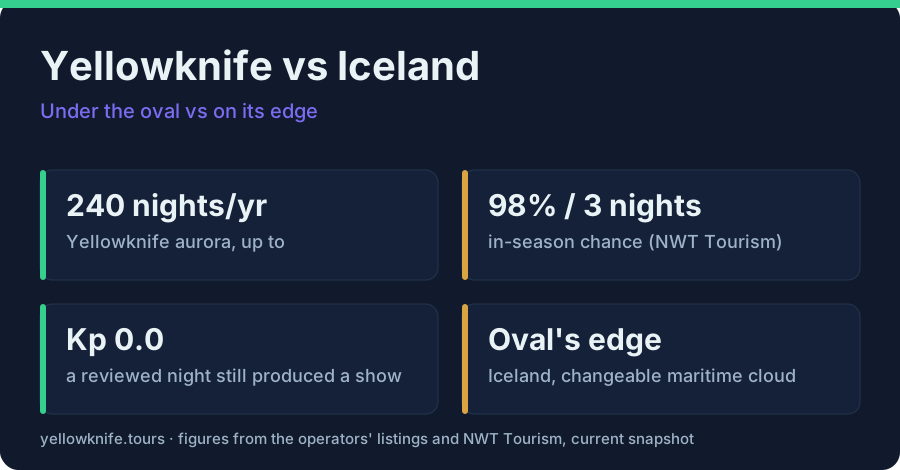
For pure aurora odds, Yellowknife. It sits directly under the auroral oval, where lights are possible up to 240 nights a year and NWT Tourism puts the chance of at least one sighting over three nights in season at 98%. Iceland offers weaker odds but far more to do in daylight.
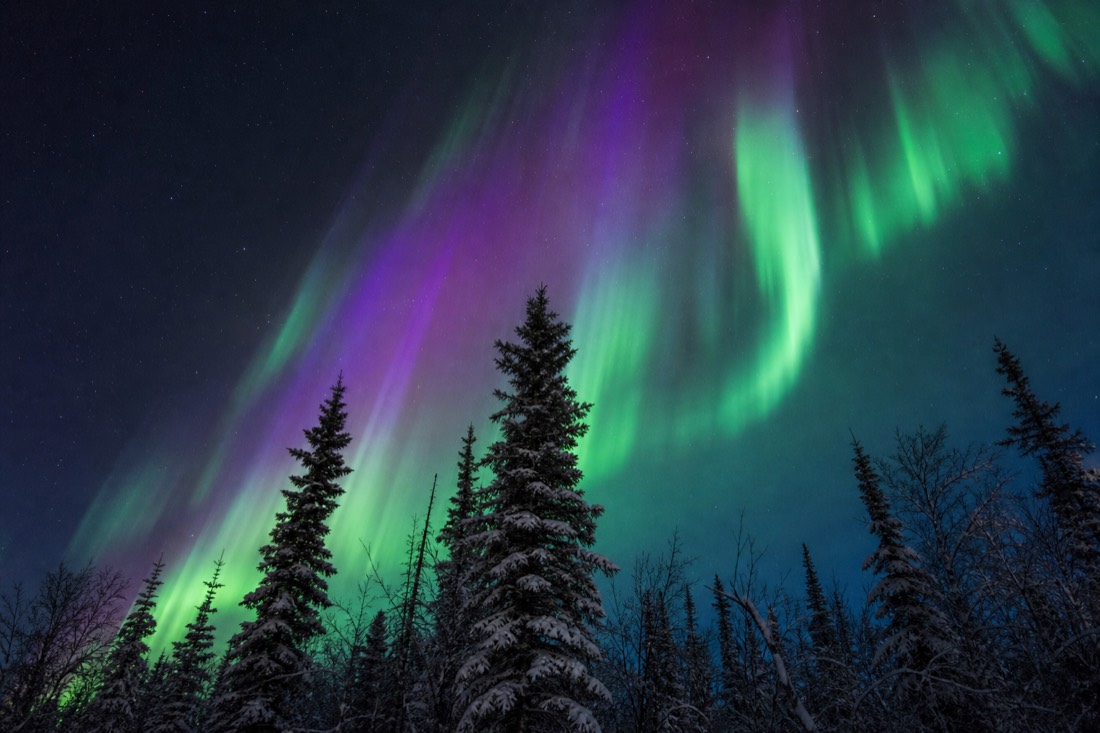
The distinction that matters is what happens on a quiet night. In Yellowknife, a quiet night is often still a show, because the oval passes overhead here even when solar activity is low. I have stood with groups under a strong display on a night the forecast called almost dead, and one of our flagship tour's real reviews describes exactly that: a good show on a Kp 0.0 forecast night. Iceland sits nearer the southern edge of the oval, so the level of activity matters much more to what you actually see there. Same sky, different geometry.
Then there is weather, which decides more aurora trips than solar physics ever will. Yellowknife's interior subarctic climate is dry and stable, with relatively low precipitation and a long run of clear winter nights. Iceland lives in the North Atlantic, and its weather is famously changeable, with cloud a regular companion. That single difference does a lot of the work in this comparison.
| Question | Yellowknife | Iceland |
|---|---|---|
| Position under the auroral oval | Directly beneath it | Nearer the southern edge |
| How often lights are possible | Up to 240 nights a year | No comparable published figure we would trust; activity-dependent |
| Odds on a short stay | 98% over 3 nights in season (NWT Tourism) | Lower, weather and activity dependent |
| Winter sky character | Dry, stable, frequently clear | Maritime, changeable, often cloudy |
| Daytime spectacle | Frozen-lake wilderness, dog sledding, ice fishing | Waterfalls, glaciers, hot springs, dramatic coasts |
| Getting there | A dedicated trip via western Canada | An easy stopover between Europe and North America |
Why do Yellowknife's aurora numbers look so extreme?
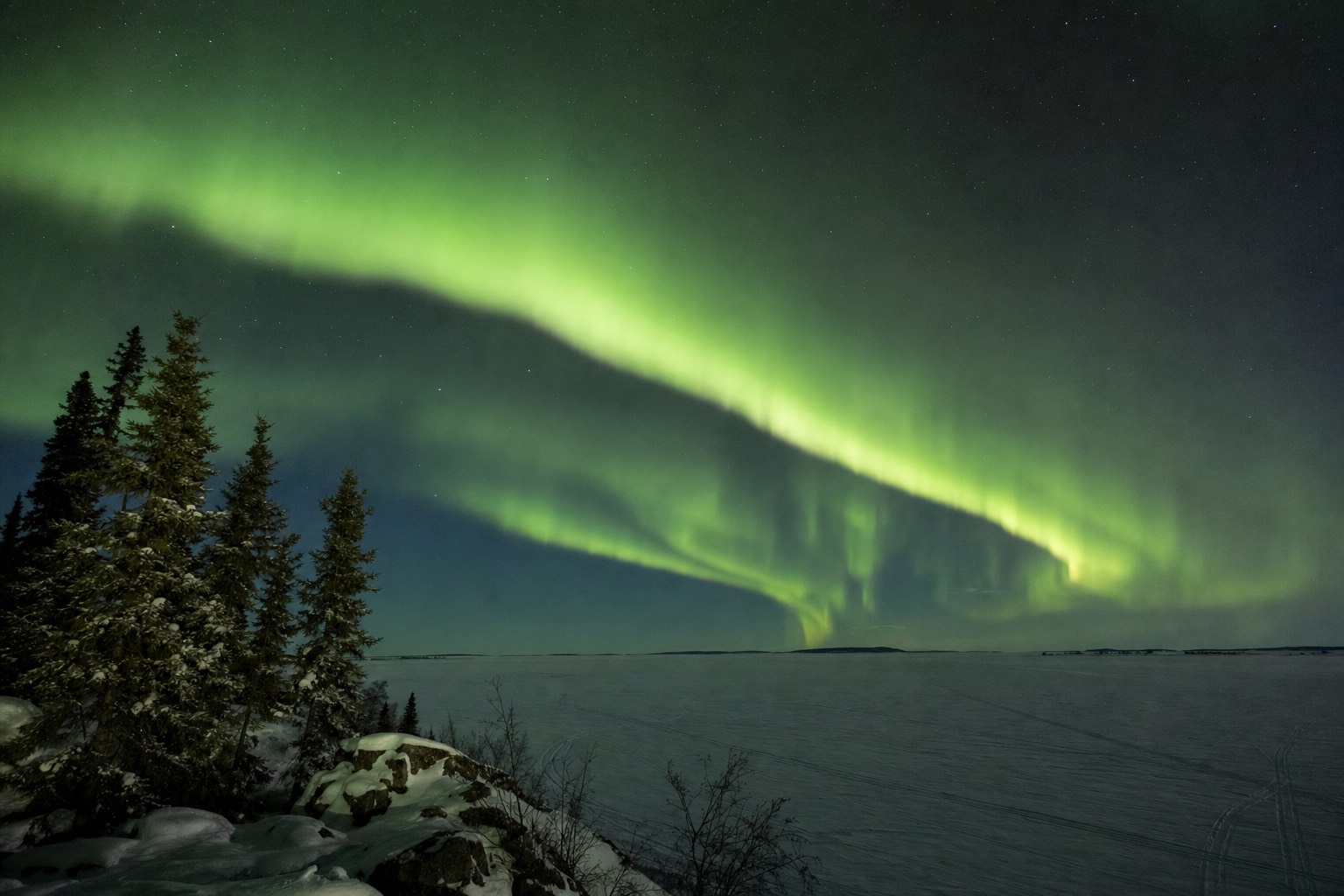
Because geography stacks three advantages: the city sits directly under the auroral oval at about 62.45 degrees north, the interior climate delivers dry air and clear skies, and Great Slave Lake gives flat horizons in every direction. Together they produce aurora on up to 240 nights a year.
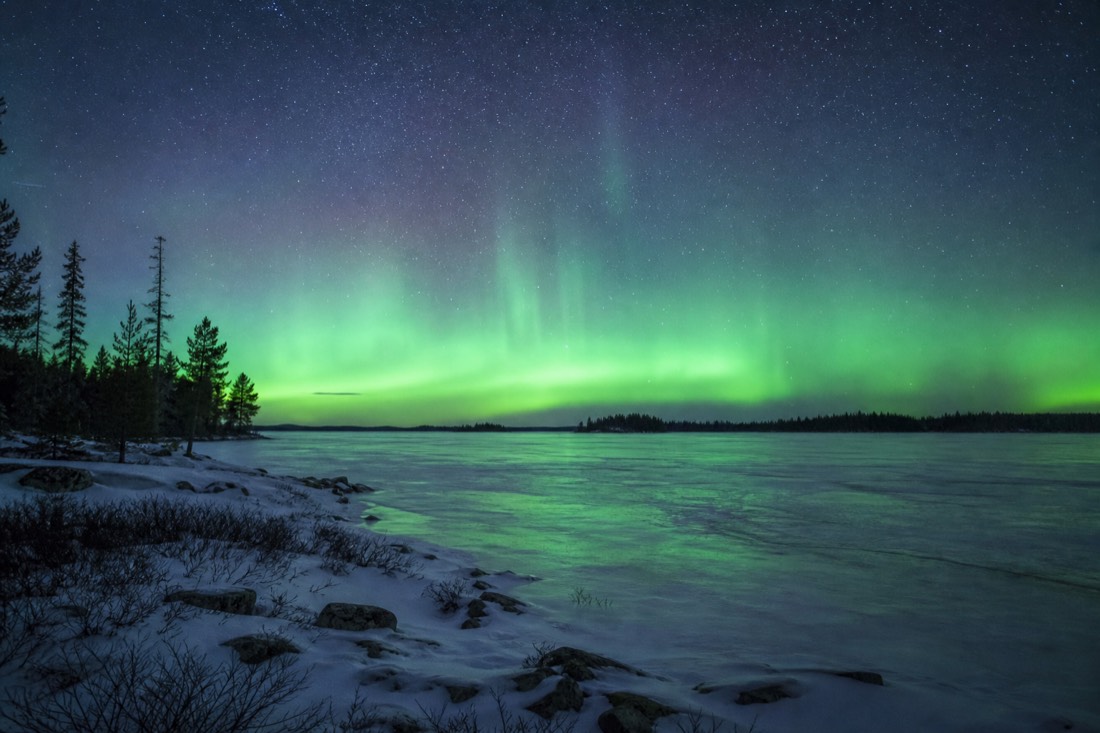
The 240-nights figure comes from the territory's own tourism research, laid out in the northern lights by the numbers, and it is worth understanding why it is not hype. Go too far north, into the high arctic, and you overshoot the oval: aurora frequency drops to roughly 50 nights a year up there. Yellowknife hits the band where the oval sits overhead night after night. Travel media that checked the claim, including Travel + Leisure, reached the same number.
The flat horizon matters more than people expect. Stand on a frozen lake outside town and the sky wraps you from edge to edge, so even a low arc hugging the northern horizon is visible. No mountains block it, and outside the small city there is barely any light pollution. Add the timing right now, with solar cycle 25 just past the peak it most likely reached around October 2024 and still inside its high-activity years, and the odds stack about as well as they ever do. For a deeper look at how those probabilities play out night by night, see your real chances of seeing the lights here.
| Yellowknife fact | Figure | Why it matters |
|---|---|---|
| Nights with possible aurora | Up to 240 per year | The oval passes overhead constantly, not just during storms |
| Odds over a 3-night stay | 98% in season | The standard trip length almost always delivers |
| High-arctic comparison | ~50 nights per year | Farther north is actually worse; the oval is a band, not a pole |
| Activity needed | Low Kp suffices | A real flagship-tour review reports a show on a Kp 0.0 forecast |
| Latitude | ~62.45 N | Under the oval, yet about 400 km south of the Arctic Circle |
| Seasons | Mid-Aug to early Oct, mid-Nov to early Apr | Two distinct windows; none in the midnight-sun months |
What does Iceland offer that Yellowknife honestly cannot?
Daylight, convenience and variety. Iceland is an easy stopover on flights between Europe and North America, and its daytime scenery, the waterfalls, glaciers, black beaches and hot springs, is world class. If the lights never appear, an Iceland trip still delivers. That is its real advantage.
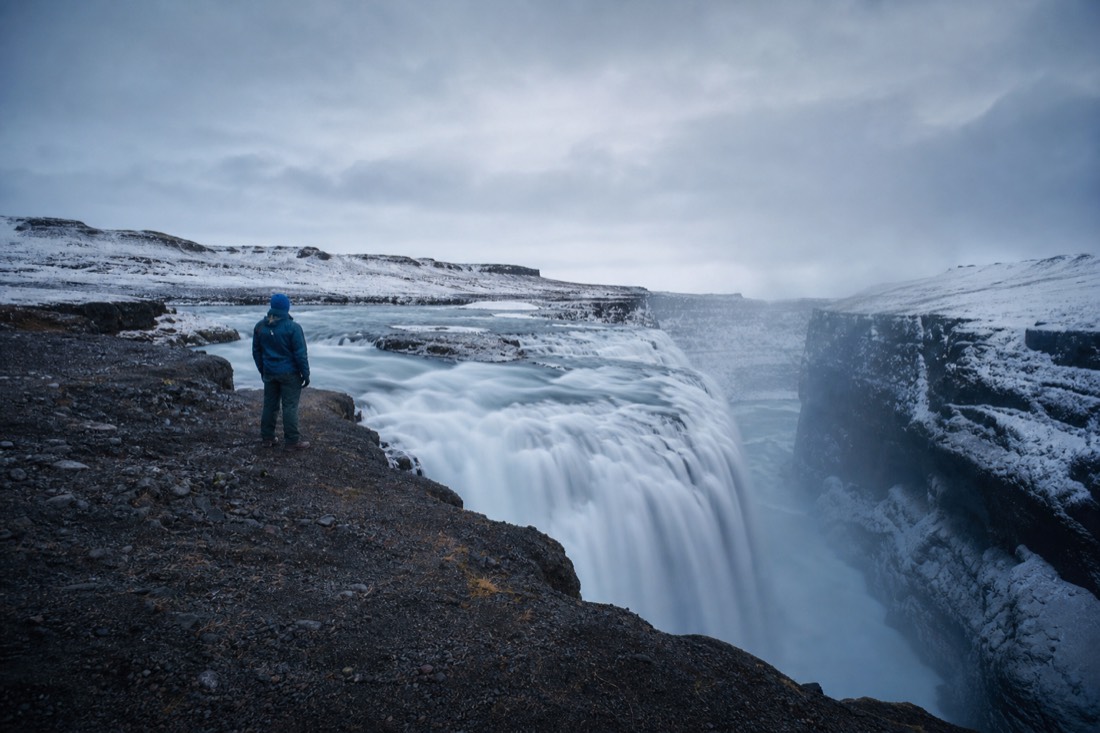
I will not pretend otherwise: nobody flies through Yellowknife on the way to somewhere else. Getting here means a dedicated journey through Edmonton, Calgary or Vancouver, and the full routing is covered in how to get to Yellowknife. Iceland, by contrast, sits right on the great-circle routes across the Atlantic, and turning a layover into a three-day visit is one of travel's easiest upgrades.
Iceland's days are also fuller than ours in a conventional sightseeing sense. Yellowknife's winter magic is real, dog sledding, ice roads, a frozen-lake wilderness, but it is quieter and colder magic. Iceland hands you a rental car and a ring of postcard scenery. What it cannot hand you is a stable sky. Its maritime weather changes fast and clouds over often, and because the country sits toward the southern edge of the oval, a calm sun can mean dark nights even when the sky is clear. An aurora in Iceland is a genuine possibility. It is just not the near-certainty that three nights under the oval provides.
What happens to each trip when the clouds roll in?
Cloud is the real enemy of every aurora trip, and the two destinations handle it very differently. Yellowknife's dry climate makes clear nights the norm, and local hunts drive to gaps in the cloud. Iceland's fast-moving Atlantic weather makes cloud a frequent companion, though its daytime plan B is superb.
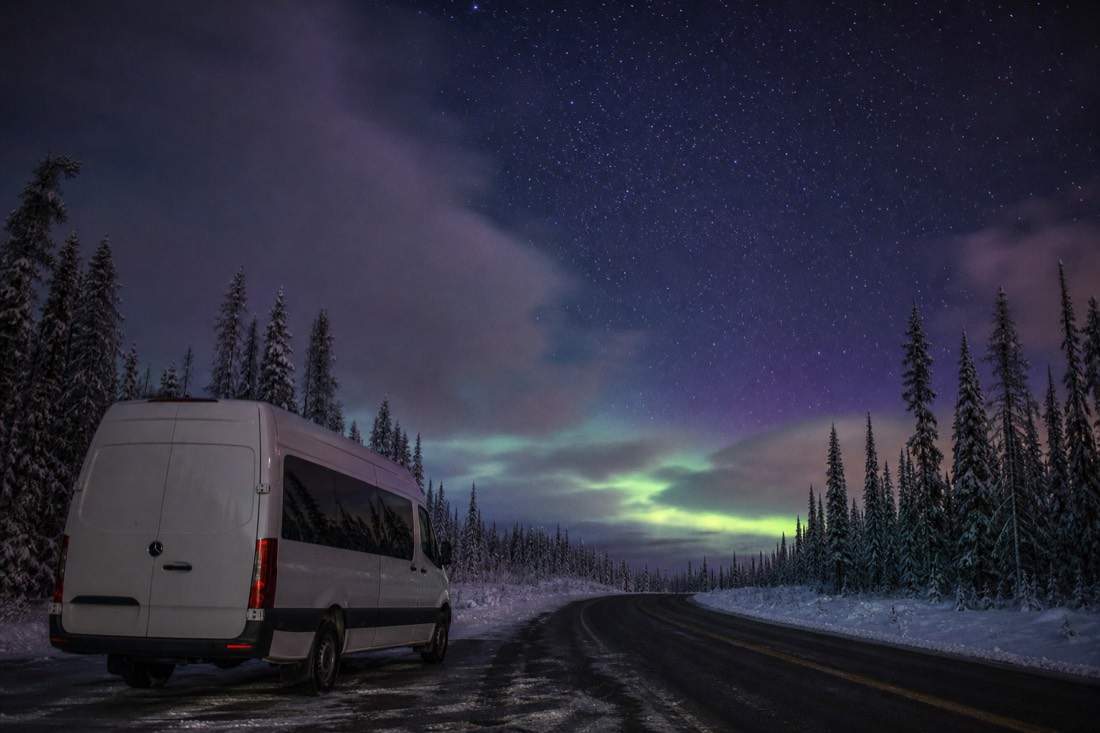
Here is how the common sky scenarios play out in each place. This table is the honest core of the whole comparison.
| Sky scenario | In Yellowknife | In Iceland |
|---|---|---|
| Clear night, quiet sun | Often still a show; the oval is overhead and low Kp suffices | Possible glow, but southern-edge geometry means quiet nights often stay dark |
| Clear night, active sun | Full-sky displays, sometimes overhead coronas | Its best nights, and they can be spectacular |
| Patchy cloud | Hunts drive between viewpoints to find the holes; flat terrain helps | Chasing works too, but weather systems move fast off the Atlantic |
| Full overcast | Rare enough that a 3-night stay usually dodges it (98% figure) | A real and regular risk; the trip falls back on daytime scenery |
| Midnight sun season | No aurora roughly mid-April to late July, about 20 hours of daylight | Bright summer nights limit aurora viewing there too |
The chase itself is the part visitors underestimate. A Yellowknife hunt is not a parked bus. The guides read the cloud, pick among viewpoints along the highway and the lake roads, and move until the sky opens. The northern lights tours page compares every local option, and if your dates are set you can check live availability and prices for the flagship aurora hunt on Viator, the 4.8-rated chase across three viewpoints with a photographer on board.
So which one should you actually book?
Book by trip goal. If seeing the aurora is the point of the journey, come to Yellowknife: the odds, the dark and the dry sky are all here. If you are crossing the Atlantic anyway and want glaciers and hot springs with a chance of lights on top, Iceland is the smarter stopover.
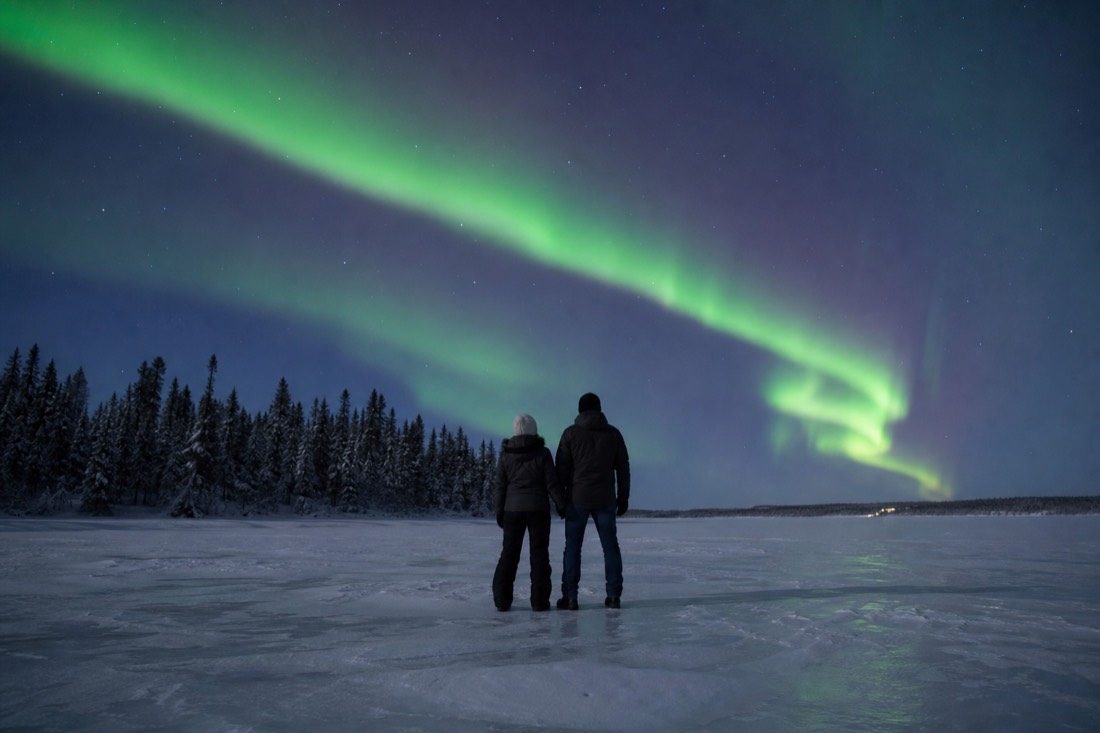
There is no shame in either answer. I would rather send someone to Iceland happy than have them arrive here expecting fjords. Use this table, decide what the trip is for, and commit.
| Your trip goal | Pick | Why |
|---|---|---|
| Aurora is the entire point | Yellowknife | Up to 240 possible nights, 98% over 3 nights, low Kp still delivers |
| Europe-North America routing, aurora as a bonus | Iceland | Easy stopover, unbeatable daytime scenery, lights possible on active nights |
| Photography mission | Yellowknife | Stable clear skies, flat horizons, hunts that chase gaps in cloud |
| One trip, maximum variety of sights | Iceland | Waterfalls, glaciers and hot springs fill every daylight hour |
| Short 3-night window, must see lights | Yellowknife | The 98% figure exists for exactly this trip length |
| Deep-winter atmosphere, dog sleds and ice roads | Yellowknife | The frozen-lake North, lived in rather than staged |
When should you come if Yellowknife wins the coin toss?
Either aurora season works: mid-August to early October brings milder nights with lights over open water, and mid-November to early April brings the longest dark and the deep-winter scene. Avoid roughly mid-April to late July, when the midnight sun erases the show entirely.
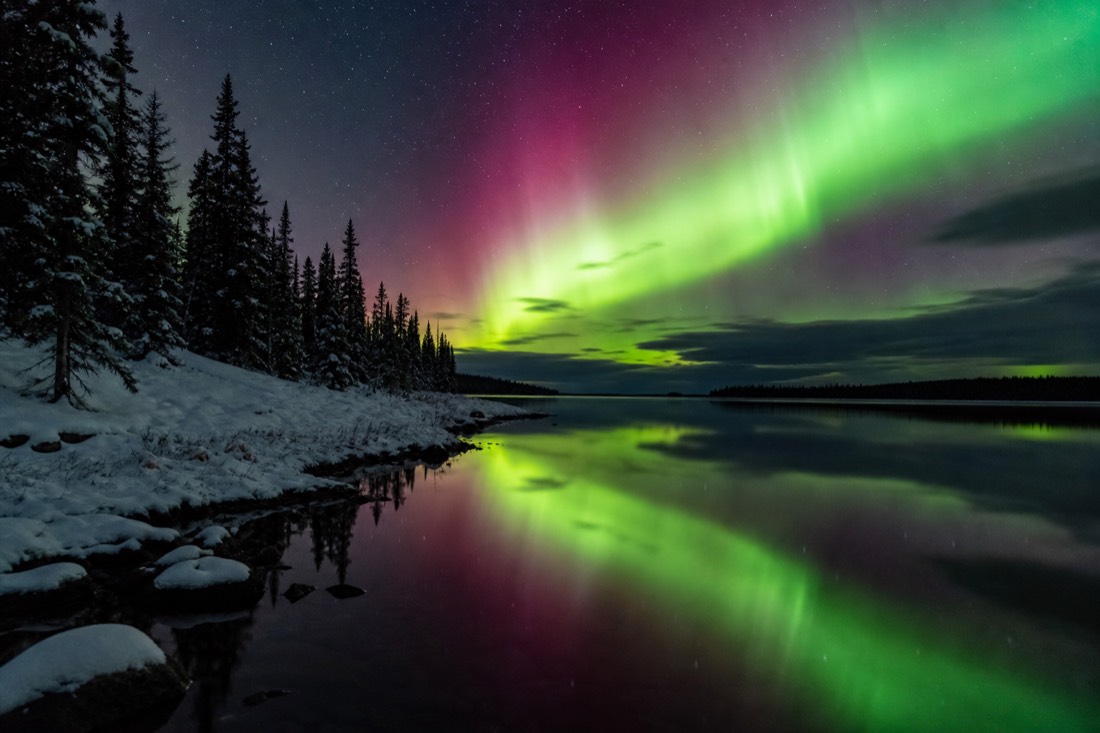
The autumn window surprises people. You do not need brutal cold for the aurora, only darkness and clear sky, and the early season delivers both with lake reflections thrown in. Winter trades comfort for the longest viewing hours and the full northern experience. The month-by-month breakdown lives in the best time to see the northern lights in Yellowknife, and if the budget side of a dedicated trip is what gives you pause, what a Yellowknife trip really costs lays it out without flight-price guesswork.
One last calibration. If you have already ruled Iceland out and are weighing northern destinations against each other, the closer fight is with Alaska, and I wrote up Yellowknife vs Fairbanks for the northern lights for exactly that decision. But if your shortlist really is oval versus stopover, trust the framing above. Come here to see the lights. Go there to see Iceland, and maybe get lucky.